Infrastructure Bill Update: 10 Major Projects Set for Spring 2026
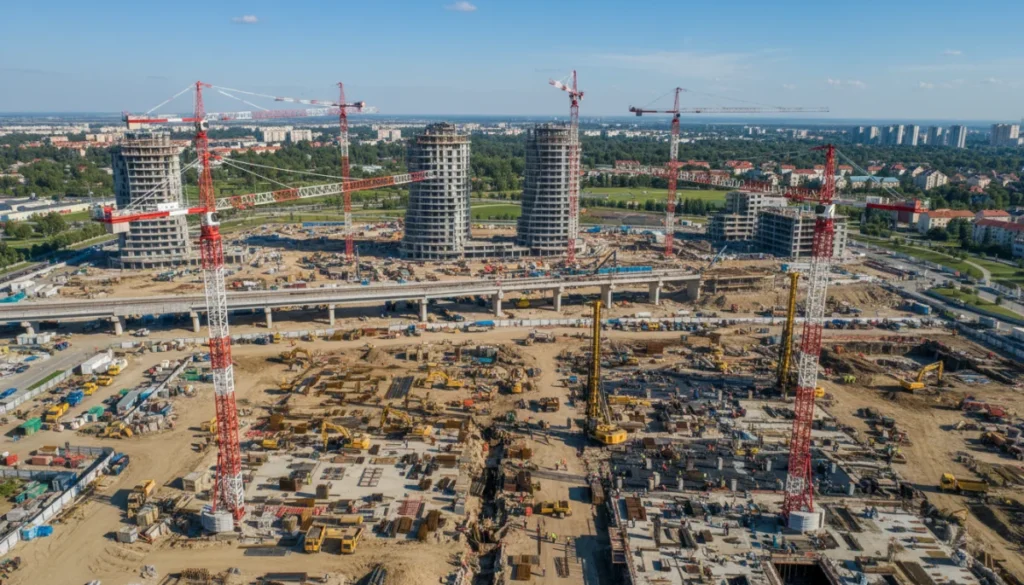
The Infrastructure Bill Update: 10 Major Projects Scheduled to Begin Construction in Spring 2026 outlines significant advancements in American infrastructure development.
The United States is on the cusp of a transformative period in its infrastructure development. The latest Infrastructure Bill Update: 10 Major Projects Scheduled to Begin Construction in Spring 2026 signals a monumental step forward, promising to reshape communities and bolster the national economy. This initiative isn’t just about concrete and steel; it’s about connecting people, fostering economic growth, and building a more resilient future for all Americans. What can we expect from these ambitious undertakings?
Understanding the Infrastructure Investment and Jobs Act
The Infrastructure Investment and Jobs Act (IIJA), signed into law in 2021, represents a historic commitment to upgrading America’s aging infrastructure. This bipartisan bill allocates billions of dollars towards improving roads, bridges, public transit, water pipes, broadband internet, and the electric grid. Its primary goal is to create jobs, stimulate economic growth, and enhance the nation’s competitiveness on a global scale. The long-term vision is to modernize critical systems that underpin daily life and commerce.
The impact of the IIJA extends far beyond immediate construction. It aims to address decades of underinvestment, which has led to deteriorating infrastructure and inefficiencies. By focusing on long-term sustainability and resilience, the act seeks to future-proof American infrastructure against climate change and other emerging challenges. This comprehensive approach ensures that investments are not just reactive but strategic, laying the groundwork for future generations.
Funding mechanisms and allocation
The IIJA utilizes a variety of funding mechanisms, including direct federal spending, grants, and loans, to distribute funds across states and localities. The allocation process is often competitive, encouraging innovative and impactful project proposals. This structured approach ensures that funds are directed to areas with the greatest need and potential for positive change.
- Federal highway programs receive significant boosts for repairs and upgrades.
- Public transit systems are allocated funds for expansion and modernization.
- Water infrastructure projects focus on lead pipe replacement and clean water access.
- Broadband expansion aims to close the digital divide in rural and underserved areas.
Ultimately, the IIJA is more than just a spending package; it is a strategic investment in the nation’s future. Its comprehensive scope and significant funding promise to deliver tangible benefits, from safer roads to cleaner water, for communities across the United States. The upcoming projects beginning in Spring 2026 are a testament to this ongoing commitment.
The Selection Process for Major Infrastructure Projects
Identifying which projects receive funding under the Infrastructure Investment and Jobs Act is a rigorous and multi-faceted process. It involves federal agencies, state departments of transportation, local governments, and various stakeholders working collaboratively. The goal is to ensure that investments are impactful, equitable, and align with national priorities, addressing both immediate needs and long-term strategic goals.
Key criteria for selection often include the project’s economic impact, environmental sustainability, safety enhancements, and the ability to improve connectivity and access for underserved communities. Public-private partnerships are also increasingly playing a role, leveraging private sector expertise and capital to accelerate project delivery and innovation. This collaborative model helps to maximize the return on public investment.
Criteria for project approval
Project proposals undergo extensive review, considering several critical factors before approval. These criteria ensure that only the most viable and beneficial projects move forward, minimizing risks and maximizing public benefit.
- Economic Impact: Projects must demonstrate significant job creation and economic stimulus.
- Community Benefit: Enhancements to quality of life, access to services, and reduced disparities are crucial.
- Environmental Sustainability: Adherence to green building standards and reduction of carbon footprint.
- Technical Feasibility: Detailed engineering plans and realistic timelines are required.
The thoroughness of the selection process is vital to the success of the Infrastructure Bill. It ensures that the funds are allocated effectively, leading to projects that genuinely serve the public interest and contribute to the nation’s progress. This meticulous planning is critical for the infrastructure bill projects scheduled for Spring 2026.
Project 1: High-Speed Rail Corridor Expansion
One of the most anticipated infrastructure bill projects beginning in Spring 2026 is the expansion of a major high-speed rail corridor. This ambitious undertaking aims to connect key metropolitan areas, significantly reducing travel times and offering an environmentally friendly alternative to air and car travel. The project is expected to revolutionize intercity transportation, fostering economic ties between regions and opening up new opportunities for businesses and commuters.
The chosen corridor will feature state-of-the-art rail technology, designed for efficiency, safety, and passenger comfort. This includes advanced signaling systems, dedicated tracks, and modern train sets capable of reaching impressive speeds. The investment in high-speed rail reflects a broader commitment to sustainable transportation solutions that can alleviate congestion on existing infrastructure and reduce carbon emissions.
The benefits of high-speed rail extend beyond just faster travel. It is projected to create thousands of construction jobs and long-term operational positions, providing a significant boost to local economies. Furthermore, by connecting urban centers more effectively, it can stimulate regional development and tourism. This project is a cornerstone of the national infrastructure modernization effort, embodying the transformative potential of the IIJA.
Project 2: Advanced Grid Modernization Initiative
Another critical project slated for Spring 2026 is the Advanced Grid Modernization Initiative. This initiative focuses on upgrading and fortifying the nation’s electric grid, making it more resilient, reliable, and capable of integrating renewable energy sources. The current grid, in many areas, is aging and vulnerable to extreme weather events and cyber threats, leading to frequent outages and inefficiencies. This modernization effort is essential for national security and economic stability.
The project will involve implementing smart grid technologies, such as advanced sensors, automated controls, and enhanced cybersecurity measures. These innovations will enable better management of electricity flow, reduce waste, and allow for a more dynamic response to demand fluctuations. Integrating more renewable energy, like solar and wind power, will be a central component, moving the U.S. towards a cleaner energy future.
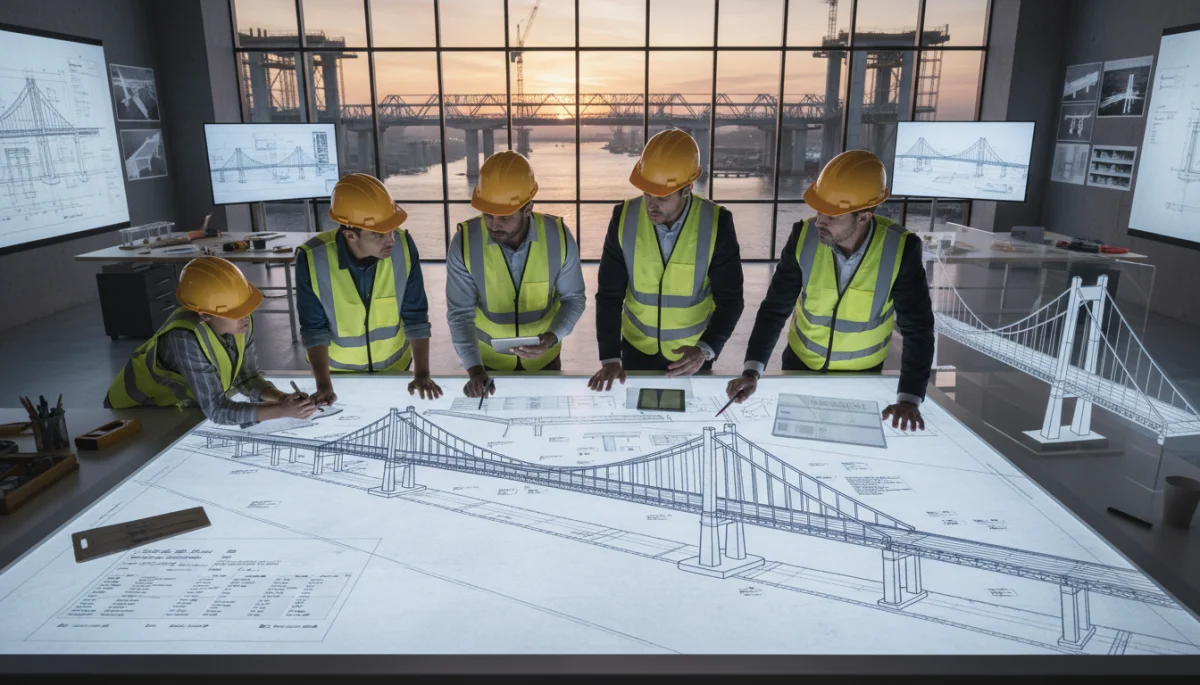
Expected outcomes include a significant reduction in power outages, lower energy costs for consumers, and a substantial decrease in carbon emissions. The modernization of the grid is not just about technology; it’s about building a sustainable and secure energy future for the entire country. This foundational investment highlights the breadth of the infrastructure bill projects.
Project 3: Major Interstate Bridge Replacement Program
The third significant project to commence in Spring 2026 is a comprehensive Interstate Bridge Replacement Program. Across the United States, thousands of bridges are classified as structurally deficient or functionally obsolete, posing safety risks and causing traffic bottlenecks. This program targets several high-priority bridges on major interstate highways, ensuring they are replaced or substantially rehabilitated to meet modern safety and capacity standards.
The replacement program will utilize innovative construction techniques and materials to build more durable and resilient bridges. Emphasis will be placed on designs that can withstand future environmental challenges, such as increased traffic loads and extreme weather conditions. The goal is to not only restore structural integrity but also to improve traffic flow, reducing commute times and enhancing freight movement efficiency.
Local economic benefits and job creation
Bridge replacement projects are significant economic drivers at the local level. They typically involve a large workforce, from engineers and construction workers to material suppliers and logistics personnel. The economic benefits extend beyond the construction phase, as improved infrastructure facilitates commerce and reduces transportation costs for businesses.
- Job Creation: Thousands of skilled and unskilled labor positions.
- Local Business Support: Increased demand for local suppliers and services.
- Reduced Commute Times: Improved traffic flow benefits commuters and businesses.
- Enhanced Safety: Modern bridges reduce accident risks and improve overall road safety.
This program is a critical component of the IIJA’s commitment to public safety and economic vitality. By addressing the urgent need for bridge repair and replacement, the government is investing in the foundational elements of national transportation, ensuring reliability for decades to come. These infrastructure bill projects are vital for everyday travel and commerce.
Project 4: Urban Water Infrastructure Overhaul
Spring 2026 will also see the initiation of a major Urban Water Infrastructure Overhaul project in several key cities. This undertaking aims to replace aging water pipes, upgrade wastewater treatment facilities, and improve stormwater management systems. Many urban areas still rely on infrastructure that is over a century old, leading to frequent pipe bursts, water contamination issues, and inefficient resource management. This overhaul is crucial for public health and environmental protection.
The project will focus on replacing lead service lines to ensure clean drinking water for all residents, a significant public health priority. Additionally, investments in advanced filtration technologies and wastewater treatment plants will help prevent pollution and protect aquatic ecosystems. Stormwater management improvements will mitigate flooding risks, especially in areas vulnerable to increasingly severe weather patterns.
Beyond immediate health and safety benefits, modern water infrastructure contributes to sustainable urban development. Efficient water systems reduce water loss, conserve resources, and support population growth without straining existing supplies. This comprehensive approach to water management is a testament to the IIJA’s commitment to foundational public services and environmental stewardship, making it a cornerstone of the infrastructure bill projects.
Project 5: Rural Broadband Expansion Initiative
The digital divide remains a significant challenge, particularly in rural America. Starting in Spring 2026, the Rural Broadband Expansion Initiative will tackle this issue head-on, aiming to bring high-speed internet access to millions of unserved and underserved households. This project recognizes that reliable internet is no longer a luxury but a necessity for education, healthcare, economic opportunity, and civic engagement in the 21st century.
The initiative will involve deploying fiber optic cables and other advanced broadband technologies to remote and difficult-to-reach areas. Partnerships with local internet service providers and community organizations will be essential to ensure equitable access and affordable service options. The goal is to create a robust and resilient broadband network that can support future technological advancements and meet the growing demands of digital life.
Impact on education and telemedicine
The expansion of rural broadband will have a transformative impact on several key sectors, particularly education and healthcare. Students in rural areas will gain access to online learning resources, bridging the gap with their urban counterparts. Telemedicine services will become more accessible, allowing residents to consult with specialists and receive care without extensive travel, improving health outcomes in underserved communities.
- Enhanced Learning Opportunities: Access to online courses and educational platforms.
- Improved Healthcare Access: Telemedicine reduces barriers to medical care.
- Economic Development: Attracts businesses and supports remote work opportunities.
- Social Inclusion: Connects rural residents to broader social and economic networks.
This initiative is a powerful example of how infrastructure investment can directly improve quality of life and foster inclusive growth. By ensuring that all Americans have access to high-speed internet, the IIJA is building a more equitable and connected nation, making it one of the most impactful infrastructure bill projects.
Projects 6-10: Diverse Regional Initiatives
In addition to the large-scale national projects, Spring 2026 will also mark the beginning of several diverse regional initiatives, each tailored to address specific needs and opportunities within their respective areas. These projects demonstrate the flexibility and localized impact of the Infrastructure Investment and Jobs Act, ensuring that funding reaches a wide array of communities across the United States. From port modernizations to climate resilience efforts, these initiatives are designed to deliver targeted benefits.
Among these are projects focusing on port and waterway improvements, crucial for facilitating international trade and strengthening supply chains. Other initiatives include significant investments in public transportation upgrades, such as new bus rapid transit lines and subway extensions, aimed at reducing traffic congestion and improving air quality in urban centers. These regional projects are often the result of extensive local planning and community input.
Furthermore, several projects will concentrate on climate resilience, including the construction of seawalls and levees in coastal areas, as well as wildfire prevention and mitigation efforts in drought-prone regions. These investments are vital for protecting communities from the increasing impacts of climate change. Each of these regional undertakings, while smaller in scope than national programs, collectively contributes to the overall resilience and prosperity of the nation, reinforcing the broad reach of the infrastructure bill projects.
| Key Project Area | Brief Description |
|---|---|
| High-Speed Rail | Connecting major cities, reducing travel times, and promoting sustainable transport. |
| Grid Modernization | Upgrading the electric grid for resilience, reliability, and renewable energy integration. |
| Bridge Replacement | Replacing and rehabilitating deficient bridges on interstate highways for safety and efficiency. |
| Rural Broadband | Expanding high-speed internet access to unserved and underserved rural communities. |
Frequently Asked Questions About Infrastructure Projects
The primary goal is to modernize America’s aging infrastructure, including roads, bridges, public transit, water systems, broadband, and the electric grid. It aims to create jobs, stimulate economic growth, and enhance the nation’s long-term competitiveness and resilience against future challenges.
Projects are selected through a rigorous process involving federal, state, and local entities. Criteria include economic impact, environmental sustainability, safety improvements, and the ability to improve connectivity, ensuring impactful and equitable distribution of funds.
The High-Speed Rail Corridor Expansion is expected to significantly reduce travel times between major cities, offer an environmentally friendly transportation alternative, create numerous jobs, and stimulate economic growth in connected regions.
This initiative will lead to a more resilient and reliable electric grid, resulting in fewer power outages, potentially lower energy costs, and a greater integration of clean energy sources, improving energy security and environmental quality.
It’s crucial for bridging the digital divide, providing high-speed internet access to underserved rural areas. This access is vital for education, healthcare (telemedicine), economic development, and ensuring social inclusion for millions of Americans.
Conclusion
The Infrastructure Bill Update: 10 Major Projects Scheduled to Begin Construction in Spring 2026 marks a pivotal moment for the United States. These ambitious initiatives, ranging from high-speed rail and grid modernization to bridge replacements and rural broadband expansion, collectively represent a profound investment in the nation’s future. They promise not only to revitalize physical infrastructure but also to stimulate economic growth, create jobs, and enhance the quality of life for communities across the country. As Spring 2026 approaches, the anticipation for these transformative projects grows, signaling a new era of progress and resilience for America.
