2026 U.S. National Park Updates: Essential Traveler’s Guide
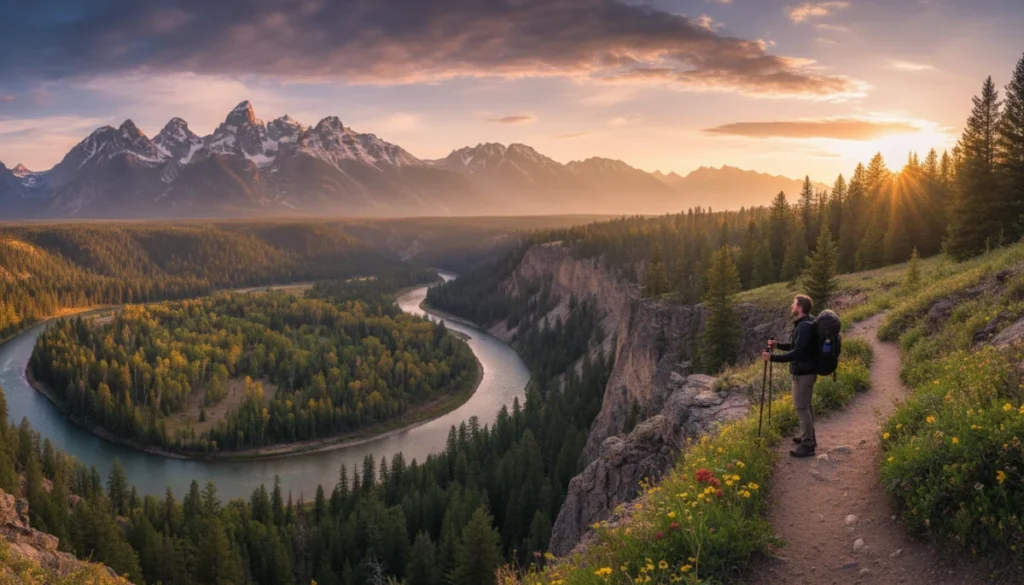
Understanding 2026 U.S. National Park updates is essential for planning seamless and sustainable visits amidst evolving access, reservation, and conservation strategies.
For enthusiasts of America’s breathtaking natural wonders, staying informed about The Latest 2026 U.S. National Park Updates: What Travelers Need to Know Now is paramount. As we look ahead, the National Park Service continues to refine its strategies to enhance visitor experiences while steadfastly protecting these invaluable landscapes. This comprehensive guide will navigate you through the most significant changes, ensuring your next adventure is both memorable and responsible.
Navigating New Reservation Systems and Timed Entry Protocols
The increasing popularity of U.S. National Parks has led to necessary adjustments in how visitors access certain areas. Many parks are implementing or expanding timed entry and reservation systems for 2026 to manage congestion, protect fragile ecosystems, and ensure a higher quality experience for everyone. Understanding these changes before you go is crucial for a smooth visit.
These systems are designed to distribute visitors more evenly throughout the day and across different park zones, reducing pressure on popular trailheads and viewpoints. For example, parks like Zion, Arches, and Glacier have successfully utilized variations of these systems in previous years, and 2026 will see further refinements and potentially new additions to this list.
Understanding Timed Entry Permits
Timed entry permits often apply to specific scenic drives, trailheads, or even entire park entrances during peak seasons. These permits typically need to be secured weeks or even months in advance. Failure to obtain one can result in denied entry, even if you have a park pass.
- Check Park Websites Early: Always consult the official National Park Service website for each park you plan to visit.
- Know Release Dates: Permits are often released in batches, sometimes 2-3 months out, and then a smaller number closer to the visit date.
- Prepare Alternatives: If you can’t secure a permit for your desired time, research alternative entry periods or less-visited areas within the park.
Beyond timed entry, some popular activities, such as specific hikes or backcountry camping, require separate permits. The goal is to balance access with preservation, allowing visitors to enjoy the parks without overwhelming their natural capacity. Being proactive in your planning will save you considerable frustration and ensure you make the most of your time in these protected areas.
In conclusion, the evolution of reservation systems and timed entry protocols reflects a commitment to sustainable tourism. Travelers must prioritize early research and booking to secure their desired access, ensuring a more enjoyable and less crowded experience within these cherished national treasures.
Key Infrastructure Improvements and Development Projects
Beyond access protocols, the National Park Service is continually investing in infrastructure improvements to enhance visitor safety, accessibility, and overall experience. For 2026, several significant development projects are underway or planned across various parks, ranging from road repairs to new visitor centers and enhanced digital services.
These projects are often funded through a combination of federal appropriations, philanthropic donations, and visitor fees. The aim is to modernize aging facilities, improve connectivity, and ensure the parks can accommodate the growing number of visitors while minimizing environmental impact.
Modernizing Visitor Facilities
Many parks are seeing upgrades to their visitor centers, campgrounds, and trail systems. These improvements can include:
- Updated interpretive exhibits offering more engaging educational content.
- Enhanced accessibility features for visitors with disabilities, such as paved paths and accessible restrooms.
- Improved Wi-Fi and cellular service in designated areas, balancing connectivity with the desire for disconnection.
Road and bridge repairs are also a constant focus, particularly in parks with challenging terrain or extreme weather conditions. These projects are vital for maintaining safe travel routes and preventing closures due to deteriorating infrastructure. Travelers should always check for road conditions and construction alerts before heading out.
Furthermore, some parks are investing in sustainable energy solutions, such as solar panels for visitor centers and electric vehicle charging stations, aligning with broader environmental goals. These developments not only improve the visitor experience but also demonstrate a commitment to reducing the carbon footprint of park operations.
In summary, ongoing infrastructure improvements are vital for the long-term health and accessibility of our national parks. Travelers should be aware of potential construction-related delays or temporary closures and appreciate the efforts being made to enhance their future visits.
New Park Designations, Boundary Adjustments, and Wilderness Expansions
The landscape of U.S. National Parks is not static; it evolves through new designations, boundary adjustments, and wilderness expansions. For 2026, there are several noteworthy developments that could introduce new areas for exploration or alter the scope of existing parks. These changes are often the result of years of conservation efforts, legislative action, and community engagement.
New designations might include the elevation of national monuments to national parks, or the creation of entirely new protected areas. These expansions provide crucial habitat for wildlife, protect significant cultural sites, and offer fresh opportunities for recreation and scientific study.
For instance, discussions around new designations often involve areas rich in biodiversity or unique geological features that warrant the highest level of federal protection. These new additions expand the overall footprint of public lands available for conservation and enjoyment.
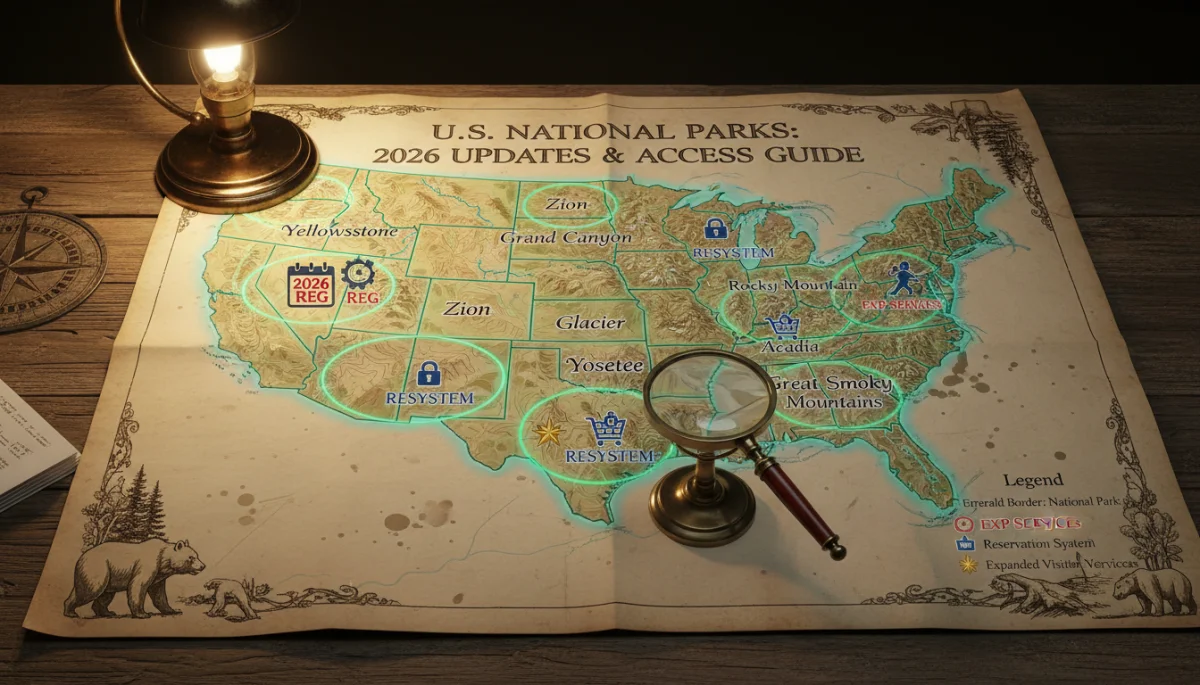
Boundary adjustments, while less dramatic than new designations, can significantly impact local communities and visitor access. These changes might involve adding adjacent lands to a park to better protect a watershed or wildlife corridor, or in some rare cases, adjusting boundaries for other land management purposes.
Wilderness Area Expansions
The designation of new wilderness areas within existing parks is a critical conservation tool. Wilderness areas are afforded the highest level of protection, with minimal human intervention and strict regulations on development and motorized access. These expansions ensure that pristine natural environments remain untouched for future generations.
- Increased Protection: Wilderness status safeguards sensitive ecosystems and critical habitats.
- Primitive Recreation: Offers opportunities for backcountry hiking, camping, and solitude away from developed areas.
- Long-Term Conservation: Ensures that these areas remain wild and untrammeled.
Travelers interested in exploring these newly protected or expanded areas should be prepared for more primitive conditions and adhere to Leave No Trace principles strictly. These efforts collectively contribute to the enduring legacy of the National Park System, ensuring its vitality and relevance for centuries to come.
In conclusion, the dynamic nature of park designations and boundary adjustments in 2026 underscores an ongoing commitment to conservation. These changes offer exciting new possibilities for exploration while reinforcing the protective mission of the National Park Service.
Enhancements in Digital Tools and Visitor Information
The National Park Service is continually leveraging technology to improve visitor planning and on-site experiences. For 2026, expect significant enhancements in digital tools and visitor information platforms, making it easier than ever to plan your trip, navigate parks, and stay informed about crucial updates.
These digital advancements aim to streamline the planning process, provide real-time information, and reduce the need for physical brochures and maps, contributing to a more sustainable operation. From updated mobile apps to interactive online maps and virtual tours, technology is reshaping how we interact with our national parks.
Improved Mobile Applications
Many parks now offer official mobile apps that provide a wealth of information at your fingertips. These apps are being updated for 2026 to include:
- Offline Maps: Essential for areas with limited or no cellular service.
- Real-Time Alerts: Notifications about trail closures, weather warnings, and wildlife sightings.
- Interactive Features: GPS-enabled trail guides, audio tours, and points of interest.
The goal is to create a seamless digital experience that complements, rather than detracts from, the natural environment. These apps can help visitors discover hidden gems, understand the local ecology, and stay safe during their adventures. Furthermore, updated park websites will feature more intuitive interfaces and comprehensive planning resources.
Online reservation portals are also becoming more user-friendly, providing clearer instructions and better availability tracking for timed entry permits and camping spots. This digital transformation is vital for managing visitor flow and providing timely information in an era of increasing park visitation.
Ultimately, the enhancements in digital tools and visitor information for 2026 are designed to empower travelers with the knowledge they need for a safe, enjoyable, and well-informed national park experience. Embracing these resources will be key to successful park exploration.
Conservation Initiatives and Environmental Stewardship in 2026
At the heart of the National Park Service’s mission is conservation and environmental stewardship. For 2026, parks are doubling down on initiatives to combat climate change, protect biodiversity, and promote sustainable practices among visitors. These efforts are more critical than ever as parks face increasing environmental pressures.
These initiatives encompass a wide range of activities, from large-scale ecosystem restoration projects to educational programs aimed at fostering a culture of environmental responsibility. The focus is not just on preserving what exists but actively restoring degraded habitats and mitigating future threats.
Addressing Climate Change Impacts
Many parks are at the forefront of climate change research and adaptation. Initiatives for 2026 include:
- Water Conservation: Implementing efficient irrigation systems and promoting responsible water use by visitors.
- Renewable Energy: Transitioning park operations to solar, wind, and other clean energy sources.
- Species Protection: Programs to monitor and protect vulnerable species affected by changing climates, such as migrating birds and sensitive marine life.
Beyond these large-scale efforts, parks are actively promoting the Leave No Trace principles, encouraging visitors to minimize their impact on the environment. This includes proper waste disposal, staying on designated trails, and respecting wildlife. Educational programs for all ages are also being expanded to raise awareness about these critical issues.
Volunteering opportunities are also a significant part of conservation efforts, allowing visitors to directly contribute to trail maintenance, invasive species removal, and habitat restoration. These hands-on experiences deepen the connection between people and the parks they visit.
In conclusion, the conservation initiatives and environmental stewardship efforts in 2026 highlight the National Park Service’s unwavering commitment to protecting these natural treasures. Travelers play a vital role in these efforts by adhering to sustainable practices and supporting park initiatives.
New Visitor Guidelines and Safety Protocols
As visitor numbers continue to grow and environmental challenges evolve, the National Park Service is also updating visitor guidelines and safety protocols for 2026. These updates are designed to ensure the well-being of both visitors and the natural resources, promoting responsible recreation within park boundaries.
These guidelines often cover a range of topics, including wildlife encounters, trail etiquette, and emergency preparedness. Staying informed about these protocols is not just about compliance; it’s about ensuring a safe and respectful experience for everyone, and for the wildlife that calls these parks home.
Updated Wildlife Interaction Guidance
With more people visiting parks, encounters with wildlife are becoming more frequent. New guidelines emphasize:
- Maintaining Safe Distances: Crucial for both visitor safety and animal welfare.
- Never Feeding Animals: This can alter their natural behaviors and lead to aggressive encounters.
- Proper Food Storage: To prevent attracting wildlife to campsites and picnic areas.
Trail etiquette is another area of focus, particularly with the rise of diverse recreational activities like mountain biking and horseback riding sharing trails with hikers. Guidelines promote respectful sharing of trails, yielding to uphill traffic, and communicating intentions clearly.
Emergency preparedness is also being reinforced, with clearer signage, updated park ranger communications, and enhanced search and rescue capabilities. Visitors are encouraged to carry essential safety gear, inform others of their plans, and be aware of their physical limits.
The introduction of new safety protocols also includes advisories regarding changing environmental conditions, such as increased fire danger in arid regions or flash flood risks in canyons. Park websites and visitor centers provide real-time updates on these conditions.
Ultimately, understanding and adhering to the updated visitor guidelines and safety protocols for 2026 is a shared responsibility. These measures are in place to protect the parks and ensure a safe and enjoyable experience for all who visit.
Preparing for Your 2026 National Park Adventure
With all the exciting changes and updates for 2026, proper preparation is more important than ever for a rewarding national park adventure. A well-planned trip not only enhances your experience but also contributes to the sustainable management of these precious resources. From booking accommodations to packing the right gear, every detail matters.
Effective planning involves a multi-faceted approach, combining early research with flexible thinking. The dynamic nature of park operations means that being adaptable to last-minute changes, such as weather closures or temporary permit adjustments, is a valuable trait for any park visitor.
Essential Planning Steps
To ensure a seamless visit, consider these key steps:
- Research Thoroughly: Utilize official park websites and the NPS app for the most current information on closures, alerts, and permit requirements.
- Book Early: Secure accommodations and any necessary permits well in advance, especially for popular parks and peak seasons.
- Pack Smart: Bring appropriate gear for the season and activities, including layers of clothing, plenty of water, navigation tools, and a first-aid kit.
Consider the time of year you plan to visit, as conditions and crowd levels can vary dramatically. Off-season travel often offers a more serene experience, though some facilities or roads might be closed. Always have a backup plan in case your primary destination or activity is unavailable.
Engaging with park rangers upon arrival is also highly recommended. They are invaluable sources of information on current conditions, trail recommendations, and any immediate changes you should be aware of. Their insights can significantly enhance your understanding and enjoyment of the park.
Finally, embrace the spirit of responsible tourism. Practice Leave No Trace principles, respect wildlife, and be a courteous visitor. Your actions contribute to the preservation of these magnificent landscapes for future generations.
In conclusion, preparing for your 2026 national park adventure requires diligence and a commitment to responsible travel. By staying informed and planning ahead, you can ensure a fulfilling and impactful experience in America’s natural wonders.
| Key Update Area | Brief Description of 2026 Changes |
|---|---|
| Reservation Systems | Expanded timed entry and permit requirements for popular parks and specific activities to manage visitor flow. |
| Infrastructure | Ongoing improvements to roads, visitor centers, and trails; focus on accessibility and sustainable solutions. |
| Conservation Efforts | Increased focus on climate change adaptation, biodiversity protection, and sustainable visitor practices. |
| Digital Tools | Enhanced mobile apps and online platforms offering offline maps, real-time alerts, and improved planning resources. |
Frequently Asked Questions About 2026 U.S. National Park Updates
The most significant changes for 2026 include expanded timed entry and reservation systems for popular parks, ongoing infrastructure improvements, new conservation initiatives, and enhanced digital planning tools. These updates aim to improve visitor experience while protecting natural resources.
To check for timed entry requirements, always visit the official National Park Service website for the specific park you plan to visit. Their individual park pages will have the most current information on reservation systems, permit release dates, and access protocols for 2026.
While specific new national park designations are not finalized, discussions around boundary adjustments and wilderness area expansions are ongoing. Travelers should monitor NPS announcements for potential new areas or changes to existing park boundaries that could offer new exploration opportunities.
For 2026, expect updated official NPS mobile apps with enhanced offline maps, real-time alerts for conditions and closures, and interactive features like GPS-enabled trail guides. Park websites are also being improved for better user experience and comprehensive planning resources.
Visitors can contribute to conservation by strictly adhering to Leave No Trace principles, maintaining safe distances from wildlife, properly disposing of waste, and staying on marked trails. Additionally, supporting park initiatives through donations or volunteering can make a significant impact.
Conclusion
Staying abreast of The Latest 2026 U.S. National Park Updates: What Travelers Need to Know Now is not merely a recommendation but a necessity for any responsible and informed traveler. The evolving landscape of reservations, infrastructure, conservation, and digital tools underscores the National Park Service’s commitment to both visitor experience and environmental stewardship. By embracing these changes and planning proactively, you can ensure your 2026 national park adventures are not only unforgettable but also contribute positively to the preservation of these irreplaceable American treasures. Your journey into nature’s grandeur will be richer and more sustainable with careful consideration of these vital updates.
