Unlocking Your Best Self: Top 3 Wellness Routines for 2026

Early 2026 introduces three innovative wellness routines focusing on holistic health, personalized well-being, and sustainable practices for a better self.
As we navigate the complexities of modern life, the pursuit of holistic well-being becomes paramount. In early 2026, we are witnessing the emergence of exciting and transformative approaches designed for new wellness routines, promising to redefine how we achieve our best selves. These routines move beyond fleeting fads, offering sustainable paths to physical, mental, and emotional balance.
The Rise of Bio-Individualized Nutrition
The concept of bio-individualized nutrition is rapidly gaining momentum, moving away from one-size-fits-all dietary advice to highly personalized eating plans. This approach recognizes that each person’s genetic makeup, lifestyle, microbiome, and health goals are unique, demanding a tailored strategy for optimal health.
At its core, bio-individualized nutrition leverages advanced diagnostics and data analytics to craft dietary recommendations. It’s not just about what you eat, but how your body specifically processes and utilizes those nutrients. This level of personalization can lead to significant improvements in energy levels, digestion, mood, and overall vitality.
Understanding Your Unique Nutritional Needs
Understanding your unique nutritional needs begins with a comprehensive assessment. This often involves a combination of traditional and cutting-edge tests to paint a complete picture of your internal landscape.
- Genetic Testing: Analyzes specific genes related to nutrient absorption, metabolism, and food sensitivities.
- Microbiome Analysis: Provides insights into the balance of bacteria in your gut, crucial for digestion and immunity.
- Metabolic Panels: Measures how your body processes energy, sugars, and fats.
Once this data is collected, nutritionists and health practitioners can develop a highly specific eating plan that targets your individual requirements, addressing deficiencies and optimizing nutrient intake. This precision helps in preventing chronic diseases and enhancing athletic performance.
Integrating Technology for Personalized Plans
Technology plays a crucial role in the implementation of bio-individualized nutrition. Wearable devices and specialized apps help track food intake, monitor biometric data, and provide real-time feedback on how different foods affect your body. This continuous feedback loop allows for dynamic adjustments to your diet, ensuring it remains effective as your body changes.
Moreover, AI-powered platforms are emerging that can synthesize complex biological data and provide actionable dietary recommendations. These tools empower individuals to take a more active role in managing their health, moving beyond generic health advice to truly personalized solutions. The goal is to create a sustainable eating pattern that supports long-term well-being and prevents diet fatigue.
In conclusion, bio-individualized nutrition represents a significant leap forward in wellness. By focusing on the unique needs of each individual, it offers a powerful pathway to optimizing health, enhancing vitality, and fostering a deeper connection with one’s body. This routine is proving to be a cornerstone of the new wellness routines gaining traction.
The Emergence of Digital Detox & Nature Immersion
In an increasingly connected world, the concept of a digital detox combined with nature immersion is becoming a vital wellness routine. This practice emphasizes disconnecting from screens and reconnecting with the natural environment to reduce stress, improve mental clarity, and enhance overall well-being. It’s a deliberate effort to counteract the pervasive influence of technology on our daily lives.
The constant barrage of notifications, emails, and social media updates can lead to cognitive overload and chronic stress. By intentionally stepping away from digital devices, individuals can create space for mental rest and rejuvenation. Pairing this with time spent in nature amplifies the benefits, drawing on the restorative power of the natural world.
Strategies for Effective Digital Detox
An effective digital detox requires intentional planning and commitment. It’s not about abandoning technology entirely, but rather creating healthy boundaries and mindful usage patterns. Starting small can make the transition easier and more sustainable.
- Scheduled Disconnects: Designate specific times each day or week to be completely screen-free.
- Notification Management: Turn off non-essential notifications to reduce interruptions and distractions.
- Tech-Free Zones: Establish areas in your home, like the bedroom or dining table, as no-phone zones.
These strategies help to gradually reduce dependence on digital devices, fostering a greater sense of presence and mindfulness in daily activities. The goal is to regain control over your attention and energy, rather than letting technology dictate it.
Reconnecting Through Nature Immersion
Nature immersion, often referred to as ‘forest bathing’ or ‘shinrin-yoku,’ involves mindfully spending time in natural environments. This practice has been shown to lower blood pressure, reduce stress hormones, and boost immune function. It’s about engaging all your senses with the natural world. 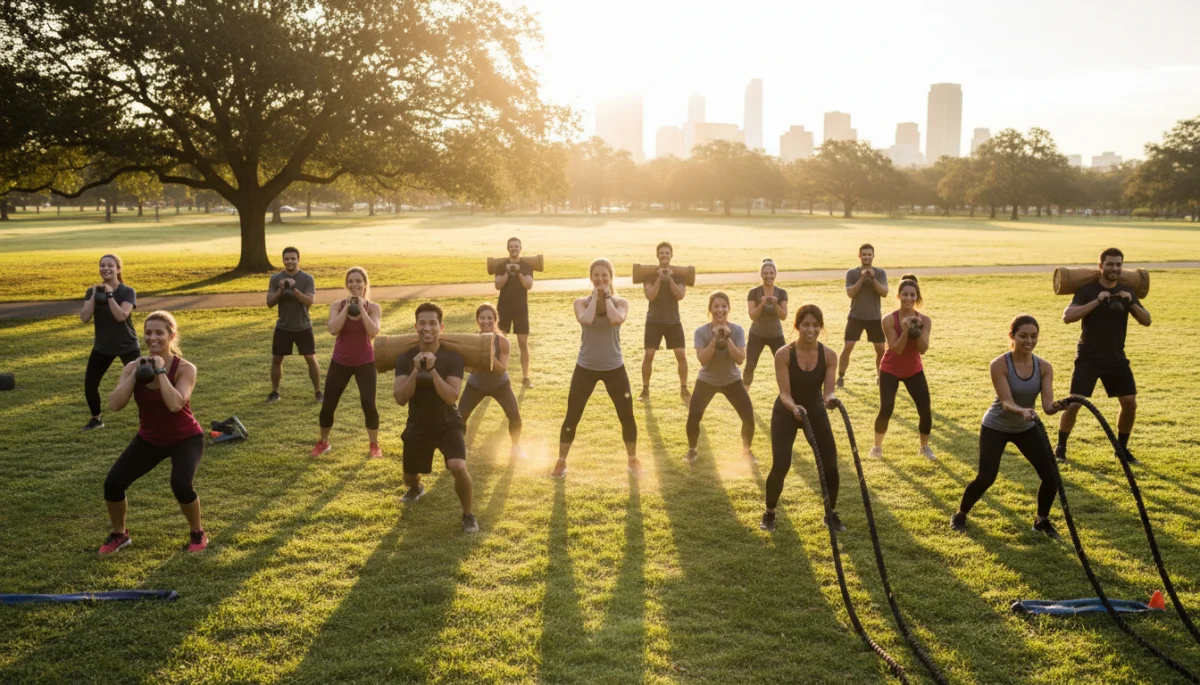
Combine these two powerful practices, and you unlock a potent pathway to enhanced well-being. The digital detox frees your mind, while nature immersion replenishes your spirit. This synergy is a cornerstone of the new wellness routines that are proving incredibly effective for managing modern stressors.
Ultimately, embracing digital detox and nature immersion is about finding balance in a hyper-connected world. It encourages a deeper connection with oneself and the environment, leading to reduced stress, improved focus, and a greater appreciation for the simple joys of life.
The Power of Adaptive Movement Practices
Adaptive movement practices represent a paradigm shift in how we approach physical fitness, moving away from rigid routines to personalized, intuitive, and body-responsive exercise. This routine emphasizes listening to your body’s signals, adapting workouts to your current energy levels, and focusing on functional movements that support daily life rather than just intense performance.
Traditional fitness models often push individuals to conform to high-intensity, one-size-fits-all programs, which can lead to burnout, injury, or disengagement. Adaptive movement, conversely, promotes sustainable engagement by making exercise enjoyable and responsive to individual needs, fostering a healthier, long-term relationship with physical activity.
Key Principles of Adaptive Movement
Adaptive movement is built upon several core principles that prioritize individual well-being and long-term sustainability. These principles guide individuals in developing a more intuitive and effective approach to physical activity.
- Body Awareness: Cultivating a deep understanding of your body’s capabilities, limitations, and daily fluctuations.
- Intuitive Exercise: Choosing activities based on how your body feels, rather than external pressures or rigid schedules.
- Functional Movement: Focusing on exercises that improve strength, flexibility, and balance for everyday tasks.
By integrating these principles, individuals can create a movement practice that truly supports their overall health and lifestyle. It’s about moving with purpose and pleasure, rather than solely for performance metrics.
Incorporating Mindfulness into Movement
A crucial aspect of adaptive movement is the integration of mindfulness. This means being fully present during exercise, noticing sensations, breath, and movement patterns without judgment. Mindfulness enhances the physical benefits of exercise and also provides significant mental and emotional advantages.
Mindful movement can take many forms, from yoga and Pilates to mindful walking or even strength training with focused attention. The goal is to connect the mind and body, transforming exercise from a chore into a meditative and enjoyable experience. This approach helps to reduce stress, improve focus, and foster a greater sense of self-acceptance.
Embracing adaptive movement practices means recognizing that your body is constantly changing, and your fitness routine should evolve with it. This flexible, intuitive approach ensures that exercise remains a source of joy and vitality, contributing significantly to the array of new wellness routines capturing attention in 2026.
The Growth of Regenerative Sleep Practices
Regenerative sleep practices are emerging as a cornerstone of modern wellness, recognizing that quality sleep is not merely a passive state but an active process crucial for physical repair, mental restoration, and emotional regulation. This routine goes beyond simply aiming for eight hours of sleep; it focuses on optimizing the entire sleep environment and individual habits to achieve deep, restorative rest.
In a society often plagued by sleep deprivation, understanding and implementing regenerative sleep strategies can dramatically improve overall health, cognitive function, and resilience. It’s about creating an intentional approach to sleep that prioritizes its profound impact on every aspect of our lives.
Optimizing Your Sleep Environment
Creating an optimal sleep environment is fundamental to regenerative sleep. Every element of your bedroom can either contribute to or detract from restful sleep, making it essential to address these factors thoughtfully.
- Darkness: Ensure your bedroom is as dark as possible to promote melatonin production, using blackout curtains if necessary.
- Temperature: Maintain a cool room temperature, typically between 60-67 degrees Fahrenheit (15-19 degrees Celsius), as it’s ideal for sleep.
- Quiet: Minimize noise distractions. Consider earplugs or a white noise machine if your environment is noisy.
These adjustments help signal to your body that it’s time to rest, facilitating a smoother transition into sleep and enhancing sleep quality.
Developing a Consistent Sleep Ritual
Beyond the physical environment, developing a consistent sleep ritual can significantly improve sleep quality. This involves establishing a predictable routine that signals to your body that it’s time to wind down. Consistency is key for regulating your circadian rhythm.
Your ritual might include activities like a warm bath, reading a book, gentle stretching, or practicing mindfulness meditation. The important aspect is to avoid stimulating activities, such as screen time or intense exercise, close to bedtime. This deliberate winding-down period prepares both your mind and body for deep, regenerative sleep, making it a critical component of the new wellness routines being adopted.
Regenerative sleep practices are more than just a trend; they are a fundamental shift towards recognizing sleep as an active component of health. By optimizing both environment and habits, individuals can unlock deeper, more restorative sleep, leading to enhanced vitality and well-being.
Mindful Movement and Stress Reduction
Mindful movement practices are gaining significant traction as a powerful tool for stress reduction and overall well-being. This approach integrates physical activity with intentional awareness, fostering a deeper connection between the mind and body. Unlike traditional exercise, which often focuses on intensity or performance, mindful movement prioritizes presence, breath, and body sensations.
In a world where chronic stress is prevalent, practices like yoga, Tai Chi, and even mindful walking offer a gentle yet effective way to calm the nervous system, improve emotional regulation, and enhance physical flexibility and strength. It’s about moving with purpose and listening to your body’s innate wisdom.
Benefits of Mindful Movement
The benefits of incorporating mindful movement into your daily routine are extensive, impacting both mental and physical health. These practices provide a holistic approach to managing stress and promoting inner peace.
- Reduced Stress and Anxiety: Focus on breath and body sensations helps to activate the parasympathetic nervous system, promoting relaxation.
- Improved Body Awareness: Enhances proprioception and interoception, leading to a better understanding of your physical self.
- Enhanced Emotional Regulation: Cultivates a non-judgmental attitude towards thoughts and feelings, fostering emotional resilience.
These benefits contribute to a greater sense of calm and control, helping individuals navigate daily challenges with more ease and clarity. The deliberate pace and focus on internal experience distinguish mindful movement from other forms of exercise.
Integrating Mindful Movement into Daily Life
Integrating mindful movement doesn’t require hours of dedicated practice; even short, consistent sessions can yield significant results. The key is to approach movement with intention and presence, transforming everyday activities into opportunities for mindfulness.
Consider starting your day with a few minutes of gentle stretching and conscious breathing, or taking a mindful walk during your lunch break, paying attention to the sensation of your feet on the ground and the sounds around you. These small shifts can accumulate into substantial improvements in your overall well-being, making mindful movement a valuable addition to the evolving landscape of new wellness routines.
Ultimately, mindful movement offers a powerful antidote to the fast-paced nature of modern life. By combining physical activity with conscious awareness, it provides a pathway to profound stress reduction, greater self-awareness, and a more harmonious existence.
Community-Centric Wellness Initiatives
Community-centric wellness initiatives are gaining significant traction, emphasizing the role of social connection and collective support in fostering individual well-being. This approach recognizes that health is not solely an individual endeavor but is deeply influenced by our social environment and the quality of our relationships. These initiatives create spaces where individuals can connect, share experiences, and support each other’s wellness journeys.
In an era where feelings of isolation can be prevalent, community-based wellness offers a powerful antidote, building resilience and promoting a sense of belonging. It moves beyond isolated self-care, acknowledging that collective well-being enhances personal health outcomes.
The Power of Shared Experiences
Shared experiences within a community can amplify the benefits of wellness practices. When individuals engage in activities together, whether it’s a group fitness class, a meditation circle, or a healthy cooking workshop, the shared energy and mutual encouragement can be incredibly motivating. This sense of camaraderie fosters accountability and makes the wellness journey more enjoyable and sustainable.
Moreover, community initiatives often provide a platform for sharing knowledge and resources, allowing individuals to learn from each other’s experiences and gain new perspectives. This collective wisdom can be invaluable, especially when navigating challenges or seeking inspiration. The social support network acts as a buffer against stress and promotes positive mental health outcomes.
Building Supportive Wellness Networks
Building supportive wellness networks involves creating accessible and inclusive environments where everyone feels welcome to participate. This might include local community centers, online forums, or specialized wellness groups. The focus is on fostering genuine connections and a sense of collective purpose.
These networks can offer a variety of programs, from organized physical activities to mental health support groups and educational workshops. By catering to diverse needs and interests, community-centric initiatives ensure that wellness is accessible to a broader population, strengthening the fabric of society. This collaborative approach is redefining what it means to pursue health, making it a key element in the evolving landscape of new wellness routines.
In essence, community-centric wellness initiatives highlight the profound impact of social connection on individual health. By fostering supportive networks and shared experiences, they create a powerful environment for collective growth and enhanced well-being, demonstrating that we are all healthier together.
Integrating Holistic Health into Daily Life
Integrating holistic health into daily life involves a conscious effort to weave wellness practices into the fabric of our everyday routines. This approach acknowledges that true well-being encompasses physical, mental, emotional, and spiritual dimensions, and that neglecting any one aspect can impact overall health. It’s about making small, consistent choices that collectively contribute to a balanced and fulfilling life.
Many people find it challenging to maintain wellness routines amidst busy schedules. Holistic integration provides a framework for making these practices manageable and sustainable, ensuring that health remains a priority without becoming an overwhelming burden. It’s about creating a lifestyle that naturally supports your well-being.
Small Steps, Big Impact
The journey towards holistic health doesn’t require drastic overhauls. Often, it’s the small, consistent actions that lead to the most significant and lasting changes. Focusing on incremental improvements makes the process less daunting and more achievable.
- Mindful Mornings: Start your day with a few minutes of meditation or deep breathing before checking emails.
- Nutrient-Dense Snacks: Opt for whole foods like fruits, nuts, or vegetables instead of processed snacks.
- Movement Breaks: Incorporate short walks or stretches throughout your workday to counteract prolonged sitting.
These seemingly minor adjustments accumulate over time, creating a positive ripple effect across various aspects of your health. The key is consistency and self-compassion, celebrating small victories along the way.
Cultivating a Wellness Mindset
Beyond specific practices, cultivating a wellness mindset is crucial for long-term holistic health. This involves adopting an attitude of self-care, self-awareness, and continuous learning. It means viewing challenges as opportunities for growth and setbacks as temporary detours rather than failures.
A wellness mindset encourages proactive engagement with your health, fostering curiosity about what truly nourishes your body and mind. It empowers you to make informed decisions and adapt your routines as your needs evolve. This internal shift is perhaps the most powerful component in truly integrating the new wellness routines into a sustainable lifestyle.
In summary, integrating holistic health into daily life is about intentionality and consistency. By embracing small, impactful changes and cultivating a supportive mindset, individuals can create a sustainable path to comprehensive well-being, ensuring that health is a continuous journey, not a destination.
| Key Wellness Routine | Brief Description |
|---|---|
| Bio-Individualized Nutrition | Tailored eating plans based on genetic, microbiome, and metabolic data for optimal health. |
| Digital Detox & Nature Immersion | Disconnecting from screens and reconnecting with nature to reduce stress and improve clarity. |
| Adaptive Movement Practices | Intuitive, body-responsive exercise focused on functional movements and mindful engagement. |
| Regenerative Sleep Practices | Optimizing sleep environment and habits for deep, restorative rest and overall vitality. |
Frequently Asked Questions About New Wellness Routines
Bio-individualized nutrition is a personalized dietary approach that uses genetic, microbiome, and metabolic data to create unique eating plans. It ensures your diet is perfectly matched to your body’s specific needs for optimal health and well-being.
A digital detox reduces cognitive overload and stress by limiting screen time and notifications. This allows for mental rest, improved focus, and a greater sense of presence, which collectively contribute to better mental clarity and emotional balance.
Adaptive movement practices are flexible exercise routines that emphasize listening to your body, adapting workouts to energy levels, and focusing on functional movements. They promote sustainable engagement and a healthier relationship with physical activity.
Regenerative sleep is crucial because it facilitates physical repair, mental restoration, and emotional regulation. Optimizing your sleep environment and habits for deep rest significantly enhances overall health, cognitive function, and daily resilience.
Community-centric initiatives foster well-being by providing social connection, mutual support, and shared experiences. They combat isolation, build resilience, and offer collective wisdom, making wellness journeys more enjoyable and sustainable through a sense of belonging.
Conclusion
The landscape of wellness in early 2026 is defined by a shift towards more personalized, intuitive, and community-oriented practices. From bio-individualized nutrition to digital detox and adaptive movement, these new wellness routines offer profound pathways to unlock your best self. By embracing these innovative approaches, individuals can cultivate a truly holistic state of well-being, fostering resilience, vitality, and a deeper connection to both self and environment. The journey to optimal health is continuous, and these evolving trends provide powerful tools for navigating it with greater awareness and efficacy.
