The Great Migration’s Unseen Influence: Reshaping US Cities
The Great Migration, a monumental demographic shift from 1910 to 1970, saw 6 million African Americans move from the rural South to urban North, Midwest, and West, profoundly reshaping the social, economic, and cultural fabric of American cities.
Por: Marcelle em 23 de setembro de 2026
The Great Migration, a monumental demographic shift from 1910 to 1970, saw 6 million African Americans move from the rural South to urban North, Midwest, and West, profoundly reshaping the social, economic, and cultural fabric of American cities.
The movement of 6 million African Americans from the rural South to urban centers across the North, Midwest, and West by 1970, known as The Great Migration’s Unseen Influence: How 6 Million African Americans Reshaped Urban Landscapes by 1970, stands as one of the most significant demographic events in American history. This profound shift did not merely redistribute populations; it fundamentally altered the social, economic, and cultural topography of the United States. It’s a story of struggle, resilience, and transformation that continues to resonate today.
The Genesis of a Mass Movement
The Great Migration was not a singular event but a prolonged exodus driven by a complex interplay of push and pull factors. For African Americans living in the post-Reconstruction South, life was characterized by systemic racial oppression, economic exploitation, and widespread violence. The promise of industrial jobs in Northern cities, combined with the hope for greater social and political freedoms, beckoned millions to leave behind generations of ancestral ties.
Understanding the conditions that precipitated this mass movement is crucial to grasping its eventual impact. The South, still reeling from the Civil War, implemented Jim Crow laws that enforced strict racial segregation and disenfranchisement. Economically, sharecropping and tenant farming offered little opportunity for advancement, trapping many in a cycle of debt and poverty. The boll weevil infestation, which devastated cotton crops in the early 20th century, further exacerbated economic hardship, pushing many to seek livelihoods elsewhere.
Push Factors from the South
The oppressive environment in the South served as a powerful catalyst for migration. African Americans faced daily indignities and dangers, making the prospect of a new life, however uncertain, an attractive alternative.
Jim Crow Laws: Systemic segregation and discrimination in all aspects of public life.
Economic Exploitation: Sharecropping and tenant farming offered meager wages and perpetual debt.
Racial Violence: Lynching and other forms of racial terror were rampant and unchecked.
Limited Opportunities: Lack of access to education, healthcare, and political participation.
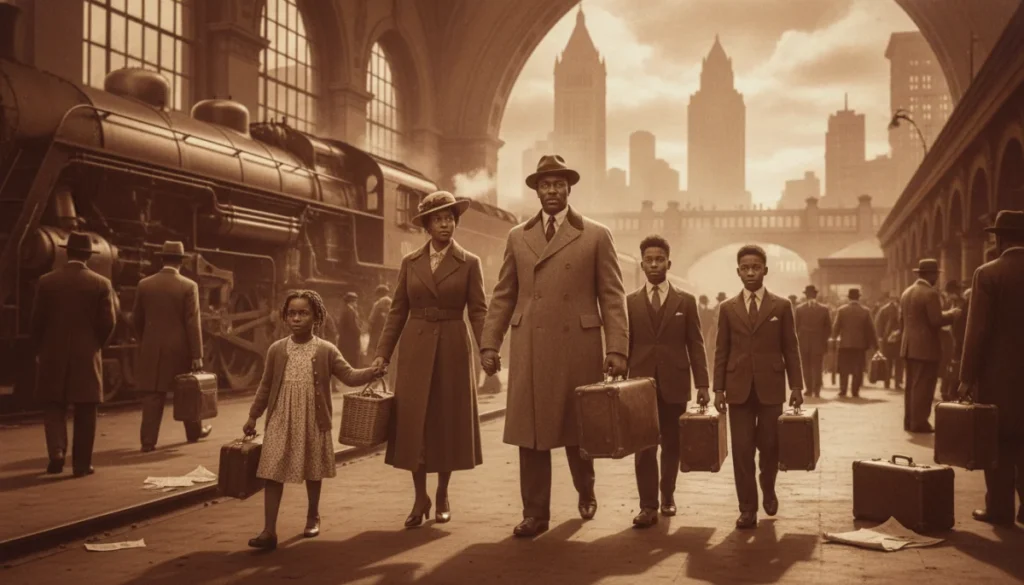
The decision to leave was often fraught with peril, but the desire for a better future, free from the shackles of racial subjugation, proved stronger than the fear of the unknown. Families pooled resources, sold meager possessions, and embarked on journeys that would forever change their lives and the landscape of America.
The early 20th century saw the first wave of migrants, often traveling by train, seeking industrial work in burgeoning Northern cities. These pioneers sent letters and money back home, painting pictures of opportunities that fueled subsequent waves of migration, creating a self-sustaining network that facilitated the movement of millions. This initial phase laid the groundwork for the profound demographic shifts that would follow for decades.
Northern Promise and Urban Realities
Upon arrival in Northern, Midwestern, and Western cities, African American migrants encountered a mix of opportunities and new challenges. While the blatant racial violence and oppressive Jim Crow laws of the South were less prevalent, new forms of discrimination emerged, particularly in housing and employment. However, the industrial boom of World War I and II created a demand for labor that African Americans readily filled, contributing significantly to the war effort and urban economies.
Cities like Chicago, New York, Detroit, and Los Angeles became beacons of hope, offering higher wages and a semblance of freedom. African Americans found work in factories, slaughterhouses, and steel mills, often taking jobs that were deemed undesirable by white workers. This influx of labor was vital for industrial expansion, particularly during periods of national crisis. Yet, the promise of full equality remained elusive, as systemic barriers continued to shape their urban experience.
Challenges in the Urban North
Despite the economic opportunities, migrants faced significant hurdles in their new urban environments. Housing discrimination, known as redlining, confined African Americans to overcrowded and underdeveloped neighborhoods, leading to the formation of segregated communities.
Housing Discrimination: Restrictive covenants and redlining limited housing options.
Job Segregation: Often relegated to the lowest-paying, most arduous industrial jobs.
Social Discrimination: Encountered prejudice in public spaces, though less overt than in the South.
Overcrowding: Rapid influx of people led to strain on urban infrastructure and services.
These challenges fostered a sense of community and solidarity within these segregated neighborhoods, leading to the development of vibrant cultural and social institutions. The resilience shown in the face of these new adversities underscored the enduring spirit of the migrants. They built communities, established churches, and created businesses, transforming their surroundings into hubs of African American life.
The transformation of urban landscapes was not just physical but also social. The sheer numbers of new residents forced cities to adapt, albeit sometimes slowly and reluctantly. The demographic shift brought new cultural expressions, political demands, and economic contributions that irrevocably altered the urban fabric.
The Emergence of Black Urban Centers
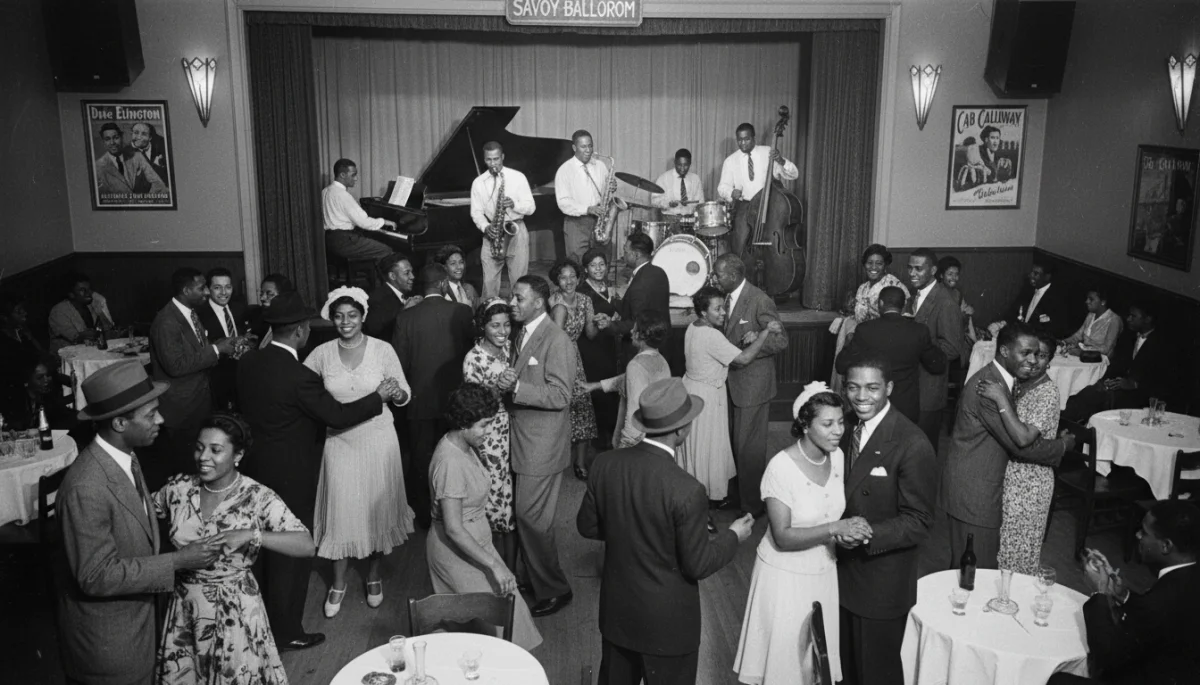
As millions of African Americans settled in cities, they forged distinct cultural and economic enclaves. Neighborhoods like Harlem in New York, Bronzeville in Chicago, and Central Avenue in Los Angeles became dynamic centers of African American life, fostering a rich tapestry of art, music, literature, and entrepreneurship. These areas, though often born out of segregation, became crucibles of identity and innovation.
These burgeoning Black urban centers provided a refuge from racial hostility and a platform for collective advancement. Churches, community organizations, and businesses flourished, creating self-sustaining ecosystems that nurtured talent and provided essential services. The cultural renaissance that emerged from these communities had a profound impact on American society as a whole.
Cultural and Economic Vibrancy
The concentration of African Americans in urban areas led to an explosion of cultural expression and economic activity. This period witnessed the birth of new musical genres, literary movements, and artistic styles that captured the unique experiences of Black Americans.
Harlem Renaissance: A flourishing of African American art, literature, and music in the 1920s and 1930s.
Jazz and Blues: Musical forms that originated in the South found new audiences and evolved in urban settings.
Black-Owned Businesses: Entrepreneurship thrived within segregated communities, providing goods and services.
Community Institutions: Churches, mutual aid societies, and civil rights organizations provided vital support.
These cultural contributions not only enriched American society but also served as powerful tools for social and political commentary. Artists and intellectuals used their platforms to challenge racial injustices and advocate for equality, laying the groundwork for future civil rights movements. The economic power generated within these communities, though often constrained, also provided a foundation for collective action.
The establishment of these vibrant urban centers demonstrated the incredible resilience and creativity of African Americans in the face of adversity. They transformed spaces of constraint into hubs of culture and power, leaving an indelible mark on the urban fabric of America. These communities became symbols of hope and progress, inspiring generations.
Political and Social Transformation
The Great Migration had far-reaching political and social consequences, fundamentally altering the balance of power and accelerating the fight for civil rights. As African Americans moved North, their concentration in urban areas gave them a new collective voice and political leverage that was largely absent in the segregated South.
In Northern cities, African Americans could vote and organize more freely, leading to the election of Black politicians and the formation of powerful civil rights organizations. This newfound political power was instrumental in challenging discriminatory practices and advocating for federal intervention to protect civil rights. The urban setting provided a fertile ground for activism and social change.
Impact on Civil Rights Movement
The demographic shift created a critical mass of African Americans in urban areas, which became crucial for the momentum of the Civil Rights Movement. Their experiences in the North often highlighted the hypocrisy of American democracy, fueling the demand for true equality.
Increased Political Clout: African American voters became a significant political force in key Northern cities.
Rise of Civil Rights Organizations: Groups like the NAACP gained strength and membership in urban centers.
National Awareness: The issues of racial inequality were brought to the national forefront.
Activism and Protests: Urban areas became sites for organized protests and demonstrations against discrimination.
The political awakening fostered by the Great Migration laid the groundwork for the monumental changes of the mid-20th century. The experiences of migrants, both positive and negative, informed the strategies and goals of civil rights leaders, leading to legislative victories that transformed American society. The struggle for housing, employment, and educational equality in the North mirrored and amplified the broader fight for racial justice.
The social transformation was equally profound. The migration challenged existing racial hierarchies and forced a national reckoning with the legacy of slavery and segregation. It sparked debates and movements that reshaped public discourse on race, justice, and equality, paving the way for a more inclusive, albeit still imperfect, America.
Economic Shifts and Urban Development
The influx of millions of African Americans profoundly impacted urban economies and development patterns. Their labor was essential for industrial growth, yet their presence also exacerbated existing social and economic inequalities, leading to debates about resource allocation and urban planning. The economic landscape of cities was irrevocably altered by this massive demographic shift.
African Americans filled critical labor gaps in industries such as manufacturing, meatpacking, and automotive production. Their contributions were vital to the economic prosperity of Northern cities, particularly during wartime. However, they often faced wage discrimination and were the first to be laid off during economic downturns, highlighting the persistent racial disparities within the urban economy.
Reshaping Urban Economies
The economic impact was multifaceted, driving both growth and challenges. The new workforce fueled industrial expansion, but racial discrimination limited economic mobility for many African Americans.
Industrial Labor Force: Provided essential labor for factories and industries in Northern cities.
Consumer Markets: Established new consumer bases within segregated communities.
Urban Blight: Discriminatory housing policies contributed to the decline of inner-city neighborhoods.
Infrastructure Strain: Rapid population growth strained urban services and infrastructure.
The spatial segregation enforced through practices like redlining led to concentrated poverty and underinvestment in Black neighborhoods, contributing to urban decay in many areas. This created a dual economy within cities, where predominantly white areas thrived while Black neighborhoods struggled with limited resources and opportunities. The economic disparities created during this period continue to affect urban landscapes today.
Despite these challenges, African American communities also generated significant economic activity within their own neighborhoods, fostering a sense of self-reliance and collective economic power. This self-sufficiency, born out of necessity, demonstrated the entrepreneurial spirit and resilience of the migrants, even in the face of systemic barriers.
Legacy and Lasting Impact
By 1970, the Great Migration had largely concluded, but its legacy continues to shape American society. The demographic shifts it initiated are still evident in the racial composition of major U.S. cities, and the social, economic, and political changes it wrought have left an indelible mark on the nation’s history. Understanding this period is crucial for comprehending contemporary urban challenges and opportunities.
The enduring impact of the Great Migration can be seen in the cultural vibrancy of urban centers, the ongoing struggle for racial justice, and the complex dynamics of urban planning and development. It fundamentally redefined what it meant to be an American, pushing the nation to confront its ideals of equality and opportunity. The stories of the migrants, their journeys, and their triumphs continue to inspire and inform.
Contemporary Relevance
The historical forces unleashed by the Great Migration continue to influence modern America, highlighting the long-term consequences of past policies and movements.
Urban Demographics: The racial makeup of many U.S. cities is a direct result of the migration patterns.
Socioeconomic Disparities: Legacies of redlining and segregation contribute to ongoing wealth gaps.
Cultural Contributions: African American culture, shaped by urban experiences, remains a dominant force.
Political Landscape: The political power gained by African Americans in urban areas continues to be significant.
The Great Migration serves as a powerful reminder of the interconnectedness of history and the present. It underscores how demographic shifts, economic forces, and social movements combine to create lasting change. Recognizing this influence is essential for addressing current issues related to race, equity, and urban resilience, fostering a more just and equitable future for all Americans.
The stories of the 6 million African Americans who embarked on this monumental journey are a testament to human courage and determination. Their collective movement not only reshaped urban landscapes but also laid the groundwork for a more inclusive and diverse American identity, continually challenging the nation to live up to its founding principles.
Key Aspect
Brief Description
Demographic Shift
6 million African Americans moved from the rural South to urban centers (1910-1970).
Urban Transformation
Reshaped social, economic, and cultural fabric of Northern, Midwestern, and Western cities.
Cultural Impact
Fostered vibrant Black urban centers, leading to the Harlem Renaissance and new musical genres.
Political Influence
Increased political leverage and activism, contributing significantly to the Civil Rights Movement.
Frequently Asked Questions About the Great Migration
What were the primary push factors for the Great Migration?▼
Primary push factors included severe racial oppression under Jim Crow laws, economic exploitation through sharecropping, widespread racial violence, and a lack of opportunities in education and political participation in the rural South.
Which U.S. cities experienced the most significant impact from the Great Migration?▼
Cities such as Chicago, New York (especially Harlem), Detroit, Philadelphia, and Los Angeles saw massive influxes of African American migrants, profoundly changing their demographics, economies, and cultural landscapes.
How did the Great Migration contribute to the Civil Rights Movement?▼
The concentration of African Americans in urban areas gave them increased political power and facilitated the organization of civil rights groups. This collective strength was crucial in challenging segregation and demanding federal action for equality.
What cultural movements emerged from the Great Migration?▼
The Great Migration fueled significant cultural movements, most notably the Harlem Renaissance, which saw a flourishing of African American art, literature, and music, including the evolution of jazz and blues into national phenomena.
What is the lasting legacy of the Great Migration on American urban landscapes?▼
Its legacy includes the current racial composition of major cities, persistent socioeconomic disparities due to historical redlining, rich cultural contributions, and the ongoing struggle for racial equity and justice in urban development.
Conclusion
The Great Migration was more than just a movement of people; it was a fundamental reshaping of America’s social, economic, and political soul. By 1970, the profound journey of 6 million African Americans from the South to urban centers across the nation had irrevocably transformed cities, ignited cultural renaissances, and laid essential groundwork for the Civil Rights Movement. Its unseen influence continues to resonate in the demographics, challenges, and vibrant cultural tapestry of contemporary American urban landscapes, demanding ongoing reflection and understanding.