American Folk Traditions 2026: Thriving or Fading?
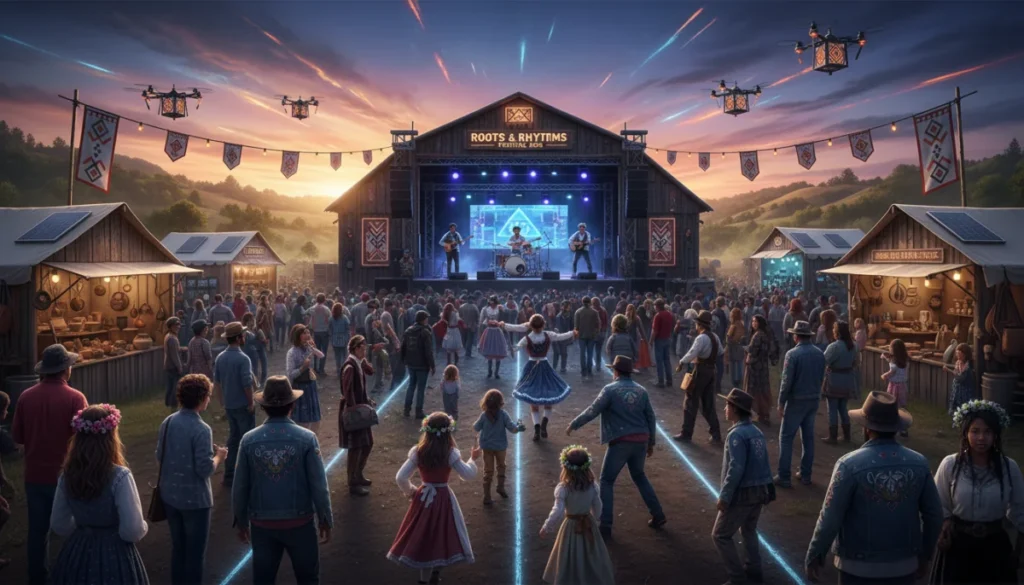
The 2026 state of American folk traditions reveals a dichotomy of decline in some areas alongside significant resurgence and adaptation in others, propelled by digital innovation and renewed community interest.
As we navigate 2026, the question of whether American folk traditions are thriving or fading is more pertinent than ever. From regional music styles to ancestral crafts and storytelling, these traditions form the intricate tapestry of American identity. This article delves into the current landscape, exploring the forces shaping their future.
The evolving definition of American folk traditions
The concept of ‘folk tradition’ itself has undergone significant evolution. No longer confined to historical reenactments or rural enclaves, it now encompasses a broader spectrum of cultural practices that are both inherited and innovated. This section explores how society’s understanding of these traditions has adapted to the 21st century.
Traditionally, folk traditions were seen as practices passed down orally or by example within small, isolated communities. They often embodied a sense of local identity and continuity with the past. However, modern connectivity and globalization have blurred these lines, leading to new interpretations and expressions of what it means to be ‘folk.’
Digital preservation and global reach
- Online Archives: Digital platforms now house vast archives of folk music, stories, and craft techniques, making them accessible to a global audience.
- Virtual Workshops: Artisans and performers can teach traditional skills through online workshops, reaching students far beyond their local communities.
- Social Media Engagement: Platforms like TikTok and Instagram have become unexpected venues for folk artists to share their work, attracting younger audiences and fostering new communities.
The digital revolution has not only preserved traditions but also transformed them, allowing for cross-cultural pollination and innovative fusion genres. This accessibility is a double-edged sword, however, as it can sometimes dilute the authenticity or context of practices when removed from their original settings.
Ultimately, the evolving definition suggests a dynamic, living culture rather than a static historical artifact. American folk traditions are not just about what was, but what is becoming, as new generations adapt and reinterpret them for their contemporary lives. This continuous redefinition is crucial for their survival and relevance in 2026.
Challenges facing traditional folk practices in 2026
Despite renewed interest and digital advancements, American folk traditions face substantial challenges in 2026. Urbanization, commercialization, and the rapid pace of modern life often clash with the inherent nature of these practices, which typically require time, dedication, and community support. Understanding these hurdles is vital for developing effective preservation strategies.
One significant challenge is the erosion of intergenerational transmission. Younger generations, often drawn to mainstream entertainment and global trends, may not have the same exposure or inclination to learn traditional skills from their elders. This creates knowledge gaps that threaten the continuity of practices that rely heavily on apprenticeship and direct mentorship.
Economic pressures and commercial dilution
- Market Competition: Folk artisans often struggle to compete with mass-produced goods, making it difficult to sustain a livelihood from traditional crafts.
- Authenticity vs. Marketability: The pressure to make traditions palatable for broader markets can lead to simplification or alteration, sometimes sacrificing authenticity for commercial appeal.
- Funding Gaps: Many non-profit organizations dedicated to folk preservation face chronic underfunding, limiting their ability to support artists and educational programs.
Furthermore, the digital age, while offering opportunities, also presents challenges. The sheer volume of content available online can make it difficult for niche folk traditions to gain visibility. There’s also the risk of cultural appropriation when traditions are adopted without proper understanding or respect for their origins.
These challenges are not insurmountable, but they demand thoughtful and proactive solutions. Addressing them requires a concerted effort from communities, cultural institutions, and policymakers to create environments where folk traditions can not only survive but also flourish authentically.
Revivals and resurgence: new life for old traditions
Amidst the challenges, a vibrant movement of revival and resurgence is breathing new life into American folk traditions. Across the nation, communities and individuals are actively working to reclaim, reinterpret, and celebrate their cultural heritage. This section highlights the innovative ways traditions are being revitalized in 2026.
One notable trend is the rise of community-led initiatives. Local festivals, workshops, and storytelling circles are flourishing, often spearheaded by passionate individuals or small grassroots organizations. These events provide crucial spaces for intergenerational learning and cultural exchange, fostering a sense of belonging and shared identity.
The role of education and cultural institutions
- School Programs: Many schools are integrating folk arts and history into their curricula, introducing younger students to traditions like square dancing, traditional music, and regional crafts.
- Museum Exhibitions: Museums are curating engaging exhibitions that showcase the depth and diversity of American folk traditions, often incorporating interactive elements to draw visitors in.
- Folk Arts Centers: Dedicated centers provide resources, training, and performance spaces for folk artists, acting as hubs for cultural preservation and innovation.
Technology, despite its challenges, is also a powerful tool for resurgence. Podcasts, documentaries, and interactive online platforms are bringing folk stories and music to new audiences. Social media campaigns effectively mobilize interest and participation in traditional events, demonstrating that digital engagement can significantly bolster physical community involvement.
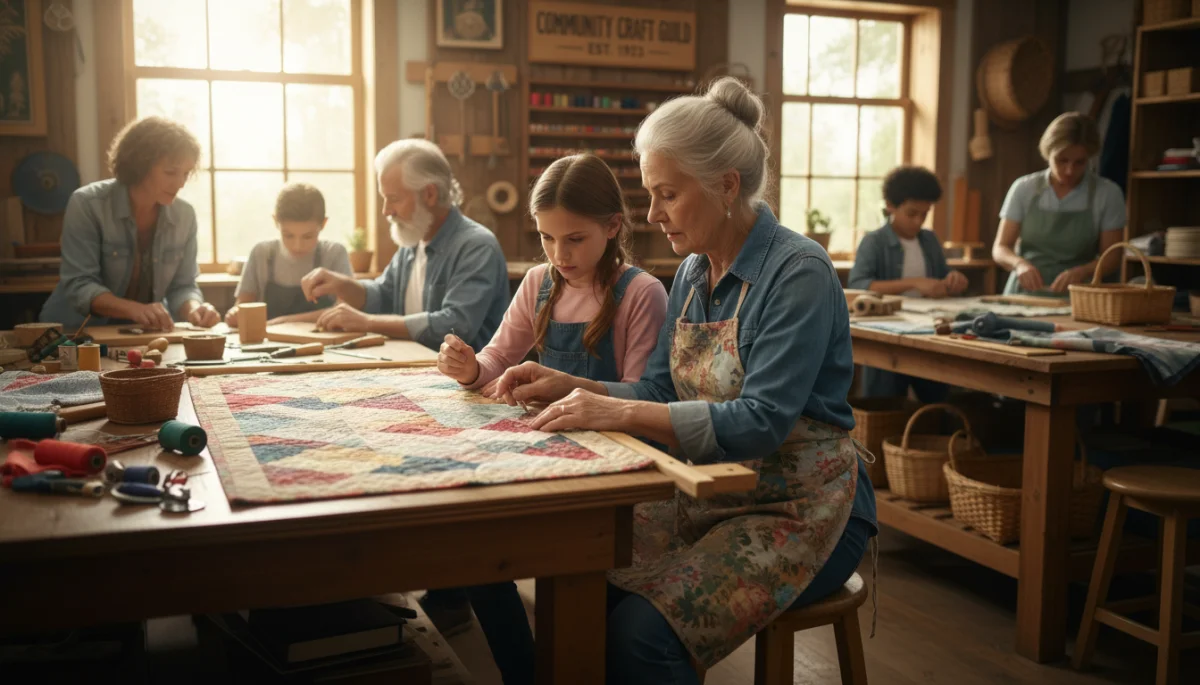
The renewed interest isn’t just about nostalgia; it’s about finding relevance. Many people are discovering that folk traditions offer a sense of grounding and connection in an increasingly fast-paced and digital world. This intrinsic value is a powerful driver for their continued revival and adaptation.
Regional variations and unique expressions
The United States is a vast country, and its folk traditions are as diverse as its landscapes and peoples. From the Appalachian mountains to the Louisiana bayous, and from the deserts of the Southwest to the urban centers of the Northeast, each region boasts unique expressions of American folk culture. This section explores some of these distinct regional variations in 2026.
In the South, for instance, music traditions like bluegrass, blues, and gospel continue to thrive, often evolving with contemporary influences while maintaining their core identity. Storytelling also remains a powerful art form, with narratives reflecting the region’s rich history and diverse cultural tapestry.
Folk crafts and culinary traditions
- Southwestern Weaving: Indigenous weaving techniques, such as Navajo rug weaving, continue to be practiced and revered, often incorporating modern designs alongside traditional patterns.
- New England Quilting: Quilting, a long-standing tradition in New England, sees both traditional patterns and innovative artistic expressions, often reflecting community narratives.
- Louisiana Creole Cuisine: Culinary folk traditions, like the preparation of gumbo and jambalaya, are vital cultural expressions, passed down through families and celebrated in community gatherings.
The Pacific Northwest, with its blend of Indigenous cultures and pioneering history, showcases folk traditions ranging from totem pole carving to maritime songs. Even in bustling urban environments, micro-communities are fostering specific folk practices, demonstrating that traditions can flourish even without geographical isolation.
These regional differences are not just interesting variations; they are the very essence of American folk identity. They remind us that there isn’t one singular ‘American folk tradition’ but rather a vibrant mosaic of practices, each contributing to the nation’s rich cultural heritage and adapting to local contexts.
The impact of technology on preservation and dissemination
Technology’s influence on American folk traditions in 2026 is a complex narrative of both opportunity and challenge. While it can accelerate the fading of certain practices by offering distractions, it also provides unprecedented tools for preservation, dissemination, and even innovation. This section examines how technology is reshaping the future of folk culture.
The most obvious benefit is documentation. High-quality audio and video recordings can capture performances, interviews with elders, and detailed demonstrations of crafts, preserving them for future generations. Digital archives, easily searchable and accessible, ensure that these cultural treasures are not lost to time.
Digital platforms and community building
- Streaming Services: Platforms like YouTube and specialized folk music streaming sites allow artists to reach vast audiences, often bypassing traditional gatekeepers.
- Online Forums: Niche online communities dedicated to specific folk traditions, such as banjo playing or historical reenactment, foster connection and shared learning among enthusiasts worldwide.
- Interactive Apps: Developers are creating apps that teach traditional dances, languages, or craft techniques, making learning engaging and accessible on mobile devices.
However, technology also introduces risks. The passive consumption of digital content can diminish the active, participatory nature that is often central to folk traditions. There’s also the challenge of ensuring digital literacy and access for all communities, particularly those in rural or underserved areas, to prevent further marginalization.
Ultimately, the impact of technology depends on how it is wielded. When used thoughtfully and ethically, it can be a powerful ally in the effort to preserve and promote American folk traditions, helping them to adapt and thrive in the modern world while retaining their essential spirit.
Looking ahead: the future of American folk traditions
As we project into the future, the trajectory of American folk traditions appears to be one of dynamic adaptation rather than outright disappearance. While some forms may indeed fade, many are finding new ways to connect with contemporary audiences and remain relevant. The future is likely to be a blend of preservation, innovation, and strategic community engagement.
Continued investment in cultural education will be paramount. Introducing folk arts and history at early educational stages can instill an appreciation for heritage and encourage participation. This foundational knowledge is crucial for fostering a new generation of practitioners and enthusiasts.
Key areas for future growth and support
- Interdisciplinary Collaboration: Folk artists collaborating with contemporary artists, musicians, and technologists can create innovative works that bridge past and present.
- Sustainable Economic Models: Developing business models that allow folk artisans to earn a living wage from their craft without compromising authenticity is essential for long-term survival.
- Policy and Funding: Government and philanthropic support for cultural institutions and individual artists plays a critical role in providing resources for preservation, education, and public programming.
The emphasis will also shift towards understanding folk traditions not just as historical relics, but as living, evolving practices that reflect contemporary American experiences. This means embracing new interpretations and allowing for organic growth, rather than strictly adhering to rigid historical forms.
The future of American folk traditions in 2026 and beyond will hinge on a collective commitment to valuing cultural heritage, fostering intergenerational connections, and creatively leveraging modern tools to ensure these rich practices continue to enrich the national identity. They are not merely surviving; they are transforming.
| Key Aspect | Current State in 2026 |
|---|---|
| Digital Adoption | Increasingly used for preservation and dissemination, reaching new audiences globally. |
| Intergenerational Transfer | Faces challenges due to modern distractions but sees revitalization through community programs. |
| Economic Viability | Struggles against mass production; new models needed for sustainable livelihoods for artisans. |
| Community Engagement | Strong through local festivals, workshops, and grassroots initiatives across regions. |
Frequently asked questions about American folk traditions
No, not entirely. While some traditional forms face decline, many are experiencing significant revivals and adaptations. The landscape is complex, with both fading and thriving aspects, often dependent on regional context and community efforts. Digital tools also play a crucial role in their modern survival.
Technology offers powerful tools for preservation, documentation, and global dissemination through online archives, virtual workshops, and social media. However, it also presents challenges like potential dilution of authenticity and the risk of passive consumption over active participation in cultural practices.
Folk artists often face economic pressures from mass-produced goods, making it difficult to sustain a living. There’s also the challenge of attracting younger generations to learn traditional skills and securing adequate funding for cultural preservation programs. Commercialization can also pressure artists to alter their work.
Absolutely. The United States maintains a rich tapestry of distinct regional folk traditions, from the music of Appalachia to Southwestern weaving and Louisiana culinary arts. These unique expressions are vital to local identities and continue to evolve while preserving their core characteristics, contributing to a diverse national culture.
Preservation efforts include community-led festivals, school programs, museum exhibitions, and dedicated folk arts centers. Digital platforms are crucial for archiving and teaching. There’s also a growing emphasis on interdisciplinary collaboration and developing sustainable economic models to support folk artists and ensure the continuity of their practices.
Conclusion
The 2026 state of American folk traditions is far from a simple narrative of decline. Instead, it presents a vibrant, albeit challenging, landscape of adaptation, resilience, and resurgence. While modernization and economic pressures pose significant threats, the ingenuity of communities, the power of digital tools, and a renewed appreciation for heritage are collectively ensuring that these vital cultural expressions continue to evolve. The future of American folk traditions lies in a balanced approach that honors their past while embracing innovative ways to keep them alive and relevant for generations to come, proving they are indeed thriving through transformation.
