Unearthing 5 Forgotten American Traditions That Deserve a 2026 Revival
Five forgotten American traditions, from community barn raisings to Sunday drives, hold profound cultural and social value that merits their revival in 2026 for a richer, more connected society.
As we look towards 2026, a year marking significant American milestones, it’s a perfect opportunity to reflect on our past and consider what cultural treasures we might have left behind. Many rich practices have faded into history, but some forgotten American traditions offer profound lessons and unique community spirit that are incredibly relevant today. This article explores five such traditions, examining their historical context, cultural significance, and the compelling reasons why they deserve a grand revival.
The Community Barn Raising: A Testament to Collective Spirit
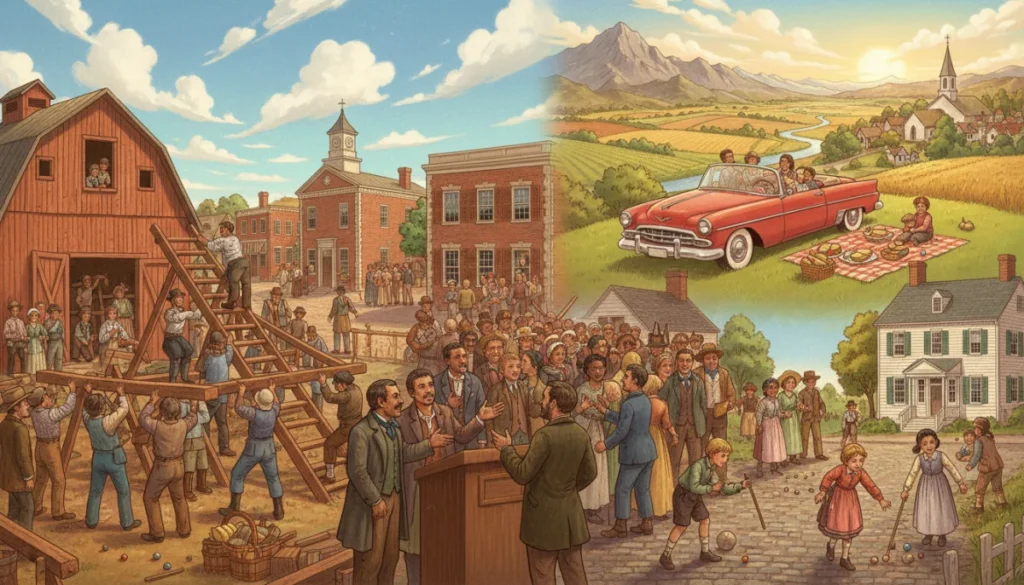
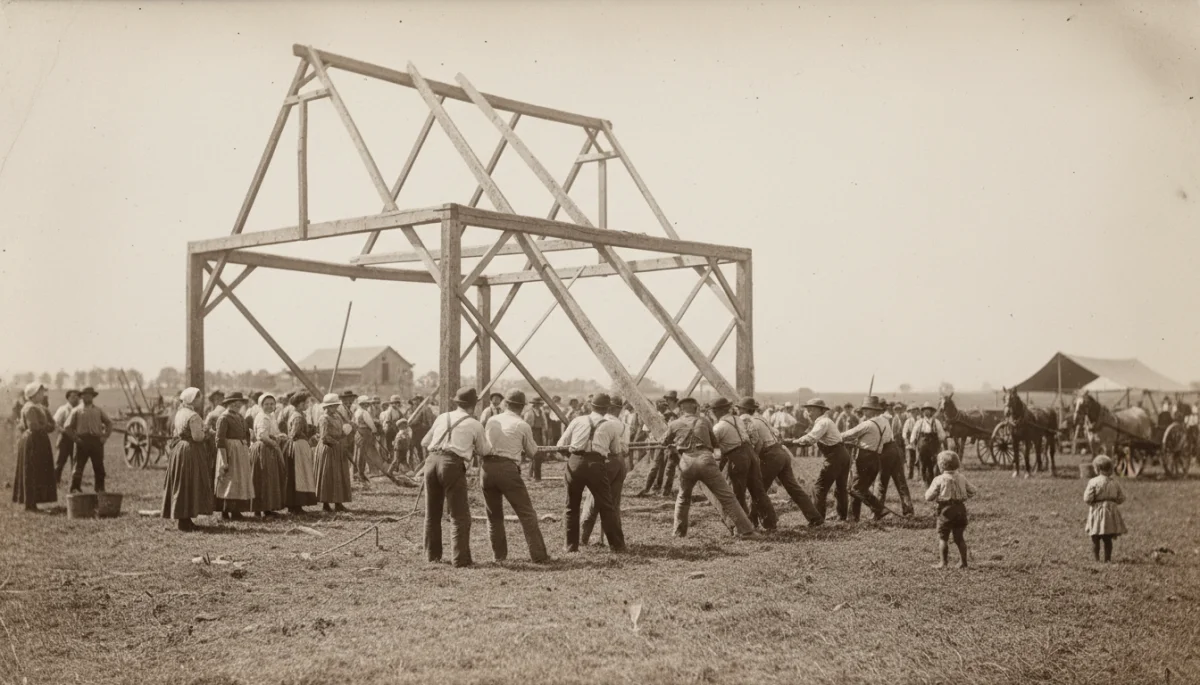
The community barn raising was more than just constructing a building; it was a cornerstone of rural American life, embodying neighborly cooperation and mutual support. In an era before advanced machinery, building a barn was an enormous undertaking, often requiring the combined strength and skills of an entire community. This tradition brought people together not just for labor, but for shared meals, storytelling, and celebrations, forging strong social bonds that extended far beyond the construction site.
These events were meticulously planned, with families contributing food, tools, and expertise. The women of the community played a vital role, preparing vast quantities of food to feed the hungry workers, turning the event into a festive occasion. Children often participated in age-appropriate tasks, learning the value of hard work and community from a young age. The barn raising wasn’t merely about erecting a structure; it was about building community, resilience, and a shared sense of purpose.
Why a Revival is Needed
In our increasingly individualized world, the spirit of the barn raising offers a powerful antidote. It reminds us of the strength found in collective action and the joy of working together for a common goal. Reviving this tradition, perhaps adapted for modern community projects like building a park gazebo or a local food pantry, could help bridge divides and foster genuine local connections.
- Fosters Community Bonds: Encourages face-to-face interaction and cooperation.
- Teaches Practical Skills: Provides opportunities for skill-sharing across generations.
- Promotes Mutual Aid: Reinforces the idea of neighbors helping neighbors.
- Celebrates Shared Accomplishments: Creates memorable, unifying experiences.
The enduring legacy of the barn raising lies in its ability to transform a daunting task into a communal celebration, demonstrating that together, much more can be achieved. Its revival would inject a much-needed dose of collaborative spirit into our contemporary society, reminding us of the profound satisfaction that comes from collective effort and shared success.
The Sunday Drive: Simple Pleasures and Family Connection
Before the advent of ubiquitous screens and endless digital distractions, the Sunday drive was a cherished American tradition. It was a time for families to escape the confines of home, explore local landscapes, and simply enjoy each other’s company without the pressure of a specific destination or agenda. These drives were often accompanied by packed picnics, spontaneous stops at scenic overlooks, and lively conversations, creating lasting memories.
The allure of the open road and the quiet beauty of the countryside provided a tranquil backdrop for family bonding. It was a chance for parents to point out landmarks, tell stories, and engage with their children in a relaxed, unstructured way. The pace was slow, allowing for appreciation of the journey itself, rather than just the arrival. This tradition offered a much-needed respite from the week’s demands, prioritizing connection and simple pleasures.
Rediscovering the Joy of the Journey
In an age where travel is often about efficiency and speed, the Sunday drive encourages us to slow down and savor the experience. It promotes mindful engagement with our surroundings and with those closest to us. Reintroducing this tradition could help families unplug, reconnect, and discover the hidden gems in their own localities, fostering a sense of place and appreciation for local beauty.
The simplicity of the Sunday drive is its greatest strength. It requires no elaborate planning or significant expense, just a willingness to set aside time for unstructured exploration and conversation. Imagine families once again piling into the car, not for errands or appointments, but purely for the joy of a shared journey, rediscovering the scenic routes and quiet moments that define genuine connection.
Front Porch Sitting: The Art of Neighborhood Engagement
The front porch was once a vibrant social hub in American neighborhoods, serving as an informal extension of the home where people would gather to relax, observe the world go by, and interact with neighbors. Front porch sitting was a quintessential American tradition that fostered a strong sense of community, allowing for spontaneous conversations, shared laughter, and a watchful eye over the neighborhood.
It was a place where stories were exchanged, advice was given, and friendships blossomed. Children played nearby, under the benevolent gaze of adults, and the rhythm of daily life unfolded in full view. This tradition facilitated organic social interaction, breaking down barriers and building trust among residents. The porch was a bridge between the private sphere of the home and the public life of the street, creating a permeable, welcoming environment.
Reclaiming Public-Private Spaces
With the rise of air conditioning, television, and private backyards, the front porch’s prominence diminished. Reviving front porch sitting could revitalize neighborhoods, encouraging more interaction and creating safer, more connected communities. It’s a simple yet powerful way to reclaim public spaces for social engagement, fostering a sense of belonging and collective responsibility.
- Enhances Neighborhood Safety: More eyes on the street deters crime.
- Promotes Spontaneous Interaction: Encourages casual conversations and friendships.
- Builds Community Identity: Creates a shared sense of place and belonging.
- Offers Relaxation: Provides a peaceful space to unwind and observe.
The return of front porch culture would mean a return to a more communal way of life, where neighbors are not just faces passing by, but active participants in each other’s lives. It’s an inexpensive and enjoyable way to foster genuine community, one friendly wave and shared story at a time. This tradition reminds us that sometimes, the best connections are made simply by being present and open to engagement.
The Town Crier: Local News and Civic Participation
Before newspapers, radio, and the internet, the town crier was an indispensable figure in American communities, serving as the primary source of public information. This tradition involved a designated individual, often dressed in distinctive attire, who would walk through the streets, ringing a bell or blowing a horn to attract attention, and then loudly proclaim important news, announcements, and decrees.
The town crier’s role extended beyond mere news delivery; they were often trusted members of the community, their presence adding a sense of urgency and importance to civic matters. This method of communication ensured that everyone, regardless of literacy or access to other forms of media, was informed about local happenings, from market prices and upcoming events to official proclamations and public health warnings. It fostered a direct and immediate connection between local governance and its citizens.
Bringing Back the Human Touch in Information
While modern communication is instantaneous, it often lacks the personal touch and community-building aspect of the town crier. A revival, perhaps in an adapted form for local events or community forums, could bring a unique charm and a renewed sense of civic engagement. Imagine a local figure announcing farmers’ market specials or upcoming town meetings with a theatrical flair, making community news an event rather than just a notification.
This tradition could serve as a powerful reminder of the importance of local news and direct civic participation. In an era of information overload and digital detachment, the town crier represents a refreshingly human approach to communication, one that emphasizes presence, clarity, and community involvement. It’s a way to cut through the noise and deliver information with a memorable and engaging flair, fostering a stronger sense of local identity and shared awareness.
The Traveling Chautauqua: Lifelong Learning and Entertainment
The Chautauqua movement, particularly its traveling tent shows, was a prominent American tradition in the late 19th and early 20th centuries. It offered a unique blend of education, culture, and entertainment to rural communities, bringing renowned speakers, musicians, actors, and lecturers to areas that had limited access to such opportunities. It was a vibrant platform for lifelong learning, intellectual discourse, and artistic appreciation.
These mobile institutions provided a diverse program covering everything from current events and scientific discoveries to literature, music, and moral philosophy. Chautauqua tents became temporary cultural centers, drawing large crowds eager for mental stimulation and wholesome entertainment. They played a crucial role in adult education and cultural enrichment, fostering critical thinking and broadening horizons for countless Americans.
A Modern Platform for Knowledge Sharing
In today’s digital age, information is abundant but often fragmented and lacks curated context. A revival of the Chautauqua, perhaps reimagined as pop-up educational festivals or rotating lecture series, could offer a much-needed space for thoughtful discussion and curated learning experiences. It would create opportunities for communities to engage with complex ideas and diverse perspectives in an interactive and entertaining format.
- Promotes Lifelong Learning: Offers accessible educational content for all ages.
- Encourages Critical Thinking: Exposes audiences to diverse viewpoints and intellectual debate.
- Provides Cultural Enrichment: Brings arts and culture to underserved areas.
- Fosters Community Dialogue: Creates shared experiences around learning and ideas.
The Chautauqua tradition reminds us of the power of accessible knowledge and shared intellectual curiosity. Its modern incarnation could inspire a new generation to embrace continuous learning and engage in meaningful dialogue, transforming passive consumption of information into active participation in cultural and intellectual life. This revival would not just entertain, but profoundly educate and connect communities through shared discovery.
| Tradition | Why it Deserves Revival |
|---|---|
| Community Barn Raising | Fosters collective spirit, mutual aid, and strong community bonds. |
| Sunday Drive | Encourages family connection, simple pleasures, and mindful exploration. |
| Front Porch Sitting | Revitalizes neighborhoods through spontaneous interaction and community watch. |
| Traveling Chautauqua | Promotes lifelong learning, critical thinking, and cultural enrichment. |
Frequently Asked Questions About American Traditions
These traditions offer more than just historical novelty; they provide frameworks for community building, family bonding, and accessible education that are deeply relevant to modern challenges. They help combat social isolation, digital over-reliance, and a lack of civic engagement, enriching our lives in meaningful ways.
Modern communities can adapt the barn raising by organizing collective projects like building community gardens, renovating public spaces, or creating local art installations. The essence is to bring people together for a shared physical effort, fostering cooperation and celebrating tangible achievements as a group.
Front porch sitting encourages spontaneous neighborly interaction, leading to stronger community ties and increased neighborhood safety through casual observation. It provides a simple, accessible way to foster a sense of belonging and reduce social isolation, making communities feel more connected and vibrant.
While digital news is instant, a modern town crier, perhaps for local events or community announcements, offers a unique, engaging, and human touch to information dissemination. It can make local news feel more personal and important, fostering civic engagement and a stronger sense of local identity beyond digital notifications.
The Chautauqua can be revived as pop-up educational festivals, curated lecture series, or interactive workshops that travel between communities. This would provide accessible, engaging platforms for lifelong learning, critical discourse, and cultural enrichment, adapting its original spirit to modern interests and learning styles.
Conclusion
The exploration of these five forgotten American traditions reveals a rich tapestry of cultural practices that, while seemingly archaic, hold profound relevance for contemporary society. From the communal solidarity of the barn raising to the intellectual enrichment of the Chautauqua, each tradition offers a unique pathway to fostering stronger communities, deeper family connections, and a more engaged citizenry. As we approach 2026, let us not merely look forward, but also thoughtfully backward, to unearth and revive these invaluable aspects of our heritage. By doing so, we can enrich our present and build a future that is more connected, informed, and truly communal, ensuring that the spirit of these traditions continues to inspire and unite us.
Related Posts: