President’s New Economic Package: Impact on 7 Key Industries by 2026
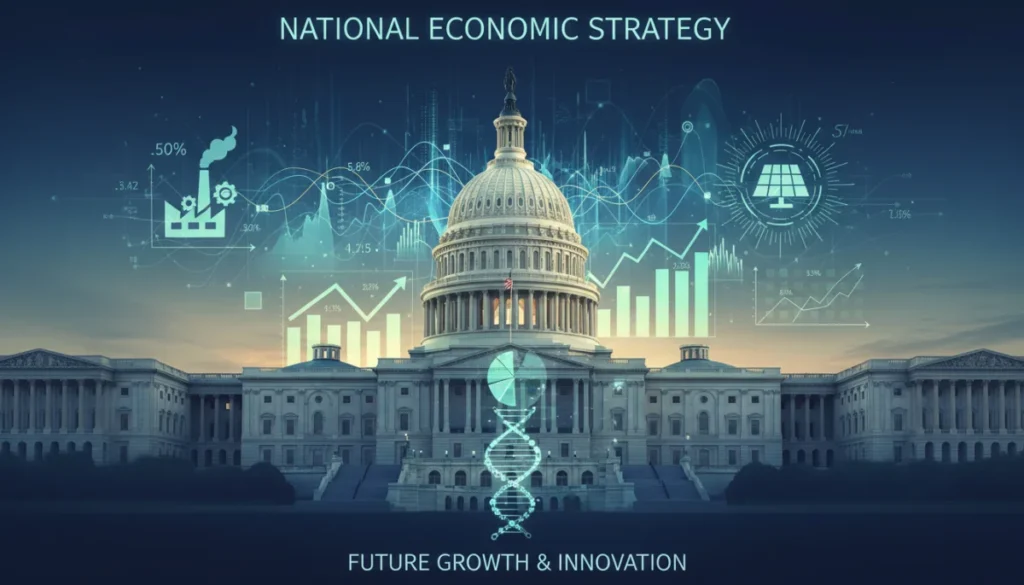
The President’s new economic package, announced in Washington, targets seven key industries for significant transformation and growth by mid-2026.
The recent announcement from Washington regarding the President’s new economic package has sent ripples of anticipation and speculation across the nation. This comprehensive initiative, designed to stimulate growth and foster innovation, is poised to profoundly impact various sectors. Understanding the nuances of this package and its potential reach is crucial for businesses, investors, and everyday citizens alike, as the President’s Economic Package is expected to reshape the American economic landscape by mid-2026.
Unpacking the Core Tenets of the Economic Package
The President’s new economic package isn’t merely a collection of isolated policies; it’s a strategically integrated framework designed to address several pressing economic challenges while simultaneously paving the way for future prosperity. At its heart are foundational principles aimed at bolstering domestic production, enhancing technological leadership, and fostering a more equitable economic distribution across the United States. This section delves into the fundamental pillars supporting this ambitious agenda, offering a clear perspective on its overarching goals and mechanisms.
Key Pillars of the Policy
The package is built upon several critical pillars, each designed to reinforce the others. These include significant investments in infrastructure, a renewed focus on clean energy, and substantial support for advanced manufacturing. The goal is to create a robust economic environment that can withstand global pressures and drive sustainable growth.
- Infrastructure Modernization: Billions allocated for roads, bridges, and public transit.
- Clean Energy Transition: Incentives for renewable energy projects and sustainable technologies.
- Advanced Manufacturing Support: Tax credits and grants for domestic production in key sectors.
Beyond these, the package also emphasizes workforce development and educational reforms, recognizing that a skilled labor force is essential for capitalizing on new economic opportunities. These interconnected initiatives aim to create a virtuous cycle of investment, innovation, and job creation, setting a new trajectory for the American economy.
In essence, the core tenets of this economic package represent a multifaceted approach to national economic revitalization. By focusing on both immediate stimulus and long-term structural improvements, Washington aims to ensure that the benefits of this growth are widely distributed, fostering a more resilient and competitive economy for decades to come.
The Resurgence of American Manufacturing
American manufacturing, a sector that has faced significant headwinds in recent decades, is slated for a substantial revival under the President’s new economic package. This renewed focus is not just about bringing jobs back, but about modernizing industrial processes, integrating cutting-edge technologies, and establishing the U.S. as a leader in high-value manufacturing. The package includes a series of incentives and strategic investments specifically designed to transform factories into hubs of innovation and efficiency.
Incentives for Domestic Production
A cornerstone of this resurgence is the introduction of robust incentives for companies that choose to manufacture their goods domestically. These incentives are designed to offset the costs associated with U.S. production and encourage reshoring efforts. The aim is to create a more resilient supply chain, less dependent on foreign sources.
- Tax Credits: Enhanced tax credits for companies investing in U.S.-based manufacturing facilities.
- Supply Chain Resilience Grants: Funding to help businesses localize critical supply chains.
- “Made in America” Preferences: Government procurement policies favoring domestically produced goods.
Furthermore, the package includes provisions for workforce training programs tailored to the needs of modern manufacturing. This ensures that as production capabilities expand, there will be a skilled labor force ready to meet the demands of advanced robotics, automation, and digital manufacturing techniques.
The vision for American manufacturing is one of innovation and sustainability. By investing in green manufacturing processes and advanced materials, the U.S. aims to not only produce more but also produce smarter and cleaner. This strategic pivot promises to create a more competitive and environmentally responsible industrial base.
Transforming the Energy Sector: A Green Revolution
The President’s economic package places a significant emphasis on accelerating the transition to a clean energy economy. This initiative is not merely an environmental policy; it is viewed as a monumental economic opportunity, capable of creating millions of jobs, fostering new industries, and securing America’s energy independence. The plan outlines aggressive targets and substantial funding to drive innovation and deployment across various renewable energy technologies.
Driving Renewable Energy Adoption
Key to this transformation are policies and investments aimed at making renewable energy sources more accessible, affordable, and widespread. This includes expanding solar and wind power generation, investing in advanced battery storage, and upgrading the national power grid to handle a higher influx of intermittent renewable energy.
- Solar Energy Expansion: Tax incentives for residential and commercial solar installations, R&D funding for advanced solar tech.
- Wind Power Development: Support for offshore and onshore wind farms, including port infrastructure upgrades.
- Grid Modernization: Investments in smart grid technologies and long-distance transmission lines to integrate renewables.
Beyond electricity generation, the package also targets the decarbonization of transportation and industrial processes. This involves promoting electric vehicles through charging infrastructure development and consumer rebates, as well as exploring green hydrogen and carbon capture technologies for heavy industries.
The green revolution envisioned by the economic package is about more than just reducing emissions; it’s about establishing the United States as a global leader in clean energy innovation and manufacturing. This strategic investment is expected to yield significant economic returns, creating a robust domestic supply chain for green technologies and positioning American companies at the forefront of the global energy transition.
Healthcare Innovation and Accessibility
The healthcare sector is another primary beneficiary and focus area of the President’s new economic package. The initiative aims to tackle long-standing issues of accessibility and affordability while simultaneously catalyzing innovation in medical research and technology. This dual approach seeks to improve health outcomes for all Americans and solidify the U.S.’s position as a leader in biomedical advancements.
Expanding Access and Lowering Costs
A significant portion of the package is dedicated to making healthcare services more affordable and available to a broader population. This includes measures to reduce prescription drug costs, expand coverage options, and invest in community health centers, particularly in underserved areas.
- Prescription Drug Price Negotiation: Empowering Medicare to negotiate drug prices, lowering costs for seniors.
- ACA Enhancements: Increasing subsidies to make health insurance more affordable under the Affordable Care Act.
- Telehealth Infrastructure: Funding to expand telehealth services, especially in rural communities.
In parallel, the package funnels substantial funding into biomedical research and development. This investment supports cutting-edge studies in areas like precision medicine, gene therapies, and vaccine development, ensuring that the U.S. remains at the forefront of medical breakthroughs.
The overall goal for the healthcare sector is to create a system that is both highly innovative and universally accessible. By combining targeted reforms with strategic investments, the economic package strives to build a healthier nation and a more robust healthcare industry capable of addressing future health challenges.
The Digital Economy: Fueling Technological Advancement
The digital economy, encompassing everything from artificial intelligence to broadband infrastructure, is set to receive a major boost from the President’s economic package. Recognizing technology as a critical driver of modern economic growth and global competitiveness, the initiative outlines ambitious plans to enhance digital infrastructure, foster innovation in emerging technologies, and ensure digital equity across the nation. This focus is vital for maintaining America’s leadership in the rapidly evolving technological landscape.
Broadband Expansion and AI Development
A core component of this digital strategy is the widespread deployment of high-speed internet, especially in rural and underserved urban areas. This infrastructure investment is seen as foundational for education, remote work, and economic development. Simultaneously, significant funding is directed towards advancing artificial intelligence and quantum computing research, positioning the U.S. at the cutting edge of these transformative fields.
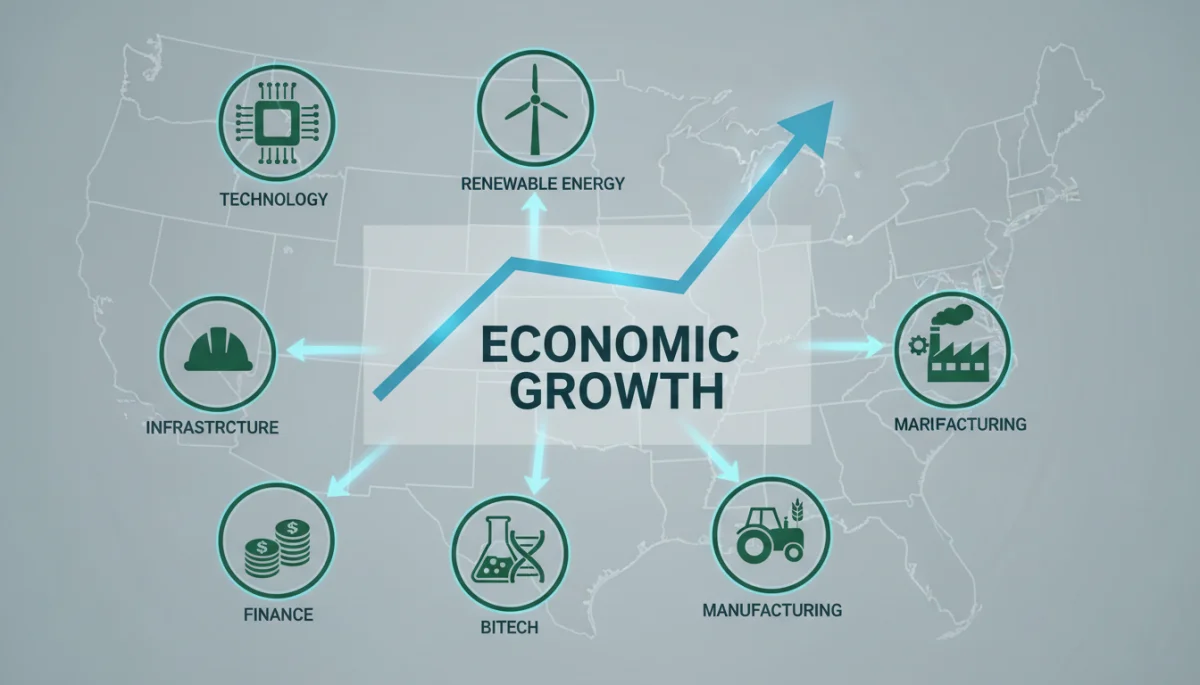
The package also includes provisions for cybersecurity initiatives, recognizing the increasing importance of protecting critical digital infrastructure and data. This comprehensive approach aims to create a secure and robust digital ecosystem that can support future innovation and economic activity.
- Universal Broadband Access: Billions allocated for rural and urban broadband deployment.
- AI Research & Development: Grants and partnerships for AI innovation in academic and private sectors.
- Cybersecurity Fortification: Investments in national cybersecurity defenses and training programs.
Ultimately, the emphasis on the digital economy within the economic package is about future-proofing the nation’s economic capabilities. By ensuring universal access to digital tools and fostering leadership in advanced technologies, the United States aims to unlock new opportunities for growth, productivity, and global influence in the coming years.
Infrastructure Modernization and Job Creation
Beyond its direct impact on specific industries, the President’s economic package places a foundational emphasis on modernizing America’s aging infrastructure. This isn’t merely about repairing roads and bridges; it’s about building a resilient, efficient, and future-ready infrastructure system that can support economic growth for decades to come. The substantial investments planned in this sector are expected to be a major catalyst for job creation across various skill levels.
Rebuilding America’s Foundations
The initiative allocates significant funds for a wide array of infrastructure projects, ranging from transportation networks to water systems and the electric grid. The goal is to not only address current deficiencies but also to prepare the nation’s infrastructure for the demands of a 21st-century economy, including climate resilience and technological integration.
- Roads and Bridges: Extensive repair and upgrade programs for national transportation arteries.
- Public Transit Expansion: Investments in rail, bus, and subway systems to improve urban mobility.
- Water Infrastructure: Funding for clean water initiatives, including pipe replacement and wastewater treatment.
The ripple effect of these infrastructure investments is expected to be profound, stimulating demand in sectors like construction, engineering, and manufacturing of materials. This creates a direct pathway to job creation, providing opportunities for skilled trades, technical professionals, and entry-level workers alike.
Moreover, the package encourages the use of innovative construction techniques and sustainable materials, aligning infrastructure development with environmental goals. By building smarter and greener, the U.S. aims to create long-lasting assets that serve both the economy and the planet, while simultaneously generating a robust employment boom.
Education and Workforce Development
A critical, often underestimated, component of the President’s new economic package is its robust focus on education and workforce development. Recognizing that a skilled and adaptable labor force is the bedrock of a competitive economy, the initiative proposes significant investments in educational programs, vocational training, and reskilling initiatives. The aim is to equip Americans with the knowledge and abilities needed to thrive in the evolving job market, particularly in the industries targeted for growth.
Investing in Human Capital
The package outlines plans to strengthen public education from early childhood through higher education, ensuring that students are prepared for future careers. This includes funding for STEM (Science, Technology, Engineering, and Mathematics) programs, vocational schools, and community colleges, which are vital pipelines for skilled labor.
- Early Childhood Education: Increased funding for universal pre-kindergarten programs.
- STEM Education: Grants for schools and universities to enhance STEM curricula and resources.
- Apprenticeship Programs: Expansion of registered apprenticeship programs in high-demand fields.
Furthermore, the initiative addresses the need for continuous learning and reskilling for adult workers. As industries transform, many existing jobs will change, and new ones will emerge. The package provides resources for career counseling, job placement services, and training programs designed to help workers transition into new roles or enhance their current skills.
By prioritizing human capital development, the economic package aims to create a dynamic workforce capable of adapting to technological advancements and economic shifts. This strategic investment in education and training is crucial for ensuring that the benefits of the economic expansion are accessible to all Americans, fostering both individual prosperity and national competitiveness.
Anticipated Economic Impact and Challenges
The President’s new economic package holds the promise of significant economic revitalization, aiming for sustained growth and increased prosperity across the nation. However, like any large-scale governmental initiative, it also comes with potential challenges and requires careful monitoring to ensure its intended outcomes. This section explores the anticipated macroeconomic effects, including job growth, GDP expansion, and inflationary pressures, while also acknowledging the hurdles that might need to be overcome.
Projected Growth and Potential Obstacles
Economists project that the package could lead to substantial job creation, particularly in manufacturing, clean energy, and infrastructure sectors. GDP growth is also expected to receive a boost as investments translate into increased production and consumer spending. The long-term vision is a more resilient and innovative economy, less susceptible to global shocks.
- Job Creation: Estimates of millions of new jobs over the next five years.
- GDP Boost: Projected increase in annual GDP growth rates.
- Innovation Surge: Accelerated development and adoption of new technologies.
However, potential challenges include managing inflationary pressures, ensuring efficient allocation of funds, and navigating political divisions that could impede implementation. Supply chain disruptions, skilled labor shortages, and the global economic climate also present variables that could influence the package’s overall effectiveness.
The success of the economic package will ultimately depend on a combination of effective policy implementation, sustained political will, and the ability to adapt to unforeseen economic conditions. While the aspirations are high, a realistic understanding of both the opportunities and the obstacles will be crucial for navigating the path to a transformed American economy by mid-2026.
| Key Impact Area | Brief Description of Impact |
|---|---|
| Manufacturing Resurgence | Incentives and investments to boost domestic production and advanced manufacturing technologies. |
| Green Energy Transition | Significant funding for renewable energy, grid modernization, and clean technology development. |
| Healthcare Innovation | Measures to improve accessibility, lower costs, and accelerate biomedical research. |
| Digital Economy Growth | Expansion of broadband, investment in AI, and cybersecurity enhancements. |
Frequently Asked Questions About the Economic Package
The package aims to stimulate economic growth, create jobs, bolster domestic manufacturing, accelerate the clean energy transition, improve healthcare accessibility, and enhance digital infrastructure across the United States. It’s a comprehensive strategy for national revitalization.
Seven key industries are targeted: manufacturing, clean energy, healthcare, digital technology, infrastructure, education, and potentially agriculture through sustainable practices. Each is set for substantial investment and strategic policy changes.
Job creation is anticipated through large-scale infrastructure projects, expansion of green energy initiatives, reshoring manufacturing, and investments in technology and healthcare. Workforce development programs are also central to preparing workers for new roles.
Potential challenges include managing inflation, ensuring efficient fund allocation, overcoming political hurdles, and mitigating global economic uncertainties. Supply chain issues and skilled labor shortages could also impact implementation timelines and costs.
Everyday Americans could see benefits through new job opportunities, lower healthcare and prescription drug costs, improved infrastructure, expanded broadband access, and a cleaner environment. The aim is a more stable and prosperous economic future.
Conclusion
The President’s new economic package represents a monumental effort from Washington to steer the United States towards a future of sustained growth, innovation, and enhanced national resilience. By strategically targeting seven pivotal industries—manufacturing, clean energy, healthcare, digital technology, infrastructure, and education—the initiative aims to create a ripple effect of positive change across the economy. While the path to full implementation and impact by mid-2026 will undoubtedly present its share of complexities and challenges, the comprehensive nature of the plan, coupled with significant investments in both physical and human capital, lays a strong foundation. This bold vision seeks to not only revitalize key sectors but also to foster a more equitable and competitive American economy, ultimately benefiting businesses, communities, and individuals nationwide.
