Register for 2026 U.S. National Park Passes Now!
Securing your 2026 U.S. National Park Passes before April 1 is critical for planning future access to America’s most cherished natural landscapes.
The clock is ticking for outdoor enthusiasts and adventure seekers across the United States. To ensure uninterrupted access to the nation’s breathtaking natural treasures, it’s crucial to understand the urgency to register for 2026 U.S. National Park Passes before April 1. This isn’t just a recommendation; it’s a vital step for anyone planning to explore the diverse landscapes, historical sites, and recreational opportunities offered by America’s national parks in the coming year. Don’t let this critical deadline pass you by.
Understanding the Annual Pass System and Why it Matters
The U.S. National Park Service (NPS) manages a vast network of natural and cultural sites, from iconic national parks like Yellowstone and the Grand Canyon to national monuments, historic sites, and recreation areas. Access to many of these sites typically requires an entrance fee, which can quickly add up if you plan multiple visits or explore various parks throughout the year. This is where the annual pass system, particularly the America the Beautiful – The National Parks and Federal Recreational Lands Pass, becomes an invaluable asset for frequent visitors. This pass covers entrance fees at national parks and national wildlife refuges, as well as standard amenity fees at national forests and grasslands, and at lands managed by the Bureau of Land Management, Bureau of Reclamation, and U.S. Army Corps of Engineers.
The importance of securing your pass for 2026 cannot be overstated. Early registration ensures you are prepared for the upcoming year’s adventures, avoiding potential last-minute rushes or, worse, missing out entirely. The pass not only offers significant cost savings but also streamlines your entry into parks, allowing you to spend more time enjoying the scenery and less time at fee stations. Understanding the nuances of this system is the first step towards a year full of memorable outdoor experiences.
Types of National Park Passes Available
There isn’t just one type of pass; the NPS offers several options tailored to different demographics and needs. Knowing which pass best suits your situation is key to maximizing its benefits.
- Annual Pass: This is the most common pass, valid for one year from the month of purchase. It covers the pass owner and accompanying passengers in a single, private vehicle at per-vehicle fee areas, or the pass owner and up to three adults (16 and older) at per-person fee areas.
- Senior Pass: Available as an annual or lifetime pass for U.S. citizens or permanent residents aged 62 or over. It offers significant discounts and even covers entrance fees for the pass owner and accompanying passengers.
- Access Pass: A free lifetime pass for U.S. citizens or permanent residents with permanent disabilities. Like the Senior Pass, it offers extensive benefits.
- Military Pass: A free annual pass for current U.S. military members and their dependents, as well as veterans and Gold Star Families.
- 4th Grade Pass: A free annual pass for U.S. 4th graders and their families, encouraging young people to explore their national parks.
Each pass has specific eligibility criteria and benefits. Carefully reviewing these options will help you select the most appropriate pass for your 2026 travel plans. The annual pass is a popular choice for many, offering broad coverage across federal lands.
In conclusion, the annual pass system is designed to facilitate access to America’s cherished natural landscapes while ensuring their long-term preservation. By familiarizing yourself with the various pass types and their benefits, you can make an informed decision that enhances your future park visits. The upcoming April 1 deadline specifically targets the general annual passes, making early action crucial for those planning extensive travel in 2026.
The Time-Sensitive Nature of 2026 Pass Registration
The April 1 deadline for 2026 U.S. National Park Passes is not an arbitrary date; it’s a critical window for securing your access to the nation’s most treasured natural and historical sites. While the America the Beautiful Pass is generally available year-round, the specific emphasis on registering by April 1 for the 2026 calendar year often relates to early bird programs, potential changes in pricing, or administrative processing for the upcoming travel season. Missing this window could mean facing higher costs, delayed access, or even limited availability if demand surges later in the year. It’s about proactive planning to ensure a smooth and enjoyable experience.
This deadline is particularly relevant for those who plan extensive travel or multiple park visits in 2026. Securing your pass early allows you to budget effectively and integrate park visits seamlessly into your travel itineraries without last-minute complications. Think of it as reserving your spot in advance for the adventure of a lifetime.
Why Early Registration is a Smart Move
There are several compelling reasons why registering your 2026 national park pass sooner rather than later is a smart strategic move for any avid traveler or outdoor enthusiast.
- Avoid Price Increases: While not always announced far in advance, fee structures for national park passes can occasionally be adjusted. Registering early locks in the current price, protecting you from potential future increases.
- Guaranteed Access: Although passes are generally available, periods of high demand can sometimes lead to temporary processing delays. Early registration ensures your pass is issued and ready well before your planned visits.
- Peace of Mind: Having your pass secured provides peace of mind, allowing you to focus on planning the exciting details of your trip rather than worrying about administrative hurdles.
- Planning Advantage: Knowing you have your pass can help you finalize travel dates and itineraries, especially for popular parks that might require advance reservations for entry or specific activities.
Moreover, early registration supports the National Park Service by providing predictable revenue that aids in park maintenance, conservation efforts, and visitor services. Your early action contributes directly to the well-being of these invaluable public lands.
To summarize, the April 1 deadline for 2026 passes is a call to action for informed travelers. It represents an opportunity to secure your access, manage your budget, and contribute to the ongoing preservation of America’s natural heritage. Don’t underestimate the benefits of being prepared.
How to Register for Your 2026 U.S. National Park Pass
Registering for your 2026 U.S. National Park Pass is a straightforward process, but it requires attention to detail to ensure you select the correct pass and complete the purchase successfully. The primary method for acquiring an America the Beautiful Pass is through official channels, either online, in person, or by mail. Understanding each option allows you to choose the most convenient way to secure your pass before the April 1 deadline.
The National Park Service and its authorized partners have streamlined the process to make it accessible to everyone. Whether you prefer the efficiency of online transactions or a more traditional approach, options are available to suit your needs. The key is to act promptly to avoid any last-minute complications.
Online Registration Steps
The most common and often quickest way to obtain your pass is online. This method is ideal for those who prefer digital transactions and want to receive their pass efficiently.
- Visit the Official Website: Navigate to the U.S. Geological Survey (USGS) online store, which is the official vendor for the America the Beautiful passes. Be wary of third-party sites that may charge inflated prices.
- Select Your Pass: Choose the appropriate pass type (e.g., Annual Pass, Senior Pass, Access Pass) based on your eligibility. Read the descriptions carefully to ensure it aligns with your needs.
- Provide Information: Fill out the required personal and payment information. Ensure all details are accurate to avoid delays.
- Confirm and Purchase: Review your order before confirming the purchase. Your pass will typically be mailed to you within a few weeks.
Online registration offers the convenience of completing the process from anywhere, at any time. However, remember to account for shipping time when considering the April 1 deadline.
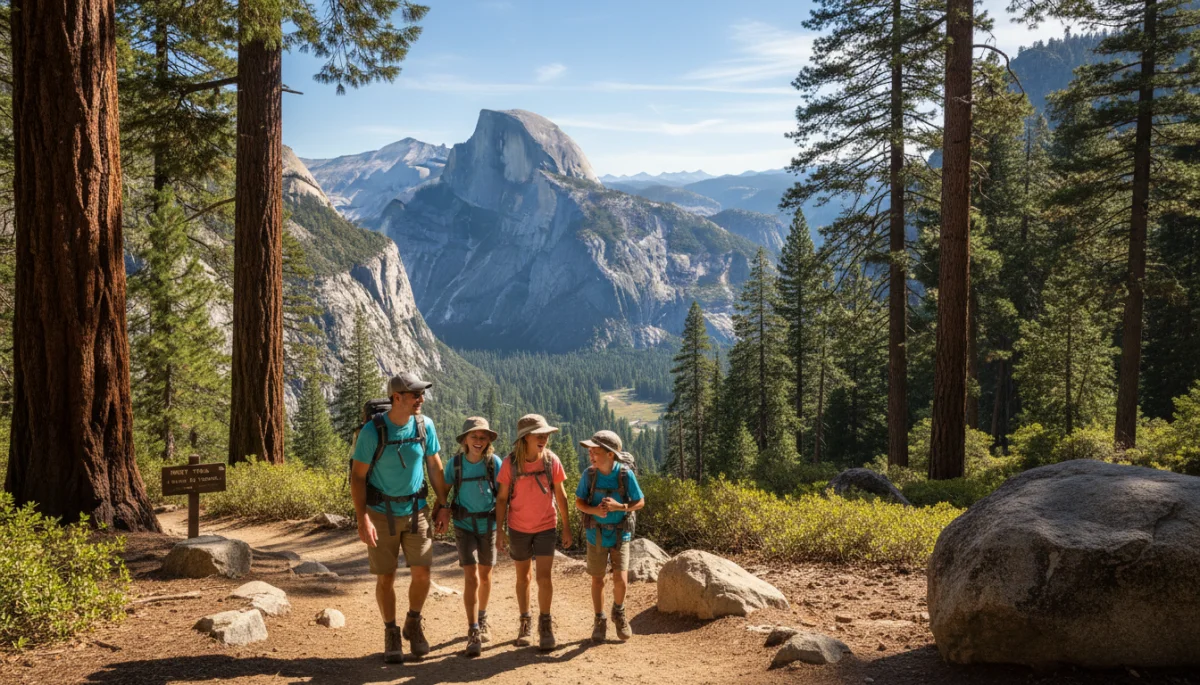
In-Person and Mail Options
For those who prefer not to purchase online, or need a pass immediately, in-person and mail options are also available.
- At Park Entrance Stations: Many national parks and federal recreation sites sell the America the Beautiful Pass directly at their entrance stations or visitor centers. This is an excellent option if you are planning an immediate visit and need the pass right away.
- Through Authorized Retailers: Some outdoor recreation stores and federal agency offices are authorized to sell the passes. Check the NPS website for a list of locations near you.
- By Mail: You can also purchase passes by mail through the USGS online store by printing an order form and sending it in with payment. This method typically takes the longest and should be initiated well in advance of the April 1 deadline.
No matter which method you choose, it’s essential to keep track of the April 1 deadline. Early action ensures that your 2026 pass is secured and ready for your adventures. Don’t let procrastination prevent you from exploring America’s incredible natural heritage.
In summary, registering for your 2026 U.S. National Park Pass is a simple process that can be completed online, in person, or by mail. Each method offers its own advantages, but the overarching principle is to act early to meet the April 1 deadline and guarantee your access to the nation’s parks.
Maximizing Your 2026 National Park Experience
Once you’ve successfully registered for your 2026 U.S. National Park Pass, the next exciting step is to plan how to make the most of it. A national park pass is more than just an entry ticket; it’s a gateway to unparalleled natural beauty, diverse ecosystems, and rich historical narratives. Maximizing your experience involves strategic planning, understanding park regulations, and embracing responsible tourism practices. It’s about creating lasting memories while respecting the environment.
With your pass in hand, the possibilities for adventure are virtually limitless. From hiking majestic trails and observing wildlife to exploring ancient ruins and relaxing in serene landscapes, the national parks offer something for everyone. Thoughtful preparation will elevate your visits from ordinary trips to extraordinary journeys.
Planning Your Park Adventures
Effective planning is crucial for a rewarding national park experience. Researching your chosen parks in advance can help you navigate crowds, discover hidden gems, and ensure you’re prepared for local conditions.
- Research Specific Parks: Each national park has unique features, attractions, and regulations. Visit the official NPS website for detailed information on operating hours, seasonal closures, trail conditions, and any required permits or reservations for popular activities.
- Consider the Season: Weather conditions and crowd levels vary significantly by season. Visiting during shoulder seasons (spring and fall) can offer pleasant weather and fewer visitors.
- Book Accommodations Early: Lodging within and near popular national parks can book up months in advance. Secure your campsites, cabins, or hotel rooms as soon as your travel dates are firm.
- Pack Appropriately: Be prepared for varying weather conditions, even on a single day. Pack layers, sturdy hiking shoes, plenty of water, snacks, and sun protection.
Remember that some parks, or specific areas within them, may require timed entry reservations during peak seasons. Always check the park’s official website for the most current information to avoid disappointment.
Responsible Tourism and Park Etiquette
As visitors to these precious lands, we all share a responsibility to protect them for future generations. Adhering to Leave No Trace principles and following park rules are fundamental to responsible tourism.
- Leave No Trace: Pack out everything you pack in. Stay on marked trails, dispose of waste properly, and minimize your impact on the environment.
- Respect Wildlife: Observe animals from a safe distance and never feed them. Feeding wildlife can alter their natural behaviors and create dangers for both animals and humans.
- Follow Park Rules: Adhere to all posted regulations, including those regarding pets, drones, campfires, and vehicle access. These rules are in place for your safety and the preservation of the park.
- Be Prepared and Self-Sufficient: Carry enough water, food, and emergency supplies. Cell service can be unreliable in many park areas, so don’t rely solely on your phone for navigation or communication.
By embracing these practices, you not only enhance your own experience but also contribute to the long-term health and beauty of the national parks. Your 2026 pass is an invitation to explore, but also a reminder of your role as a steward of these incredible places.
In essence, maximizing your 2026 national park experience goes beyond simply having a pass. It involves diligent planning, respecting the environment, and adhering to park guidelines. By doing so, you ensure unforgettable adventures while contributing to the preservation of America’s natural wonders.
Anticipating 2026: What’s New and Noteworthy in the National Parks
As we look ahead to 2026, the U.S. National Park Service continues to evolve, bringing new initiatives, improvements, and possibly even new designations to its vast network of protected areas. For those who register for 2026 U.S. National Park Passes before April 1, understanding these potential developments can enrich their travel planning and enhance their overall park experience. Staying informed about upcoming changes ensures you can take advantage of new opportunities and navigate any updated regulations.
Each year brings fresh perspectives and sometimes new challenges to park management. From infrastructure projects designed to improve visitor access to special events commemorating historical milestones, 2026 promises to be another dynamic year for the national parks. Being aware of these changes allows for more informed decision-making when planning your adventures.
Potential New Park Designations and Events
While specific announcements for 2026 are still emerging, the NPS is always working on projects that could affect future park visits. Keep an eye out for these types of developments:
- New National Park Designations: Occasionally, new national parks or monuments are established, offering entirely new destinations to explore. While rare, a new designation could introduce exciting opportunities for pass holders.
- Centennial Celebrations and Anniversaries: Many parks and historical sites will celebrate significant anniversaries in 2026. These events often come with special programs, exhibits, and community gatherings that offer unique cultural experiences.
- Infrastructure Improvements: Parks continuously undergo maintenance and upgrades. Expect to see improvements to trails, visitor centers, and campgrounds, which can enhance accessibility and comfort for visitors.
- Special Programs and Interpretive Offerings: Parks often introduce new ranger-led programs, educational workshops, and interpretive exhibits designed to deepen visitors’ understanding of their natural and cultural heritage.
Staying connected with official NPS news outlets and individual park websites is the best way to keep abreast of these exciting developments. These updates can significantly influence your travel plans and provide fresh reasons to visit.
Navigating Evolving Park Regulations
Park regulations are not static; they adapt to environmental concerns, visitor patterns, and safety requirements. Being aware of potential changes is crucial for a smooth visit.
- Timed Entry Systems: Increasingly, popular parks are implementing timed entry reservation systems during peak seasons to manage visitor flow and protect natural resources. These systems are separate from your annual pass and often require advance booking.
- Permit Requirements: Certain activities, such as backcountry camping, specific hiking trails, or river trips, may require special permits in addition to your park pass. Check well in advance for these requirements.
- Environmental Conservation Measures: Parks may implement new measures to protect sensitive ecosystems, such as restrictions on certain activities or areas. Respecting these measures is vital for conservation.
- Technological Integrations: Look for potential advancements in digital services, such as enhanced park apps, online information portals, or improved Wi-Fi access in visitor centers, which can aid in planning and navigation.
Proactive research before each park visit is your best defense against unexpected changes. Your 2026 U.S. National Park Pass is a key to access, but understanding the evolving landscape of park management ensures a seamless and enjoyable experience. The NPS website remains the authoritative source for all such information.
In conclusion, 2026 holds the promise of new discoveries and experiences within the national parks. By staying informed about potential new designations, events, and evolving regulations, those who register for their passes early can fully anticipate and prepare for an enriching year of exploration.
The Economic and Environmental Impact of National Park Passes
Beyond providing individual access and recreational opportunities, the sale and use of 2026 U.S. National Park Passes carry significant economic and environmental implications. Understanding these broader impacts can deepen your appreciation for the pass system and highlight the importance of supporting national parks through your purchases. Every pass sold contributes to a larger ecosystem of conservation and community benefit.
National parks are not just natural wonders; they are also economic engines for many rural communities and critical bastions of biodiversity. The revenue generated from passes and fees plays a vital role in maintaining these invaluable resources and supporting the local economies that surround them. Your decision to purchase a pass extends far beyond your personal adventure.
Supporting Conservation and Local Economies
The financial contributions from national park passes are directly channeled back into the parks, funding essential operations and initiatives.
- Park Maintenance and Infrastructure: A significant portion of pass revenue goes towards maintaining trails, roads, visitor centers, and other critical infrastructure, ensuring parks remain safe and accessible.
- Resource Protection: Funds support vital conservation efforts, including wildlife management, habitat restoration, and scientific research aimed at preserving the parks’ diverse ecosystems.
- Visitor Services: Pass revenue helps fund ranger programs, interpretive exhibits, and educational initiatives that enhance the visitor experience and foster environmental stewardship.
- Local Economic Boost: National parks attract millions of visitors annually, who in turn spend money on lodging, food, fuel, and local services in gateway communities. This tourism generates jobs and stimulates local economies, demonstrating the parks’ role as economic drivers.
By purchasing a national park pass, you become a direct contributor to the financial health and operational capacity of these protected areas, ensuring their continued existence and accessibility for future generations.
Promoting Sustainable Tourism Practices
The pass system also implicitly encourages more sustainable tourism by promoting longer, more planned visits rather than numerous single-entry payments. This can lead to a more profound connection with nature and a greater understanding of conservation.
- Reduced Transactional Waste: A single annual pass reduces the need for multiple paper tickets or individual transactions, contributing to less waste.
- Encouraging Longer Stays: The cost-effectiveness of an annual pass can encourage visitors to spend more time exploring different areas within a park or visiting multiple parks in a region, leading to a more immersive and less rushed experience.
- Fostering Environmental Awareness: Engagement with national parks often leads to increased environmental awareness and a desire to participate in conservation efforts, both locally and globally.
- Funding for Green Initiatives: As part of their operational budgets, parks often use revenue to fund green initiatives, such as renewable energy projects, waste reduction programs, and sustainable transportation options within park boundaries.
In essence, the national park pass is a tool for both personal enjoyment and collective responsibility. It facilitates access while simultaneously bolstering the financial and environmental sustainability of America’s most cherished landscapes. Registering for your 2026 pass is an act of supporting this vital cycle.
To conclude, the economic and environmental impacts of national park passes are far-reaching. They provide essential funding for park operations and conservation, while also stimulating local economies and promoting sustainable tourism practices. Your decision to register for a 2026 pass is a meaningful contribution to this larger mission.
Important Reminders and Next Steps Before April 1
As the April 1 deadline for registering for 2026 U.S. National Park Passes rapidly approaches, it’s crucial to consolidate all the vital information and outline clear next steps. This time-sensitive window is your opportunity to secure year-long access to America’s stunning natural landscapes and historical sites, ensuring your travel plans for the upcoming year are seamless and cost-effective. Don’t let this opportunity slip away.
Procrastination can lead to missed opportunities, potential inconveniences, and even higher costs. A final check of your eligibility, understanding of the pass benefits, and a clear plan for registration will ensure you are well-prepared for 2026. This section serves as a concise checklist to guide your final actions.
Final Checklist for Pass Registration
Before you proceed with your registration, take a moment to review these critical points to ensure a smooth process.
- Confirm Eligibility: Double-check the eligibility requirements for the specific pass you intend to purchase (e.g., Annual, Senior, Access, Military, 4th Grade). Ensure you meet all criteria.
- Verify Pass Benefits: Reconfirm what your chosen pass covers. While the America the Beautiful Pass is comprehensive, specific details regarding per-vehicle vs. per-person entry and additional amenities are important to understand.
- Choose Your Registration Method: Decide whether you will purchase your pass online via the USGS store, in person at a park or authorized retailer, or by mail. Select the method that best suits your timeline and preferences.
- Gather Necessary Information: Have all required personal details and payment information ready to expedite the registration process. For certain passes, proof of age, disability, or military service may be required.
- Check Shipping Times: If ordering online or by mail, factor in potential shipping delays to ensure your pass arrives well before any planned 2026 visits, especially if you’re cutting close to the April 1 deadline.
By ticking off each item on this checklist, you minimize the chances of errors or delays, guaranteeing your pass is secured efficiently.
Why April 1 is a Firm Deadline
The April 1 deadline is not merely a suggestion; it is a critical administrative cutoff that ensures the efficient processing and distribution of passes for the upcoming year. While you might still be able to acquire passes after this date, the emphasis on early registration is due to several practical considerations.
- Administrative Processing: Processing a large volume of pass applications requires time. An early deadline helps the NPS manage this workload effectively, preventing backlogs.
- Budgeting and Planning: Early registration data helps the NPS and related federal agencies with their annual budgeting and resource allocation for the parks, directly impacting maintenance and visitor services.
- Potential for Policy Changes: Although not guaranteed, deadlines can sometimes precede policy changes or adjustments to pass programs. Securing your pass early insulates you from any such unforeseen modifications.
- Ensuring Availability: While passes rarely ‘sell out,’ ensuring your registration by April 1 guarantees your access without the stress of potential last-minute rushes or system overloads.
In essence, the April 1 deadline is a call to action for preparedness. It underscores the importance of proactive planning in securing your access to America’s national parks for 2026, ensuring that your adventures are well-supported and hassle-free. Don’t delay; act now to embark on a year of exploration.
In conclusion, the April 1 deadline for registering for 2026 U.S. National Park Passes is a critical date for all aspiring park visitors. By following a clear checklist and understanding the importance of this cutoff, you can ensure a smooth process and prepare for an unforgettable year of outdoor adventures.
| Key Point | Brief Description |
|---|---|
| April 1 Deadline | Crucial date to register for 2026 U.S. National Park Passes to ensure timely access and avoid potential issues. |
| Pass Benefits | Covers entrance fees at national parks and federal recreational lands, saving money and streamlining entry. |
| Registration Methods | Available online via USGS, in-person at parks/retailers, or by mail; choose the best option for your needs. |
| Maximize Experience | Plan visits, research parks, book accommodations early, and practice Leave No Trace principles. |
Frequently Asked Questions About 2026 National Park Passes
The April 1 deadline is crucial for administrative processing and planning by the National Park Service. Registering by this date helps ensure timely delivery of your pass and allows the NPS to better forecast resources for the upcoming year, contributing to efficient park management and visitor services.
Several passes are available, including the Annual Pass (most common), Senior Pass (for those 62+), Access Pass (for those with permanent disabilities), Military Pass (for service members/veterans), and the 4th Grade Pass. Each has specific eligibility requirements and benefits, so choose the one that best fits your situation.
Passes can be purchased online through the official USGS store, in person at participating national parks and federal recreation sites, or from authorized retailers. For mail orders, use the USGS online store’s printable form. Online purchase is often the most convenient option.
The America the Beautiful Pass covers entrance fees at national parks and national wildlife refuges, plus standard amenity fees at national forests, grasslands, and lands managed by the BLM, Bureau of Reclamation, and U.S. Army Corps of Engineers. It typically does not cover expanded amenity fees like camping, tours, or special permits.
While the America the Beautiful Pass is generally available year-round, missing the April 1 deadline for 2026 could mean potential delays in receiving your pass, especially if ordered online. It’s always best to register early to avoid any last-minute complications and ensure your pass is ready for your adventures.
Conclusion
As the April 1 deadline for securing your 2026 U.S. National Park Passes rapidly approaches, the message is clear: proactive planning is paramount for anyone wishing to explore the magnificent natural and cultural heritage of the United States. This time-sensitive registration is not merely a formality but a strategic step that ensures seamless access, budget efficiency, and peace of mind for your upcoming adventures. By understanding the various pass options, utilizing official registration channels, and adhering to responsible tourism practices, you contribute to the preservation of these invaluable lands while creating unforgettable memories. Don’t delay; secure your pass now and prepare for a year of unparalleled exploration and discovery across America’s breathtaking national parks.
