Route 66 Centennial: Lasting Cultural Significance & Preservation
The 2026 Centennial of Route 66 marks a pivotal moment to reflect on its profound cultural impact and ongoing preservation challenges, ensuring its legacy for future generations.
Por: Marcelle em 23 de setembro de 2026
The 2026 Centennial of Route 66 marks a pivotal moment to reflect on its profound cultural impact and ongoing preservation challenges, ensuring its legacy for future generations.
As the year 2026 approaches, anticipation builds for the Route 66 Centennial, a landmark celebration of America’s most iconic highway. This centennial offers a unique opportunity to re-examine the road’s profound cultural significance and the critical efforts underway to preserve its historical integrity for future generations.
The Genesis of an American Icon: Route 66’s Early Years
Route 66, officially established on November 11, 1926, quickly became more than just a ribbon of asphalt connecting Chicago to Los Angeles. It was a symbol of hope, opportunity, and the adventurous spirit of the American people. Its creation was a direct response to the burgeoning automobile industry and the nation’s need for a standardized, transcontinental highway system.
The road’s initial purpose was practical: to provide a direct route for farmers to get their produce to market and to facilitate commerce across the vast American landscape. However, it soon transformed into a vital artery for migration during the Dust Bowl era, carrying families seeking a new life in California. This period cemented its image as the “Mother Road,” a path of both hardship and new beginnings.
Building the Dream: Construction and Early Travelers
The construction of Route 66 was a monumental undertaking, piecing together existing state and local roads, and often paving new sections through challenging terrain. Early travelers faced unpaved sections, primitive accommodations, and unpredictable conditions, yet the allure of the open road and the promise of the West continued to draw them.
1926: Official designation of U.S. Highway 66.
1930s: The Dust Bowl migration solidifies Route 66’s humanitarian role.
Post-WWII: Becomes a popular vacation route, symbolizing freedom and adventure.
These early years laid the foundation for the legend of Route 66, shaping its identity not just as a transportation route, but as a living monument to American resilience and wanderlust. The stories of those who traveled its dusty paths became integral to the road’s evolving narrative.
Cultural Impact: Shaping American Identity and Pop Culture
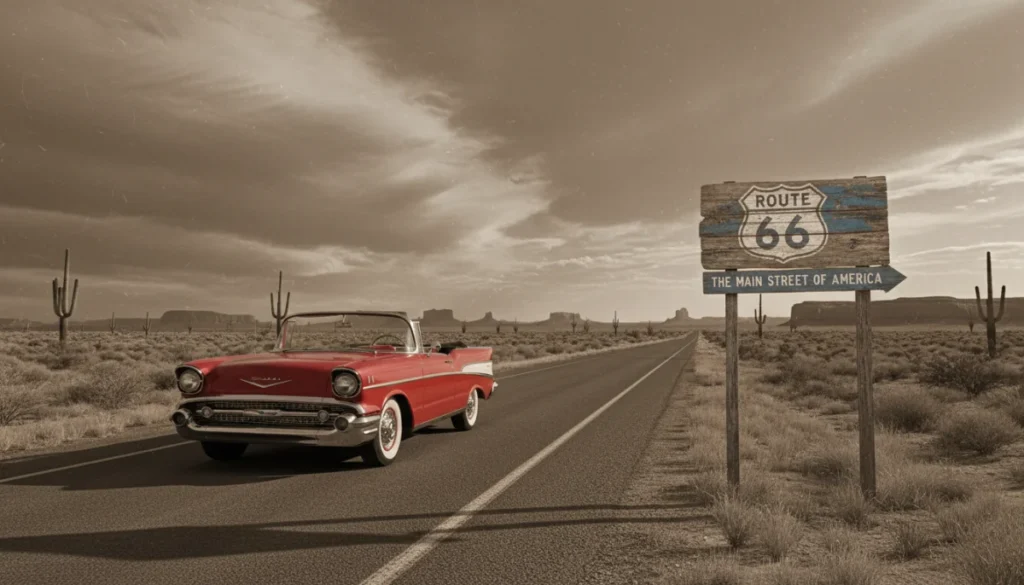
Route 66’s influence extends far beyond its physical path, deeply embedding itself into the fabric of American culture. It has inspired countless songs, books, movies, and television shows, becoming a powerful symbol of freedom, adventure, and the quintessential American road trip. The road offered a unique cross-section of American life, from bustling cities to quiet small towns, each with its own distinct character.
From John Steinbeck’s “The Grapes of Wrath” to Bobby Troup’s iconic song “(Get Your Kicks on) Route 66,” the highway provided a rich tapestry of narratives. It captured the imagination of artists and ordinary people alike, reflecting the nation’s changing aspirations and anxieties throughout the 20th century. The allure of roadside attractions, quirky diners, and neon-lit motels became synonymous with the Route 66 experience.
The Allure of the Open Road: Music, Film, and Literature
The romanticism of Route 66 resonated deeply with musicians and filmmakers, who immortalized its spirit in their works. The sense of boundless possibility and the journey of self-discovery became recurring themes, drawing audiences into its mystique. This cultural portrayal helped to cement Route 66’s status as a legendary pathway.
Musical Legacy: Songs like “(Get Your Kicks on) Route 66” became anthems for travelers.
Cinematic Portrayals: Films depicted both the hardship and the romance of the road.
Literary Inspiration: Novels used Route 66 as a backdrop for tales of migration and hope.
The road’s cultural impact continues to thrive, even decades after its official decommissioning. Its imagery and narratives remain potent symbols, inviting new generations to explore its history and experience its unique charm. This enduring appeal is a testament to its profound place in the American psyche.
Decommissioning and the Rise of Preservation Efforts
The Interstate Highway System, beginning in the 1950s, gradually rendered much of Route 66 obsolete for long-distance travel. Faster, more direct interstates bypassed many of the small towns that had thrived on Route 66 traffic, leading to economic decline and the abandonment of many historic roadside businesses. By 1985, Route 66 was officially decommissioned, removed from the U.S. Highway System maps.
However, its disappearance from official maps did not erase its presence from the hearts of many. A grassroots movement began to emerge, fueled by nostalgia and a deep understanding of the road’s historical and cultural significance. This movement sought to preserve the remaining sections of Route 66, recognizing their value beyond mere transportation.
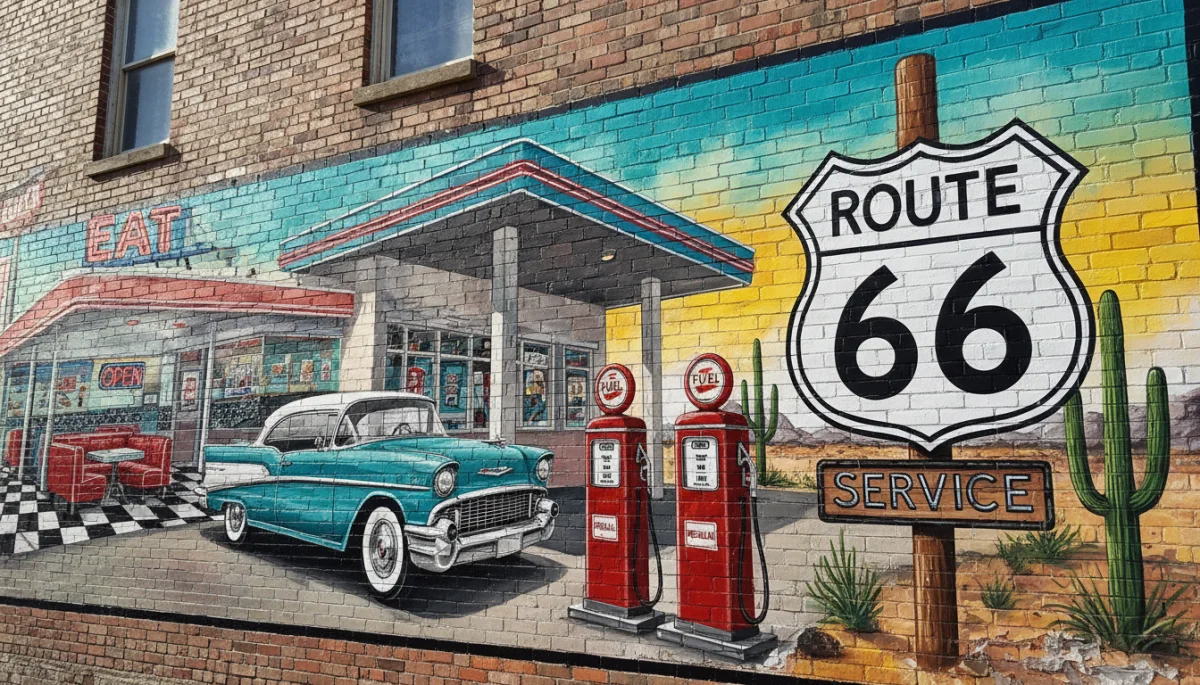
Efforts quickly materialized into organized preservation societies and associations across the eight states it traversed. These groups worked tirelessly to identify, protect, and restore historic landmarks, from diners and motels to service stations and quirky attractions. Their dedication ensured that the legacy of the Mother Road would not be lost to time.
Challenges and Triumphs in Preservation
Preservation has not been without its challenges. Funding, conflicting local interests, and the sheer scale of the road’s length have posed significant hurdles. Yet, the passion of advocates has led to numerous successes, including the designation of many segments as “Historic Route 66” and the revitalization of many roadside attractions.
Funding Shortfalls: Constant need for resources to restore and maintain sites.
Local Engagement: Encouraging community involvement in preservation projects.
Infrastructure Decay: Battling the natural deterioration of old buildings and road sections.
The ongoing preservation efforts are crucial for the 2026 Centennial. They ensure that when visitors come to celebrate, they will find not just remnants, but living, breathing pieces of history. These dedicated groups are the guardians of Route 66’s past and the architects of its future.
The Economic and Tourism Revival of Route 66
Despite its decommissioning, Route 66 has experienced a remarkable resurgence as a tourist destination. Travelers from around the world are drawn to its nostalgic charm, seeking an authentic American road trip experience that the interstates cannot provide. This renewed interest has spurred economic revitalization in many of the small towns along its path.
Local businesses, once struggling or abandoned, are finding new life as tourists seek out vintage diners, unique shops, and historic motels. This tourism economy provides much-needed revenue, creates jobs, and helps to sustain the communities that Route 66 once connected. The road has become a powerful magnet for heritage tourism, proving that history can be a viable economic engine.
Impact on Small Towns and Local Economies
The economic impact of Route 66 tourism is particularly significant for the rural communities it traverses. These towns, often overlooked by modern travel, benefit immensely from the influx of visitors eager to explore their unique heritage. The road provides a lifeline, connecting them to a global audience.
Job Creation: New opportunities in hospitality, retail, and heritage services.
Business Revitalization: Reopening and restoration of historic businesses.
Community Pride: Renewed sense of identity and purpose in local areas.
The centennial year is expected to bring an unprecedented number of visitors, further boosting these local economies. It’s a chance for these communities to showcase their unique contributions to the Route 66 story and to solidify their place on the map for years to come.
Preparing for the 2026 Centennial Celebration
With the 2026 Centennial of Route 66 rapidly approaching, preparations are in full swing across the eight states and numerous communities along its historic path. This milestone event is seen as a pivotal moment to not only celebrate the road’s past but also to shape its future. Planning committees, preservation groups, and local governments are collaborating on a wide array of initiatives.
These preparations include extensive restoration projects, development of new interpretive centers, and the organization of special events designed to draw visitors and educate the public about Route 66’s enduring legacy. The goal is to make the centennial a truly memorable and impactful celebration that honors its historical significance while looking forward to its continued relevance.
Centennial Initiatives and Events
From major festivals to local gatherings, the centennial will feature diverse events catering to all interests. These initiatives aim to engage both long-time enthusiasts and new generations, ensuring that the story of Route 66 continues to be told and experienced.
Infrastructure Upgrades: Paving and signage improvements on historic segments.
Educational Programs: New museums and exhibits detailing the road’s history.
Community Festivals: Special events in towns along the route, featuring music, food, and local culture.
The centennial serves as a powerful catalyst for renewed interest and investment in Route 66. It’s an opportunity to highlight the collaborative spirit that has sustained the road for nearly a century and to inspire future generations to cherish and protect this American treasure.
The Future of Route 66: Sustaining a Living Legend
As the 2026 Centennial approaches, discussions turn to the long-term sustainability of Route 66. Beyond the celebrations, the challenge lies in ensuring that the road remains a vibrant, accessible, and historically accurate destination for decades to come. This involves continuous preservation, innovative tourism strategies, and educational outreach.
The future of Route 66 hinges on striking a delicate balance between modernization and maintaining its authentic, historic character. New technologies can enhance the visitor experience, but they must be integrated carefully to avoid diluting the very essence that makes Route 66 so special. Engaging younger generations is also critical to ensuring its lasting appeal.
Innovation and Adaptation for the Next Century
To remain relevant, Route 66 must adapt while staying true to its roots. This means embracing new ways to tell its story, using digital platforms to share its history, and developing sustainable tourism practices that benefit both visitors and local communities.
Digital Storytelling: Interactive apps and online resources for travelers.
Sustainable Tourism: Promoting responsible travel that respects local communities and environments.
Youth Engagement: Educational programs and events designed to attract younger visitors.
The centennial is not an endpoint but a launching pad for the next chapter of Route 66. With careful planning and dedicated efforts, the Mother Road can continue to inspire, educate, and offer unforgettable journeys for another hundred years, cementing its status as a truly living legend of American history and culture.
Key Aspect
Description
Cultural Significance
Route 66 symbolizes American freedom, adventure, and resilience, inspiring countless works of art and literature.
Preservation Efforts
Grassroots movements and organizations work to restore and maintain historic segments, diners, and attractions.
Economic Revival
Tourism driven by nostalgia and heritage has revitalized small towns and local businesses along the route.
Centennial Preparations
Extensive planning for 2026 includes restoration, new exhibits, and numerous celebratory events.
Frequently Asked Questions About Route 66
What is the primary significance of the 2026 Route 66 Centennial?▼
The 2026 Centennial marks 100 years since Route 66 was established. It’s a crucial moment to celebrate its historical role in American migration, commerce, and culture, while also highlighting ongoing efforts to preserve its iconic landmarks and unique heritage for future generations.
Why is Route 66 called the “Mother Road”?▼
The nickname “Mother Road” was coined by John Steinbeck in his novel “The Grapes of Wrath.” It refers to Route 66’s vital role during the Dust Bowl era, serving as the main migratory path for thousands of families fleeing economic hardship in the Midwest to seek new opportunities in California.
Are all parts of the original Route 66 still accessible today?▼
While Route 66 was officially decommissioned in 1985, many segments, particularly those designated as “Historic Route 66,” are still accessible and well-maintained. Travelers can experience significant portions of the original road, though some sections have been lost or integrated into other highways.
What are the main challenges in preserving Route 66?▼
Key challenges include securing consistent funding for restoration projects, combating the natural deterioration of aging infrastructure, and coordinating efforts across multiple states and local communities. Balancing historical accuracy with modern visitor expectations also presents a complex task for preservationists.
How does Route 66 contribute to local economies today?▼
Route 66 acts as a significant heritage tourism driver, attracting visitors globally. This influx supports local businesses such as diners, motels, and souvenir shops in the small towns along its route, creating jobs and fostering a renewed sense of community pride and economic vitality.
Conclusion
The upcoming 2026 Centennial of Route 66 stands as a powerful testament to its enduring legacy. More than just a highway, it represents a profound chapter in American history, embodying the spirit of adventure, resilience, and cultural evolution. The dedicated efforts in preservation and the renewed interest from travelers worldwide ensure that the Mother Road will continue to inspire and captivate for generations to come, reminding us of the unique stories etched into its pavement.