Solving the Social Connection Crisis: Building Stronger Communities
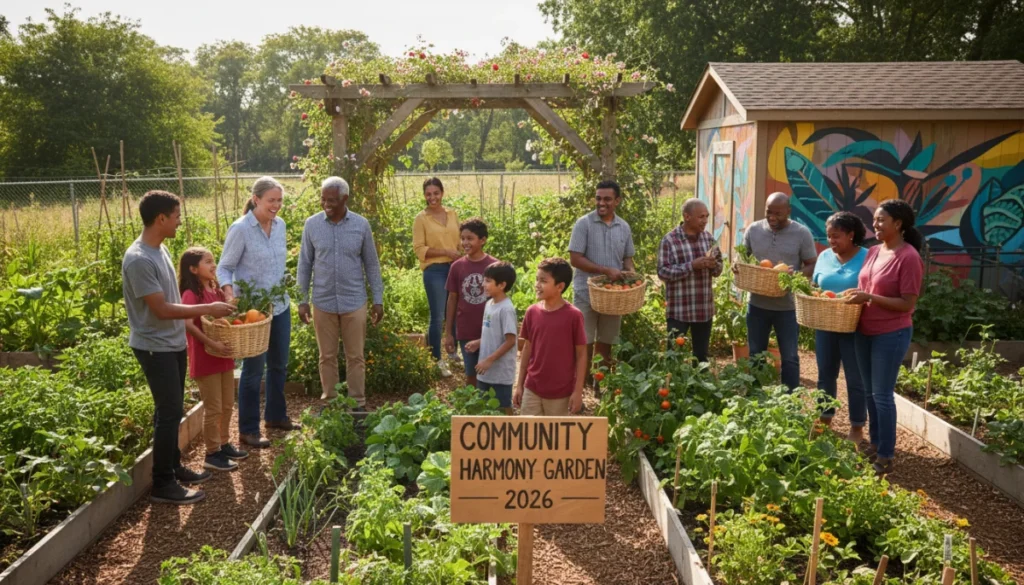
Americans are actively addressing the social connection crisis in 2026 by embracing innovative approaches to community building, fostering stronger bonds and enhancing collective well-being.
The contemporary landscape often presents challenges to genuine human interaction, leading many to grapple with feelings of isolation. However, a significant shift is underway as Americans actively seek and implement practical strategies to counteract the social connection crisis, fostering more robust and supportive communities in 2026.
Reigniting Local Engagement: The Power of Proximity
In an increasingly digital world, the importance of local, in-person connections has become more apparent. Many Americans are rediscovering the value of their immediate neighborhoods, transforming passive residency into active participation. This renewed focus on proximity is laying the groundwork for stronger, more resilient communities.
Neighborhood initiatives and shared spaces
Local initiatives are proving to be powerful catalysts for connection. From revitalized community centers to pop-up markets, these shared spaces offer natural environments for neighbors to interact, share resources, and build relationships that extend beyond casual greetings.
- Community gardens: These spaces not only provide fresh produce but also serve as meeting points, fostering collaboration and shared purpose among residents.
- Local events: Regular block parties, farmers’ markets, and cultural festivals are drawing people out of their homes and into collective experiences.
- Skill-sharing workshops: Neighbors are organizing informal sessions to teach and learn new skills, creating bonds through mutual learning and shared interests.
The emphasis on localized interaction is not merely about convenience; it’s about intentionally creating opportunities for spontaneous and structured encounters. These small, consistent efforts accumulate, weaving a tighter social fabric that can withstand the isolating pressures of modern life. This commitment to local engagement ensures that the foundations of community are built on genuine human contact.
Leveraging Technology for Authentic Connection, Not Isolation
While technology is often blamed for fostering disconnection, many Americans are now strategically using digital tools to enhance, rather than replace, real-world social bonds. The key lies in intentional application, transforming platforms from mere consumption tools into powerful enablers of community building.
Digital platforms for real-world meetups
Online groups and apps are being repurposed to facilitate offline interactions. Instead of endless scrolling, users are finding and organizing events, interest groups, and volunteer opportunities that bring people together face-to-face. This hybrid approach optimizes reach while prioritizing authentic engagement.
For instance, hyper-local social networks are thriving, allowing residents to discuss neighborhood issues, share recommendations, and coordinate events. These platforms act as digital town squares, bridging communication gaps and mobilizing collective action. The successful integration of technology means using it as a stepping stone to physical presence, making it easier for individuals to find their tribe.
The shift is from passive consumption of online content to active participation in digitally-enabled, real-world interactions. This mindful approach to technology is helping to counteract the pervasive sense of digital isolation and is proving to be a critical component in addressing the social connection crisis.
Intergenerational Bridges: Connecting Ages for Mutual Benefit
Recognizing the rich tapestry of experiences within communities, Americans are increasingly focusing on initiatives that bring different age groups together. Breaking down generational silos fosters empathy, shared understanding, and a stronger collective identity, enriching the lives of both younger and older residents.
Mentorship programs and shared activities
Formal and informal mentorship programs are gaining traction, allowing younger individuals to benefit from the wisdom and experience of elders, while seniors find renewed purpose and engagement. These interactions often occur through structured community programs or spontaneous neighborhood connections.
- Storytelling sessions: Older adults share life stories with younger generations, preserving history and building emotional connections.
- Tech support exchanges: Younger residents assist seniors with digital literacy, while receiving life advice or practical skills in return.
- Joint volunteering: All ages collaborate on community service projects, fostering shared responsibility and collective achievement.
These intergenerational initiatives challenge preconceived notions and create a more inclusive community where every age group feels valued and integrated. The benefits are reciprocal, leading to reduced loneliness for seniors and enhanced social-emotional development for youth. This collaborative spirit is essential for building communities that thrive on diverse perspectives and mutual support, directly confronting the challenges of the social connection crisis.
Mindful Engagement: Prioritizing Quality Over Quantity
In a world often driven by superficial interactions, there’s a growing movement towards mindful engagement, where individuals prioritize the depth and quality of their connections over the sheer number of acquaintances. This shift emphasizes genuine presence and intentional interaction, leading to more meaningful relationships.
Small groups and intentional gatherings
Many are finding solace and strength in smaller, more intimate groups focused on shared values, hobbies, or personal growth. These gatherings allow for deeper conversations, greater vulnerability, and the development of strong, trust-based relationships that are fundamental to human well-being.
Whether it’s a book club, a hiking group, or a support network, the emphasis is on creating spaces where individuals feel truly seen and heard. This intentional approach to connection stands in stark contrast to the often-fragmented interactions of larger social circles, offering a powerful antidote to isolation. By cultivating these high-quality connections, Americans are actively building a more resilient social fabric. This deliberate effort helps individuals navigate the complexities of modern life with a strong support system.
The Role of Community Hubs: Spaces for Collective Flourishing
Beyond individual initiatives, the re-emergence and strengthening of dedicated community hubs are playing a pivotal role in fostering connection. These physical spaces serve as anchors, providing resources and opportunities for collective flourishing, and acting as central points for people to gather and interact purposefully.
Libraries, community centers, and co-working spaces
Modern libraries are no longer just repositories for books; they are vibrant community centers offering workshops, events, and collaborative spaces. Similarly, traditional community centers are being revitalized with diverse programming that caters to all ages and interests, becoming true melting pots of local life.
Furthermore, the rise of localized co-working spaces, often integrated with cafes or public areas, encourages professionals to connect and collaborate, combating the isolation sometimes associated with remote work. These hubs are designed to be welcoming and accessible, breaking down barriers to interaction and providing neutral ground for diverse groups to meet. They exemplify a proactive approach to addressing the social connection crisis by making interaction a natural part of daily life.
Cultivating Empathy and Inclusivity: Foundations of Strong Bonds
At the heart of building stronger communities is the conscious effort to cultivate empathy and ensure inclusivity. Without these foundational elements, connections can remain superficial or exclusive. Americans are increasingly recognizing that true community thrives on understanding, acceptance, and a genuine desire to uplift all members.
Active listening and diverse perspectives
Promoting active listening and encouraging the sharing of diverse perspectives are crucial. Community dialogues, moderated discussions, and forums that genuinely welcome different viewpoints help bridge divides and build a deeper sense of mutual respect. This involves creating safe spaces where individuals feel comfortable expressing themselves without fear of judgment.
Initiatives focused on cultural exchange, diversity training, and anti-bias education are also becoming more prevalent within communities. These programs aim to dismantle barriers and foster an environment where everyone feels they belong. By actively working towards a more empathetic and inclusive society, Americans are not just building communities, but truly strengthening the bonds that hold them together, directly tackling the roots of the social connection crisis.
| Key Approach | Brief Description |
|---|---|
| Local Engagement | Focusing on neighborhood activities and shared spaces to foster in-person connections. |
| Smart Tech Use | Using digital platforms to organize and enhance real-world social interactions. |
| Intergenerational Bridges | Creating programs and activities that connect different age groups for mutual benefit. |
| Mindful Engagement | Prioritizing depth and quality of relationships through intentional small group interactions. |
Frequently asked questions about community building
The social connection crisis refers to the widespread issue of declining genuine human interaction and increasing feelings of loneliness and isolation across society. It impacts mental health, community resilience, and overall well-being, prompting renewed efforts to foster stronger bonds.
Start by exploring local community centers, libraries, and online neighborhood groups. Attend local events like farmers’ markets or block parties. Volunteer for a cause you care about, or simply strike up conversations with your neighbors. Small steps can lead to significant involvement.
Yes, when used intentionally. Technology can facilitate community building by connecting people with shared interests, organizing local events, and enabling communication among neighbors. The key is to leverage digital tools to drive real-world interactions and not replace them.
Intergenerational connections foster empathy, share diverse perspectives, and provide mutual benefits. Younger individuals gain wisdom and guidance, while older adults find purpose and reduce loneliness. These bonds strengthen the social fabric and create a more inclusive, supportive community for everyone.
Mindful engagement prioritizes the quality and depth of social interactions over quantity. It involves intentionally seeking out meaningful connections in smaller groups, fostering genuine presence, and building trust-based relationships. This approach leads to more profound and satisfying social bonds.
Conclusion
The journey to overcome the social connection crisis in America by 2026 is a multifaceted endeavor, requiring intentional effort from individuals and communities alike. Through reigniting local engagement, leveraging technology mindfully, bridging generational gaps, prioritizing quality over quantity in interactions, strengthening community hubs, and cultivating empathy, Americans are actively forging stronger, more resilient social bonds. These practical strategies not only combat isolation but also lay the groundwork for a more cohesive and supportive society where everyone can thrive.
