Sustainable Living in 2026: 7 Practical Solutions for a Greener American Home
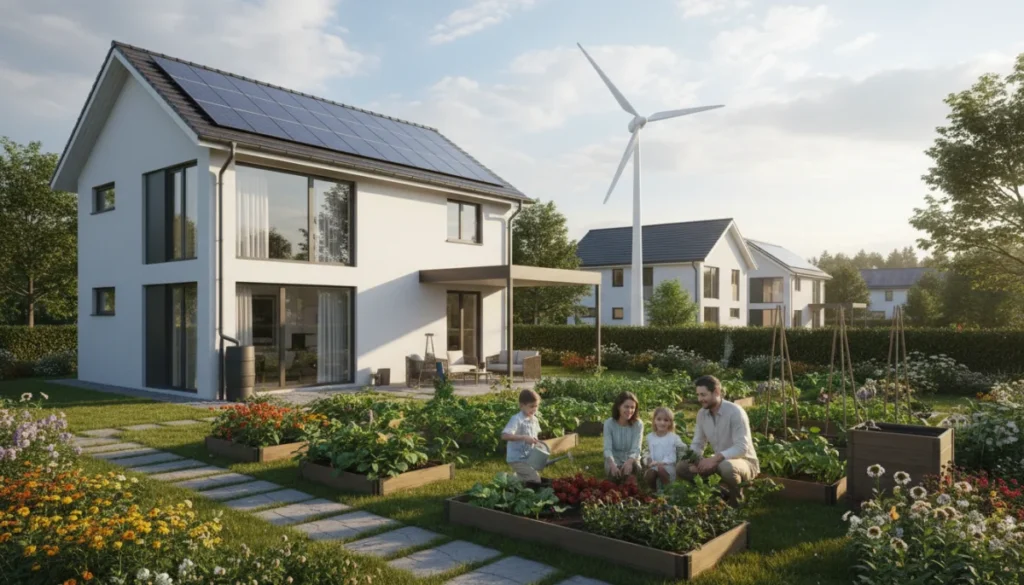
Embracing sustainable living in 2026 involves adopting practical solutions that significantly reduce your environmental impact and foster a greener American home.
Are you ready to transform your home into a beacon of environmental responsibility? In 2026, adopting sustainable living solutions is more accessible and crucial than ever. This guide provides seven practical ways to make your American home greener, reducing your ecological footprint while often saving money.
Embracing Renewable Energy Sources for Your Home
Transitioning to renewable energy is perhaps one of the most impactful steps homeowners can take towards sustainability. The technology has advanced significantly, making solar and wind power more efficient and affordable. Investing in these systems not only reduces reliance on fossil fuels but also often leads to substantial long-term savings on utility bills.
Solar panels, for instance, capture sunlight and convert it into electricity, powering your entire home or supplementing your existing grid connection. Many states offer incentives and tax credits, making the initial investment more manageable. Wind turbines, while less common for individual homes, are also an option for those in suitable geographical locations, providing another clean energy alternative.
Solar Panel Installation and Benefits
- Reduced Carbon Footprint: Significantly lowers greenhouse gas emissions associated with electricity generation.
- Lower Energy Bills: Generates free electricity from the sun, reducing or eliminating monthly utility costs.
- Increased Home Value: Homes with solar installations often command higher resale values.
- Energy Independence: Less susceptible to power outages and fluctuations in energy prices.
Exploring local and federal programs for renewable energy is a smart first step. Many utility companies also offer net metering, allowing you to sell excess electricity generated back to the grid. This can turn your home into a mini power plant, contributing to a more resilient and sustainable energy infrastructure.
Optimizing Water Usage Through Smart Systems
Water conservation is a cornerstone of sustainable living, especially in regions facing drought or water scarcity. Modern technology offers numerous solutions to monitor and reduce household water consumption without sacrificing convenience. From low-flow fixtures to smart irrigation, every drop saved contributes to a healthier planet.
Installing low-flow showerheads, toilets, and faucets can drastically cut down on daily water use. These fixtures are designed to deliver efficient performance with less water, often without noticeable differences in pressure or effectiveness. Beyond fixtures, smart irrigation systems utilize weather data and soil moisture sensors to water lawns and gardens only when necessary, preventing overwatering and waste.
Advanced Water-Saving Technologies
- Rainwater Harvesting: Collecting and storing rainwater for irrigation or non-potable uses.
- Greywater Recycling: Reusing water from sinks and showers for landscaping purposes.
- Leak Detection Systems: Alerts homeowners to leaks, preventing significant water loss and damage.
- Water-Efficient Appliances: Choosing washing machines and dishwashers with ENERGY STAR ratings.
Regular maintenance of plumbing systems to fix leaks promptly is also vital. A small drip can waste gallons of water over time. By combining efficient fixtures with smart management systems, American homes can significantly reduce their water footprint, ensuring this precious resource is used responsibly.
Enhancing Home Insulation and Energy Efficiency
A well-insulated home is a comfortable home, and it’s also an energy-efficient one. Proper insulation minimizes heat transfer, keeping your home warmer in winter and cooler in summer, thereby reducing the need for excessive heating and cooling. This directly translates to lower energy consumption and a smaller carbon footprint.
Insulation can be improved in various areas, including attics, walls, floors, and windows. Upgrading to double or triple-pane windows can prevent significant heat loss or gain. Sealing air leaks around doors and windows with weatherstripping and caulk is another simple yet effective measure. These improvements not only save energy but also enhance indoor comfort and reduce external noise.
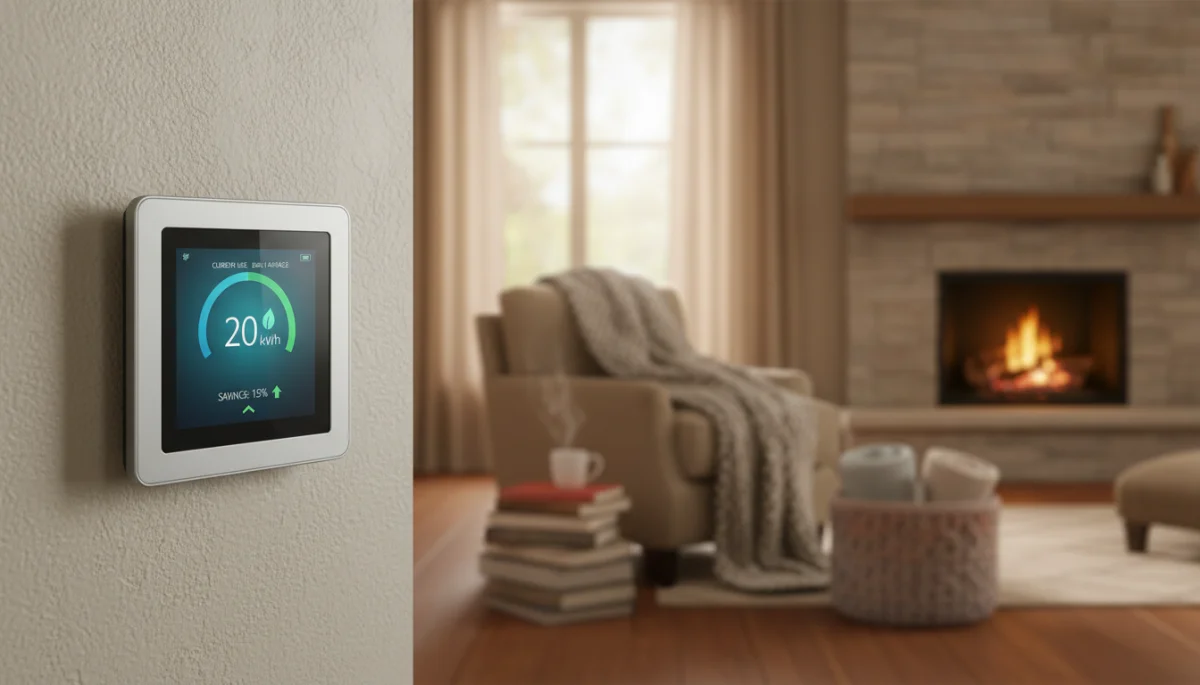
Key Areas for Insulation Improvement
- Attic Insulation: Often the easiest and most cost-effective area to improve.
- Wall Insulation: Can involve blowing in insulation or adding rigid foam boards.
- Window Upgrades: Replacing old, single-pane windows with energy-efficient models.
- Door Seals: Ensuring tight seals to prevent drafts and heat exchange.
A home energy audit can identify specific areas where your home is losing energy. Professionals can use thermal imaging to pinpoint gaps and recommend the most effective solutions. Investing in these upgrades provides long-term benefits, both environmentally and financially, making your home a model of energy efficiency.
Adopting Smart Home Technology for Resource Management
Smart home technology has evolved beyond mere convenience; it’s now a powerful tool for sustainable living. Devices such as smart thermostats, lighting systems, and smart plugs allow homeowners to monitor and control their energy and resource consumption with unprecedented precision. These technologies empower you to make informed decisions that reduce waste.
Smart thermostats learn your preferences and adjust heating and cooling schedules based on occupancy and external weather conditions, optimizing energy use. Smart lighting systems can be programmed to turn off when rooms are empty or dim when natural light is abundant. Smart plugs can cut power to electronics when not in use, eliminating phantom load, which is the electricity consumed by devices even when they are turned off.
The integration of these devices into a cohesive smart home ecosystem allows for automated and highly efficient resource management. Many systems provide detailed reports on energy usage, helping homeowners identify patterns and areas for further improvement. This level of control not only saves money but also significantly reduces your home’s overall environmental impact.
Cultivating a Sustainable Garden and Landscape
Your outdoor space offers immense potential for sustainable living, transforming your yard into an eco-friendly oasis. Sustainable gardening practices reduce water consumption, eliminate harmful chemicals, and support local biodiversity. This approach benefits not only the environment but also provides a beautiful and healthy outdoor environment for your family.
Opting for native plants is a crucial step. These species are naturally adapted to the local climate and soil conditions, requiring less water, fertilizer, and pest control. Xeriscaping, a landscaping method that reduces or eliminates the need for irrigation, is particularly effective in arid regions. Composting kitchen and yard waste enriches your soil naturally, reducing the need for chemical fertilizers.
Sustainable Landscaping Practices
- Native Plant Selection: Choose plants indigenous to your region for lower maintenance.
- Composting: Create nutrient-rich soil from organic waste.
- Drought-Tolerant Landscaping: Utilize xeriscaping principles to minimize water use.
- Rain Gardens: Designed to capture and filter rainwater runoff, replenishing groundwater.
Creating habitats for local wildlife, such as bird feeders and pollinator-friendly plants, also contributes to ecological balance. By transforming your garden into a sustainable landscape, you enhance your home’s aesthetic appeal while actively promoting environmental health and biodiversity.
Minimizing Waste Through Recycling and Composting
Reducing household waste is a fundamental aspect of sustainable living. The average American household generates a significant amount of waste, much of which can be recycled or composted instead of ending up in landfills. Implementing effective waste management strategies at home can dramatically lessen your environmental footprint.
Establishing a robust recycling system for plastics, paper, glass, and metals is essential. Understanding your local recycling guidelines will ensure that items are properly sorted and accepted. Beyond recycling, composting food scraps and yard waste diverts organic materials from landfills, where they would otherwise produce methane, a potent greenhouse gas. Composted material enriches soil, reducing the need for chemical fertilizers.
Furthermore, consider ways to reduce waste at the source. This includes buying products with minimal packaging, choosing reusable items over disposables, and repairing broken items instead of replacing them. The ‘reduce, reuse, recycle’ hierarchy remains a powerful guideline for minimizing your impact.
Adopting Eco-Friendly Building Materials and Furnishings
When renovating or furnishing your home, the choices you make regarding materials can have a significant environmental impact. Opting for eco-friendly building materials and furnishings supports sustainable practices, reduces exposure to harmful chemicals, and often results in a healthier indoor environment. This trend is rapidly gaining momentum, with more options available than ever before.
Look for materials that are recycled, sustainably sourced, or have a low environmental impact throughout their lifecycle. Examples include reclaimed wood, bamboo flooring, recycled glass countertops, and paints with low volatile organic compounds (VOCs). These materials not only contribute to a greener home but often offer unique aesthetic qualities and durability.
Choosing Sustainable Home Elements
- Reclaimed Materials: Utilize salvaged wood, metal, and stone for unique, eco-conscious designs.
- Sustainable Wood Products: Look for FSC-certified timber, ensuring responsible forest management.
- Low-VOC Paints and Finishes: Reduce indoor air pollution and chemical exposure.
- Natural Fibers: Select furniture and textiles made from organic cotton, hemp, or wool.
Beyond building materials, choose furniture and decor made from sustainable and non-toxic sources. Supporting companies that prioritize ethical manufacturing and environmental stewardship further enhances your home’s sustainable credentials. These conscious choices create a living space that is both beautiful and environmentally responsible, reflecting a commitment to a healthier future.
| Key Solution | Brief Description |
|---|---|
| Renewable Energy | Install solar panels or explore wind power for clean electricity. |
| Water Optimization | Use low-flow fixtures and smart irrigation systems. |
| Energy Efficiency | Improve insulation, seal drafts, and upgrade windows. |
| Waste Reduction | Implement robust recycling and composting programs at home. |
Frequently Asked Questions About Sustainable Living
▼
The most effective first step is often conducting a home energy audit. This helps identify major areas of energy waste, allowing you to prioritize improvements like better insulation or switching to LED lighting, yielding significant and immediate benefits for sustainable living.
▼
Yes, solar panel installations are increasingly cost-effective. While the initial investment can be substantial, government incentives, tax credits, and net metering programs often offset costs. Long-term savings on utility bills and increased home value typically make them a sound financial decision.
▼
Simple changes can significantly reduce water consumption. Install low-flow showerheads and faucet aerators, fix any leaks promptly, and only run dishwashers and washing machines when full. For landscaping, consider drought-tolerant plants and avoid overwatering.
▼
Smart home technology enhances sustainable living by providing precise control over resource use. Smart thermostats optimize heating and cooling, smart lighting reduces electricity waste, and smart plugs eliminate phantom load. These devices offer data-driven insights to manage energy consumption efficiently.
▼
Composting is highly beneficial. It diverts organic waste from landfills, where it would produce potent greenhouse gases like methane. Instead, it creates nutrient-rich soil for gardens, reducing the need for chemical fertilizers and improving soil health, contributing to a healthier ecosystem.
Conclusion
Embracing sustainable living in your American home by 2026 is an achievable and rewarding endeavor. From harnessing renewable energy to optimizing water usage, enhancing insulation, adopting smart technologies, cultivating eco-friendly landscapes, minimizing waste, and choosing sustainable materials, each step contributes to a healthier planet and a more resilient household. These practical solutions not only reduce your environmental footprint but also often lead to significant long-term savings and increased home value. By implementing these strategies, homeowners can play a vital role in fostering a greener future, demonstrating that individual actions collectively create substantial positive change for our world.
