Inside Archives: Uncovering Family History Treasures in 2026

To uncover family history treasures in 2026, effectively utilize both digital archives and traditional repositories with strategic research methods.
Embarking on the journey to uncover your ancestral roots is a profound endeavor, and in 2026, the resources available for this quest are more expansive than ever. This guide provides an in-depth look at Inside the Archives: Expert Tips for Uncovering Family History Treasures in 2026, offering essential strategies to navigate the vast landscape of historical records and connect with your past.
Understanding the modern archival landscape
The world of archival research has transformed dramatically, blending traditional physical repositories with an ever-growing digital frontier. Understanding this dual landscape is crucial for anyone hoping to effectively trace their family history.
Gone are the days when genealogical research was solely confined to dusty library basements. Today, a significant portion of historical documents is accessible online, yet physical archives still hold unique, often irreplaceable, treasures.
The rise of digital archives
Digital archives have revolutionized how we approach genealogical research, offering unparalleled convenience and accessibility. These platforms allow researchers to explore vast collections from the comfort of their homes.
- Accessibility: Digital records can be accessed globally, breaking down geographical barriers.
- Searchability: Advanced search functions allow for quick identification of specific names, dates, and locations.
- Preservation: Digitization helps preserve fragile original documents by reducing physical handling.
- Collaboration: Many platforms facilitate sharing findings and collaborating with other researchers.
The enduring value of physical archives
Despite the digital surge, physical archives remain indispensable. They often house unique documents, fragile artifacts, and local records that may never be digitized, or at least not in their entirety.
Visiting a physical archive offers a unique, immersive experience, allowing for direct interaction with historical materials and the expertise of archivists. It’s an opportunity to uncover context and nuances that might be lost in digital scans.
In conclusion, a balanced approach that leverages both digital and physical archives will yield the most comprehensive results in your family history research. Each type of archive offers distinct advantages that, when combined, create a powerful research toolkit.
Strategic planning for your archival journey
Effective genealogical research begins with meticulous planning. Before diving into archives, it’s vital to establish a clear strategy, outlining your objectives, identifying key individuals, and organizing your existing knowledge.
A well-defined plan not only saves time but also ensures that your efforts are focused and productive, preventing you from getting lost in the sheer volume of available information.
Defining your research objectives
Clearly stating what you hope to achieve with your research is the first step. Are you looking to trace a specific lineage, confirm a family legend, or uncover details about an ancestor’s daily life?
Having specific questions in mind will guide your search and help you prioritize which archives to explore. Avoid broad, undefined goals that can lead to aimless searching.
Gathering existing family information
Before you even step foot in an archive or log onto a database, compile all the information you already possess. This includes birth certificates, marriage licenses, death records, family Bibles, letters, and oral histories.
This foundational data provides essential clues and starting points, helping you to identify gaps in your knowledge and formulate precise search queries. Organize this information systematically for easy reference.
Ultimately, strategic planning is the bedrock of successful archival research. By defining your goals and consolidating your current knowledge, you set the stage for a more efficient and rewarding exploration of your family’s past.
Navigating digital repositories effectively
Digital archives have revolutionized genealogical research, but their vastness can be overwhelming without effective navigation strategies. Learning to harness their power is key to uncovering hidden ancestral stories.
These platforms offer incredible access to records, but knowing how to search smartly and interpret results is crucial for success in your family history quest.
Leveraging advanced search techniques
Most major digital archives provide advanced search options that go beyond simple name searches. Utilize these features to refine your queries and pinpoint specific records.
- Wildcard characters: Use asterisks (*) or question marks (?) to account for variations in spelling.
- Boolean operators: Employ ‘AND,’ ‘OR,’ and ‘NOT’ to combine or exclude search terms.
- Date ranges: Specify periods to narrow down results to relevant historical eras.
- Location filters: Focus your search on specific towns, counties, or states.
Understanding different digital platforms
Various platforms specialize in different types of records or geographical areas. Familiarize yourself with the strengths of each to maximize your research efficiency.
For example, while Ancestry.com and FamilySearch.org are broad resources, sites like Chronicling America focus on historical newspapers, and state-specific digital archives often house unique local records. Knowing where to look is half the battle.
In summary, mastering digital navigation involves understanding both the technicalities of search functions and the specific content of different platforms. This dual approach will significantly enhance your ability to uncover valuable family history information online.
Maximizing your physical archive visits
While digital resources are invaluable, nothing quite replaces the experience and potential discoveries of a physical archive visit. These visits require preparation and a specific mindset to be truly fruitful.
A well-executed visit can yield unique insights and connections to your ancestors that digital searches alone might miss. It’s about more than just finding records; it’s about experiencing history firsthand.
Pre-visit preparation is paramount
Before you even arrive, thoroughly research the archive’s holdings, hours, and access policies. Many archives require appointments or have specific rules regarding what you can bring in.
Create a detailed list of the specific documents or collections you wish to consult. This prevents aimless wandering and ensures you make the most of your limited time at the facility.
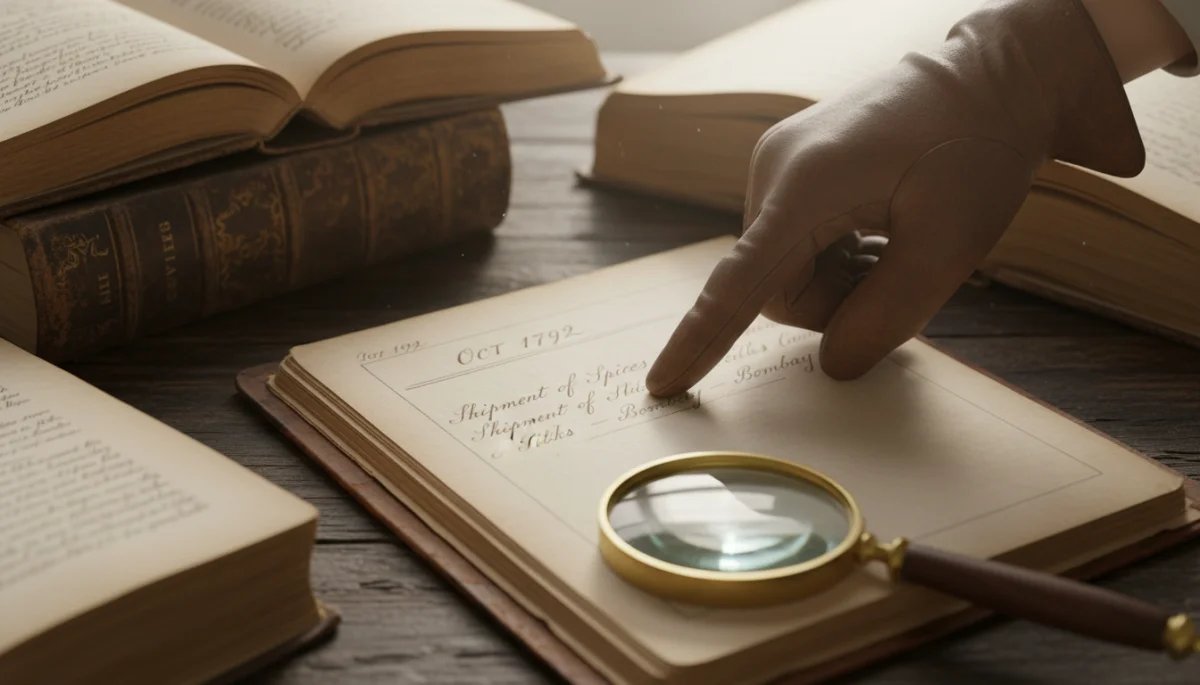
Engaging with archivists and staff
Archivists are the guardians of history and often possess invaluable institutional knowledge. Don’t hesitate to ask for their guidance; they can direct you to obscure collections or offer research tips.
Their expertise can save you hours of searching and provide context to the records you find. Building a rapport with staff can also be beneficial for future research endeavors.
Ultimately, a successful physical archive visit hinges on thorough preparation and active engagement with the resources and people available. These elements combine to create a rich and rewarding research experience.
Decoding difficult records and challenging brick walls
Genealogical research often presents challenges, from deciphering illegible handwriting to overcoming “brick walls” where information seems to cease. Developing strategies for these hurdles is crucial for continuous progress.
Persistence and a willingness to explore alternative avenues are essential when faced with difficult records or dead ends in your family history research.
Strategies for deciphering old handwriting
Historical documents often feature script that is unfamiliar to modern eyes. Patience and specific techniques can help you decode these challenging texts.
- Familiarize yourself with historical scripts: Study common letter forms and abbreviations from the period.
- Contextual clues: Use surrounding words or known information to infer unknown letters or words.
- Transcribe letter by letter: Write out difficult words slowly, focusing on each character.
- Seek second opinions: Share challenging passages with other genealogists or experts.
Breaking through genealogical brick walls
A brick wall occurs when you can’t find any further information about an ancestor. This is where creative problem-solving and expanding your search parameters become vital.
Consider researching collateral lines (siblings, aunts, uncles) or focusing on the ancestor’s associates and neighbors. Sometimes, information about extended family members can reveal clues about your direct ancestor. Also, explore different record types you might not have considered before, such as tax lists, court records, or organizational memberships.
In conclusion, overcoming research obstacles requires a blend of specific skills and a flexible approach. By learning to decode old scripts and creatively addressing brick walls, you can push further into your family’s past.
Embracing ethical considerations and best practices
As you delve into sensitive personal histories, ethical considerations and best practices become paramount. Responsible genealogical research respects privacy, accuracy, and the integrity of historical records.
Adhering to these principles not only upholds the reputation of your work but also ensures that your discoveries are handled with the respect they deserve.
Respecting privacy and confidentiality
When researching living individuals or recent generations, always prioritize privacy. Obtain permission before sharing personal details and be mindful of data protection laws.
Ensuring accuracy and proper citation
Always strive for accuracy in your findings. Corroborate information from multiple sources whenever possible, as a single record may contain errors or misinterpretations.
Properly cite all your sources. This not only lends credibility to your research but also allows others to verify your findings and follow your research path. Consistent citation is a cornerstone of responsible historical work.
In summary, ethical conduct and best practices are non-negotiable in family history research. By prioritizing privacy, accuracy, and proper citation, you ensure that your journey through the archives is both productive and respectful.
| Key Aspect | Brief Description |
|---|---|
| Digital Archives | Online access to vast collections, enhancing searchability and global reach. |
| Physical Archives | Unique documents and expert insights, requiring pre-visit preparation. |
| Research Strategy | Define objectives and gather existing info for focused, efficient searches. |
| Ethical Practice | Prioritize privacy, ensure accuracy, and cite sources properly in all research. |
Frequently asked questions about family history research
Begin by interviewing older family members and gathering any existing family documents like birth certificates or old letters. Then, explore major online platforms such as FamilySearch.org and Ancestry.com, which offer vast collections and helpful tutorials for new researchers.
Use dedicated genealogy software or online tools like Legacy Family Tree or RootsMagic to manage your data. Maintain a consistent filing system for physical documents and digital files, and always cite your sources to ensure accuracy and easy retrieval of information.
When you encounter a brick wall, try researching collateral lines (siblings, aunts, uncles) or neighbors of your ancestor. Explore different types of records, such as land deeds, court records, or local histories. Sometimes, a fresh perspective or an unexpected source can provide the breakthrough needed.
Yes, DNA tests can be a powerful tool, especially for breaking through brick walls or confirming suspected lineages. They can connect you with unknown relatives and provide insights into your ethnic origins, though they should always be combined with traditional document-based research.
Always try to corroborate information from at least two independent sources. Be critical of your findings and question inconsistencies. Proper citation of all sources is also crucial, allowing you to re-verify information and track your research path accurately.
Conclusion
The quest to uncover family history treasures in 2026 is an enriching journey, made accessible and dynamic by the continuous evolution of archival resources. By strategically combining the power of digital platforms with the unique insights offered by physical archives, and by adhering to best research practices, you can meticulously piece together the tapestry of your ancestral past. The expert tips shared here are designed to guide you through the complexities, ensuring your research is both fruitful and respectful, leading to profound discoveries about who you are and where you come from.
