Celebrating Diversity: Underrepresented American Cultural Contributions 2026
This article shines a spotlight on five underrepresented American cultural contributions, exploring their profound impact and enduring legacy. It highlights the often-overlooked richness that defines the diverse cultural landscape of the United States.
Por: Marcelle em 23 de setembro de 2026
This article spotlights five significant yet often overlooked American cultural contributions, emphasizing their historical depth and continued influence on the nation’s diverse identity.
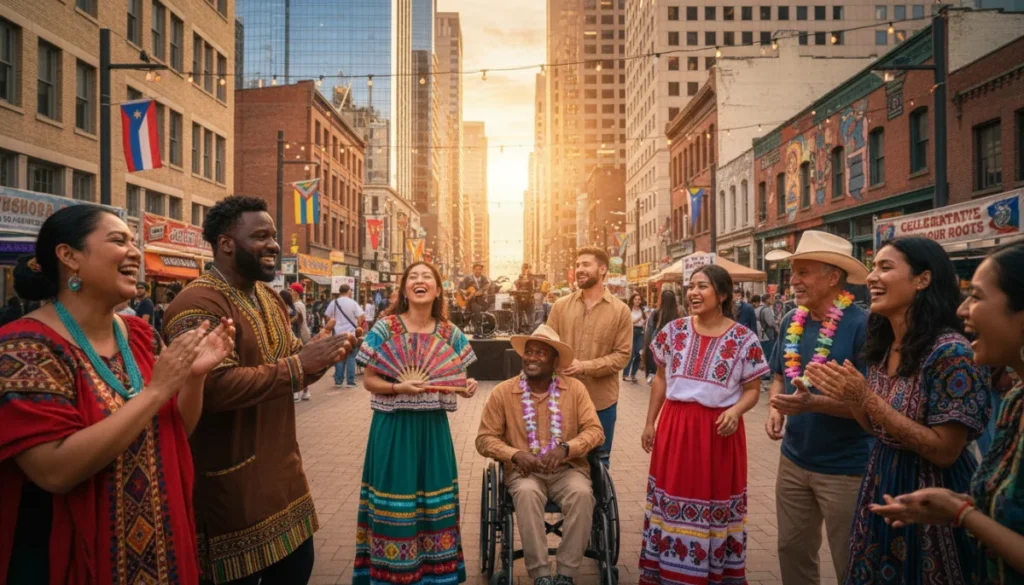
As we navigate 2026, it’s crucial to acknowledge the rich, multifaceted tapestry of American culture. This exploration delves into five truly vital, yet often underrepresented, American cultural contributions that have profoundly shaped the nation’s identity.
The enduring legacy of Gullah Geechee culture
The Gullah Geechee people, descendants of West and Central Africans enslaved on the Sea Islands of South Carolina, Georgia, and Florida, have maintained a remarkably distinct and resilient culture. Their isolation on these islands allowed for the preservation of linguistic, artistic, and culinary traditions that are unique in North America.
Their contributions offer a profound insight into the strength of cultural retention against immense historical odds. Understanding the Gullah Geechee experience is essential for a complete picture of American history and cultural development.
Sweetgrass basket weaving: an ancestral art form
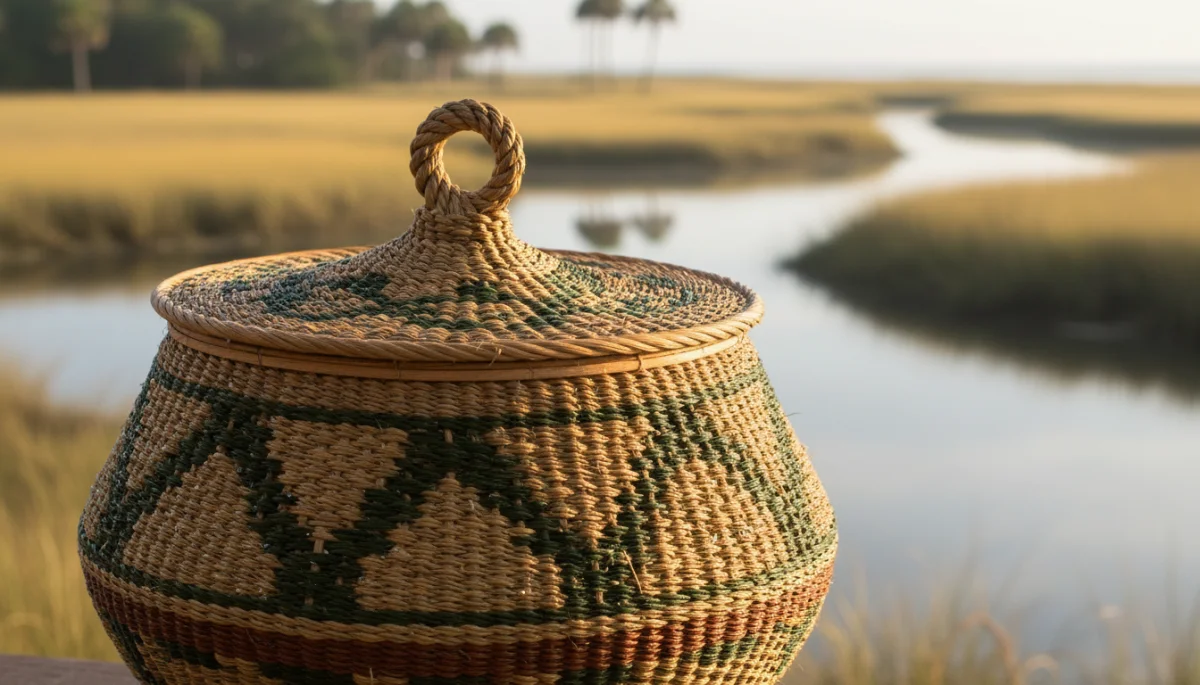
One of the most recognizable and enduring artistic contributions of the Gullah Geechee is the art of sweetgrass basket weaving. This intricate craft, passed down through generations, is more than just a functional skill; it’s a living link to their African ancestors and a symbol of cultural identity.
Historical roots: The weaving techniques originated in West Africa, brought to America by enslaved people.
Cultural significance: Baskets served practical purposes on plantations and became a source of income and artistic expression.
Modern preservation: Today, Gullah Geechee artisans continue this tradition, teaching new generations and ensuring its survival.
The patterns and materials used in these baskets often tell stories and reflect the natural environment of the Sea Islands. Each basket is a testament to resilience, creativity, and the enduring spirit of a people determined to keep their heritage alive.
Culinary traditions: a taste of the past
Gullah Geechee cuisine is a vibrant fusion of African, Caribbean, and Southern American influences, characterized by its reliance on fresh seafood, rice, and local produce. Dishes like ‘red rice,’ ‘okra soup,’ and ‘shrimp and grits’ are not just delicious; they are historical narratives on a plate.
Rice cultivation: The Gullah Geechee people brought invaluable knowledge of rice cultivation from West Africa, which became a cornerstone of the Southern economy.
Sustainable practices: Their cooking methods often emphasize seasonality and local ingredients, reflecting a deep connection to the land and sea.
Global impact: Elements of Gullah Geechee cooking have influenced broader American cuisine and are gaining international recognition for their distinct flavors and historical depth.
Exploring Gullah Geechee culinary traditions allows us to taste history and appreciate the ingenuity and resourcefulness that shaped their survival and cultural expression. Their food tells a story of adaptation, innovation, and unwavering cultural pride.
The Gullah Geechee culture stands as a powerful testament to the enduring human spirit and the importance of preserving ancestral traditions. Its vibrant arts, language, and culinary practices continue to enrich the American cultural landscape, offering invaluable lessons in resilience and heritage.
The profound influence of Native Hawaiian arts and hula
Native Hawaiian culture, with its deep reverence for nature and intricate social structures, offers a spiritual and artistic richness often overshadowed by mainstream representations of Hawaii. The islands’ original inhabitants developed a sophisticated society with unique forms of expression, philosophy, and governance.
Beyond the picturesque beaches, lies a profound cultural heritage that emphasizes connection to the ‘aina (land) and aloha (love, compassion). Recognizing these contributions is vital for a holistic understanding of American diversity.
Hula: storytelling through sacred movement
Hula is not merely a dance; it is a sacred art form, a living history, and a form of spiritual expression. Each movement, chant, and costume in hula carries deep meaning, narrating stories of gods, heroes, and the natural world.
Ancient origins: Hula originated as a religious practice, performed to honor deities and communicate with the spiritual realm.
Cultural revival: Suppressed after Western contact, hula experienced a powerful revival in the late 19th and 20th centuries, becoming a symbol of Hawaiian identity.
Modern interpretation: Today, hula continues to evolve, with both ancient (kahiko) and modern (ʻauana) forms preserving and sharing Hawaiian history and values.
The intricate hand gestures, footwork, and facial expressions in hula convey narratives and emotions with profound grace and power. It’s a testament to the Hawaiian people’s commitment to preserving their heritage through performance.
Traditional Hawaiian chant and music
The melodic chants (oli) and traditional music of Hawaii are integral to its cultural fabric. These oral traditions served as historical records, prayers, and forms of entertainment, often accompanied by instruments like the ipu (gourd drum) and pahu (sharkskin drum).
Oral history: Chants preserved genealogies, epic poems, and historical events before the introduction of written language.
Spiritual connection: Many chants are invocations to deities or expressions of reverence for natural phenomena.
Contemporary influence: Traditional Hawaiian music continues to inspire contemporary artists, blending ancient sounds with modern genres.
The evocative power of Hawaiian chants and music transports listeners to another time, offering a glimpse into the spiritual and historical depth of the islands. These soundscapes are a powerful reminder of the rich oral traditions maintained by Native Hawaiians.
Native Hawaiian arts and practices, particularly hula and chant, represent a profound contribution to American cultural diversity. They embody a deep connection to heritage, spirituality, and the environment, enriching the nation’s cultural narrative in significant ways.
The vibrant traditions of Indigenous Alaskan Native art
The diverse Indigenous Alaskan Native cultures, including the Inuit, Yup’ik, Athabascan, Tlingit, and Haida, possess an artistic heritage deeply intertwined with their subsistence lifestyles and spiritual beliefs. Their art forms are not merely decorative but serve as vital cultural expressions, historical records, and tools for survival.
Living in one of the most challenging environments on Earth, these communities developed unique ways of expressing their worldview through materials found in their surroundings. Their art is a testament to human ingenuity and adaptation.
Carving and sculpture: stories in bone and wood
Indigenous Alaskan Native carving is renowned for its exquisite detail and storytelling capacity. Materials like whalebone, ivory, wood, and soapstone are transformed into masks, tools, and ceremonial objects, each imbued with cultural significance.
Masks: Often used in ceremonies, masks depict spirits, animals, and ancestors, playing a crucial role in spiritual practices and storytelling.
Totem poles: Particularly among the Tlingit and Haida, totem poles serve as monumental narratives, recording family histories, clan lineages, and significant events.
Functional art: Many carvings, such as harpoon heads and tools, are both practical instruments and beautifully crafted works of art.
These carvings are living documents, preserving the rich oral traditions and spiritual beliefs of Alaskan Native peoples. They offer a tangible connection to their ancestors and a powerful expression of their ongoing cultural identity.
Basketry and textile arts: intricate patterns of life
The basketry and textile arts of Alaskan Native communities showcase incredible skill and patience. From the finely woven grass baskets of the Yup’ik to the intricate Chilkat blankets of the Tlingit, these crafts are both beautiful and culturally significant.
Grass basketry: Woven from beach rye grass, Yup’ik baskets are known for their intricate designs and often incorporate natural dyes.
Chilkat blankets: These ceremonial blankets, made from mountain goat wool and cedar bark, feature complex geometric and abstract designs representing clan crests and stories.
Parka ornamentation: Elaborate beadwork and fur trim on traditional parkas serve both functional and aesthetic purposes, indicating status and cultural affiliation.
These textile arts highlight the deep connection between the artists and their environment, utilizing natural resources to create objects of profound beauty and cultural value. They are a testament to generations of accumulated knowledge and artistic mastery.
The diverse artistic expressions of Indigenous Alaskan Natives are powerful reminders of the rich cultural heritage that thrives in America’s northernmost frontier. Their art encapsulates a unique worldview, deeply rooted in respect for nature and ancestral traditions.
The dynamic contributions of Appalachian folk music
Appalachian folk music, often associated with the rugged beauty of the Appalachian Mountains, is a cornerstone of American musical heritage. Rooted in diverse European, African, and Indigenous traditions, it developed into a unique genre that profoundly influenced country, blues, and rock and roll.
This music tells stories of hardship, resilience, love, and community, reflecting the lives of the people who settled and lived in this isolated region. Its raw honesty and lyrical depth make it a powerful cultural force.
Ballads and storytelling: the heart of the mountains
Central to Appalachian folk music are the ballads, which are narrative songs that chronicle historical events, personal struggles, and local legends. These songs were often passed down orally, preserving the region’s history and cultural memory.
Scottish and Irish roots: Many Appalachian ballads can be traced back to traditional Scottish and Irish folk songs, adapted to the American experience.
Themes of everyday life: Songs often deal with themes of work, family, religion, and the challenges of mountain life.
Preservation of dialect: The lyrical content often preserves unique Appalachian dialects and expressions, offering linguistic insights.
The storytelling tradition within Appalachian music is unparalleled, offering a direct, unvarnished look into the lives and values of its people. These ballads are not just songs; they are living historical documents.
Instrumentation and performance styles
The distinctive sound of Appalachian folk music is largely defined by its instrumentation and unique performance styles. Instruments like the banjo, fiddle, guitar, and dulcimer are central to its sound, often played with a raw, unpolished energy.
Banjo’s African origins: The banjo, a quintessential Appalachian instrument, has its roots in African instruments brought by enslaved people, highlighting cross-cultural influence.
Fiddle tunes: Fiddle music, often played for dances and social gatherings, forms the backbone of many Appalachian musical traditions.
Harmonizing vocals: Close harmonies and call-and-response singing are common, reflecting community engagement and shared musical experience.
The performance styles, often informal and community-focused, emphasize participation and authenticity over polished production. This grassroots approach ensures the music remains deeply connected to its origins and the people who create it.
Appalachian folk music, with its rich narratives and distinctive sounds, continues to be a powerful, though often underrepresented, force in American culture. It reminds us of the profound impact of regional traditions on the broader national identity.
The architectural marvels of Pueblo adobe construction
The Pueblo peoples of the American Southwest, including communities like the Hopi, Zuni, and Taos, have developed sophisticated architectural traditions that are both aesthetically stunning and remarkably sustainable. Their adobe construction techniques, honed over centuries, represent a profound contribution to American architecture and sustainable living.
These ancient structures are not just buildings; they are living testaments to a deep understanding of the environment, community living, and cultural resilience. Their architectural principles offer valuable lessons for modern design.
Adobe: material of the earth
Adobe, a mixture of earth, water, and organic materials like straw, is the primary building material for Pueblo structures. Its use reflects an intimate knowledge of local resources and a commitment to building in harmony with the natural world.
Thermal properties: Adobe walls provide excellent insulation, keeping interiors cool in the summer and warm in the winter, crucial for the desert climate.
Sustainability: As a natural, locally sourced material, adobe construction has a minimal environmental footprint.
Durability: Properly maintained adobe structures can last for centuries, demonstrating remarkable longevity.
The use of adobe is more than a construction choice; it is a cultural statement about living sustainably and respectfully within the environment. The buildings themselves become an extension of the earth from which they are made.
Multi-story pueblos and communal living
The iconic multi-story Pueblo structures, often built into cliff faces or around central plazas, are marvels of communal planning and engineering. These complexes facilitated community cohesion, defense, and efficient resource management.
Defensive structures: The design of many pueblos, with retractable ladders and limited entry points, offered protection against invaders.
Communal spaces: Central plazas and shared courtyards fostered strong community bonds and facilitated ceremonial gatherings.
Adaptation to landscape: Pueblos are often integrated seamlessly into the natural landscape, utilizing natural features for protection and resources.
These architectural forms reflect a societal structure that prioritizes community, shared resources, and collective well-being. The enduring presence of these ancient towns, like Taos Pueblo, highlights their functional and cultural significance.
Pueblo adobe construction stands as an extraordinary example of Indigenous ingenuity and sustainable architecture. These structures are not only beautiful but also embody a philosophy of living in harmony with the environment, offering timeless lessons in design and community.
The literary power of Chicano poetry and prose
Chicano literature, emerging from the Chicano Movement of the 1960s, represents a powerful and often underrepresented voice in American letters. It explores themes of identity, immigration, social justice, and cultural hybridity, giving voice to the Mexican American experience.
This body of work challenges dominant narratives, offering rich perspectives that are crucial for understanding the complexities of American identity and history. Its impact extends beyond literature, influencing social and political discourse.
Exploring identity and borderlands
A central theme in Chicano poetry and prose is the exploration of identity within the ‘borderlands’ – not just geographical borders but also cultural, linguistic, and psychological ones. Writers delve into what it means to be Mexican American, navigating between cultures.
Cultural hybridity: Authors often explore the fusion of Mexican and American traditions, languages (code-switching), and worldviews.
Immigration narratives: Stories often highlight the experiences of migration, displacement, and the search for belonging.
Reclaiming history: Chicano literature frequently re-examines historical events from a Mexican American perspective, challenging colonial narratives.
Writers like Gloria Anzaldúa and Sandra Cisneros have eloquently articulated the complexities of this ‘mestiza consciousness,’ offering profound insights into the formation of identity in a multicultural context. Their work resonates deeply with many Americans.
Social justice and political activism
Chicano literature is inherently tied to social justice and political activism. It emerged as a voice for civil rights, advocating for fair labor practices, educational reform, and an horrific to discrimination. Poetry and prose became powerful tools for change.
Farmworker struggles: Many works shed light on the plight of farmworkers, inspired by figures like César Chávez.
Critique of systemic inequality: Literature often exposes and critiques the systemic injustices faced by Mexican Americans.
Empowerment and resistance: Chicano literary works often celebrate resilience, cultural pride, and acts of resistance against oppression.
The powerful narratives and poetic expressions in Chicano literature serve as a testament to the enduring fight for equality and recognition. They remind us that literature can be a potent force for social change and a mirror reflecting societal inequalities.
The literary power of Chicano poetry and prose offers an indispensable contribution to American culture. Its exploration of identity, social justice, and cultural resilience enriches the national narrative, providing essential perspectives on the diverse American experience.
Cultural Contribution
Brief Description
Gullah Geechee Culture
Preservation of African linguistic, artistic, and culinary traditions on the Sea Islands.
Native Hawaiian Arts
Hula, chant, and traditional music as sacred storytelling and historical preservation.
Indigenous Alaskan Native Art
Carving, basketry, and textiles reflecting deep environmental and spiritual connections.
Chicano Literature
Poetry and prose exploring identity, social justice, and cultural hybridity in the Mexican American experience.
Frequently asked questions about underrepresented American cultures
Why is it important to highlight underrepresented American cultural contributions?▼
Highlighting these contributions enriches our understanding of American history and identity. It ensures a more inclusive narrative, recognizes the diverse origins of the nation’s culture, and celebrates the resilience and creativity of all its communities, fostering a deeper appreciation for diversity.
How can individuals learn more about these cultures?▼
Individuals can explore local museums, cultural centers, and community events dedicated to these groups. Reading literature, listening to traditional music, and supporting artisans are also excellent ways to engage directly with and learn about these rich cultural heritages.
What role do educational institutions play in recognizing these contributions?▼
Educational institutions are crucial in integrating these narratives into curricula, ensuring students learn a comprehensive history. By offering courses, promoting research, and hosting cultural programs, schools can foster awareness and respect for America’s diverse cultural tapestry.
Are these cultures still actively practiced and evolving today?▼
Absolutely. These cultures are vibrant and dynamic, constantly evolving while maintaining their core traditions. Communities actively work to preserve their languages, arts, and customs, adapting them to contemporary contexts and ensuring their relevance for future generations.
How do these contributions impact the broader American identity?▼
These contributions profoundly broaden and deepen the American identity by challenging monolithic views and showcasing a complex, interwoven heritage. They demonstrate that America’s strength lies in its diversity, fostering a more nuanced and accurate understanding of what it means to be American.
Conclusion
As we reflect on underrepresented American cultures in 2026, it becomes abundantly clear that the true strength and beauty of the United States lie in its incredible diversity. The contributions of the Gullah Geechee, Native Hawaiian, Indigenous Alaskan Native, Appalachian, and Chicano communities are not merely footnotes in history; they are foundational pillars that have shaped the nation’s artistic, social, and intellectual landscape. By actively seeking out, celebrating, and understanding these rich traditions, we move towards a more inclusive and accurate appreciation of America’s multifaceted cultural heritage, ensuring that all voices are heard and valued.