Watergate’s Lingering Legacy: Undermining Public Trust by 1974
By 1974, the Watergate scandal, marked by four key events, irrevocably damaged American public trust in governmental institutions and leadership, fostering a pervasive skepticism that endures.
Por: Marcelle em 23 de setembro de 2026
By 1974, the Watergate scandal, marked by four key events, irrevocably damaged American public trust in governmental institutions and leadership, fostering a pervasive skepticism that endures.
The Watergate scandal stands as a monumental turning point in American political history, its repercussions echoing through decades. This article delves into Watergate’s lingering legacy, specifically examining how four key events between 1972 and 1974 systematically undermined public trust, forever altering the American perception of government and its leaders.
The Break-in and Initial Cover-up: A Web of Deceit Unravels
The story of Watergate began subtly, with a seemingly minor incident that quickly ballooned into a national crisis. The break-in at the Democratic National Committee headquarters was initially dismissed, but persistent journalism and an increasingly suspicious public ensured it would not remain hidden.
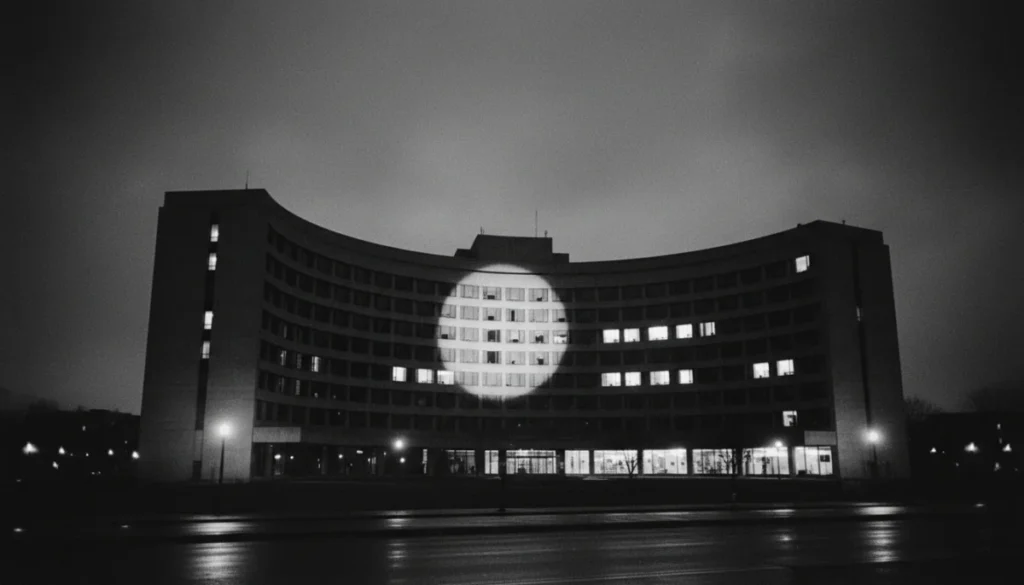
On June 17, 1972, five men were arrested for breaking into the Democratic National Committee (DNC) headquarters, located in the Watergate Hotel complex in Washington, D.C. Their objective was to bug the offices and steal sensitive documents. What initially appeared to be a simple burglary soon revealed connections to President Richard Nixon’s re-election campaign, the Committee to Re-elect the President (CREEP).
The Arrests and Early Investigations
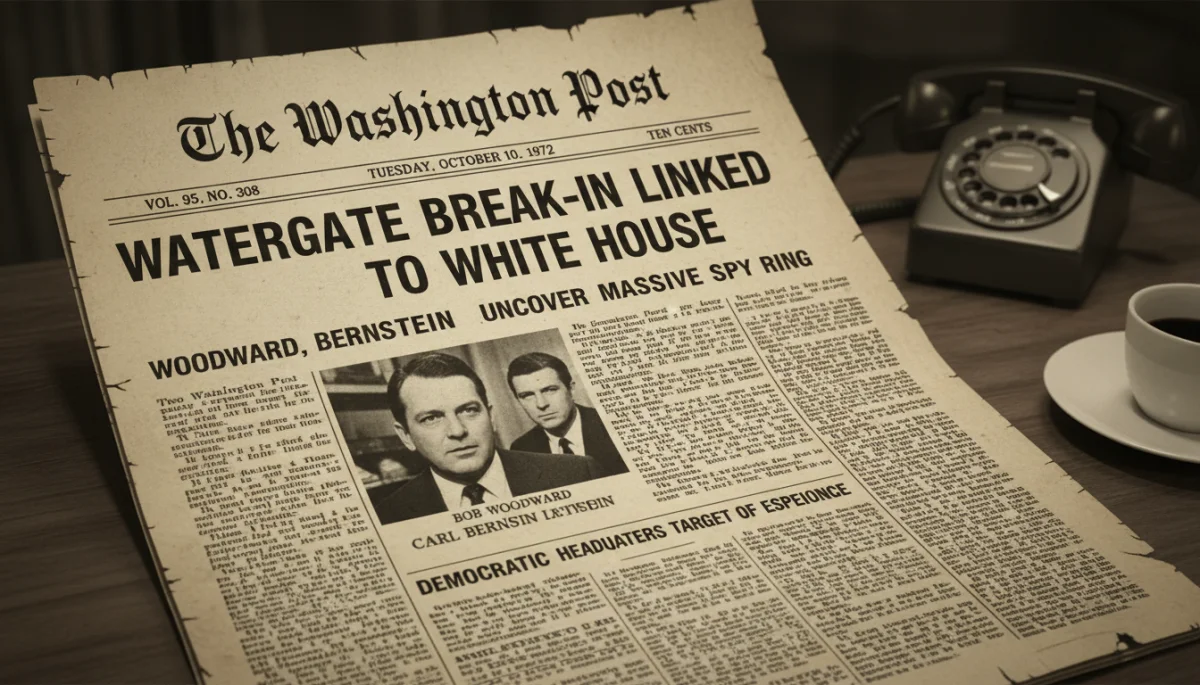
The initial police report identified the men, one of whom, James McCord, was the security coordinator for CREEP and a former CIA officer. This connection immediately raised red flags for journalists, particularly Bob Woodward and Carl Bernstein of The Washington Post.
June 17, 1972: Five men caught breaking into DNC headquarters.
Initial Press Reaction: White House press secretary Ron Ziegler dismissed it as a “third-rate burglary.”
Woodward and Bernstein: Began their relentless investigation, linking the burglars to the White House.
The Nixon administration, determined to prevent any damage to the President’s re-election prospects, initiated a widespread cover-up. Funds were paid to the burglars to buy their silence, and the CIA was pressured to obstruct the FBI’s investigation by claiming national security concerns. This early phase of deception set a dangerous precedent, demonstrating a willingness by those in power to manipulate institutions for political gain.
The immediate aftermath of the break-in and the subsequent attempts to conceal the White House’s involvement laid the groundwork for the erosion of trust. The public, initially unaware of the true scope, began to sense a deep-seated dishonesty, a feeling that would only intensify as more details emerged.
The Senate Watergate Committee Hearings: Public Revelation of Deception
As the scandal unfolded, congressional action became inevitable. The establishment of the Senate Watergate Committee marked a pivotal moment, transforming a complex political intrigue into a public spectacle that exposed the depths of governmental malfeasance.
In February 1973, the Senate voted unanimously to create the Select Committee on Presidential Campaign Activities, commonly known as the Senate Watergate Committee. Chaired by Senator Sam Ervin of North Carolina, the committee’s mandate was to investigate the break-in and all related illegal activities during the 1972 presidential campaign. Its hearings, broadcast live on national television, brought the scandal directly into American homes.
Televised Testimony and Shocking Disclosures
Millions of Americans tuned in daily, captivated by the testimonies of former White House aides and administration officials. These hearings provided an unprecedented look into the inner workings of the Nixon White House, revealing a culture of political espionage, dirty tricks, and a concerted effort to obstruct justice.
John Dean’s Testimony: The former White House Counsel implicated President Nixon directly in the cover-up, famously stating there was a “cancer on the presidency.”
Alexander Butterfield’s Revelation: Disclosed the existence of a secret White House taping system, recording all conversations in the Oval Office.
Public Reaction: The televised hearings fostered a collective sense of betrayal and disbelief among citizens, as the credibility of the highest office in the land was openly questioned.
The committee’s proceedings were not just about uncovering facts; they were about accountability. Witnesses, under oath, painted a vivid picture of a presidency that had strayed far from its ethical obligations. The revelation of the taping system was particularly devastating, transforming the ‘he said, she said’ nature of the testimonies into a tangible promise of undeniable proof.
The Senate Watergate Committee hearings were instrumental in shifting public opinion. What began as an abstract political issue became a personal affront to many Americans, who watched their government’s integrity unravel before their eyes. This public exposure of deceit significantly deepened the chasm of distrust between the populace and their elected officials.
The Saturday Night Massacre: A Crisis of Constitutional Authority
The existence of the White House tapes set the stage for a dramatic confrontation between the executive branch and the legal system. President Nixon’s refusal to release these tapes led to a constitutional crisis that further intensified public skepticism.
The tapes were seen as crucial evidence, capable of either exonerating or incriminating the President. Special Prosecutor Archibald Cox, appointed to investigate the scandal, issued subpoenas for specific recordings. Nixon, citing executive privilege, refused to comply, leading to a direct clash of powers.
The Firing of Archibald Cox
On October 20, 1973, in an event that became known as the “Saturday Night Massacre,” President Nixon ordered Attorney General Elliot Richardson to fire Cox. Richardson refused and resigned in protest. Deputy Attorney General William Ruckelshaus also refused and was fired. Finally, Solicitor General Robert Bork carried out the order, dismissing Cox.
Presidential Order: Nixon demands the firing of Special Prosecutor Archibald Cox.
Mass Resignations: Attorney General Richardson and Deputy Attorney General Ruckelshaus resign rather than comply.
Public Outcry: The firings triggered widespread public outrage and accusations of obstruction of justice.
This unprecedented executive action sent shockwaves across the nation. Critics viewed it as a blatant attempt by the President to impede justice and protect himself, placing his personal interests above the rule of law. The firings were widely seen as an abuse of presidential power, demonstrating a disregard for the checks and balances inherent in the American system of government.
The Saturday Night Massacre was a critical juncture where the public’s faith in the integrity of the presidency plummeted. It solidified the perception that the administration was actively trying to conceal wrongdoing, rather than uphold justice. This event profoundly damaged the reputation of the presidency and deepened the public’s mistrust in the executive branch.
The Supreme Court’s Ruling and Nixon’s Resignation: The Ultimate Betrayal
The legal battles over the White House tapes culminated in a landmark Supreme Court decision, forcing President Nixon to confront the undeniable evidence. This, coupled with the threat of impeachment, led to his historic resignation, marking the ultimate culmination of Watergate’s lingering legacy of eroded trust.
Despite the Saturday Night Massacre, the demand for the tapes persisted. Leon Jaworski, Cox’s replacement as Special Prosecutor, also subpoenaed recordings. When Nixon again refused, the case ultimately reached the Supreme Court.
United States v. Nixon and its Aftermath
On July 24, 1974, in a unanimous 8-0 decision (Justice Rehnquist recused himself), the Supreme Court ruled in United States v. Nixon that the President must release the subpoenaed tapes. The Court rejected Nixon’s claim of absolute executive privilege, affirming that no one, not even the President, is above the law.
Supreme Court Ruling: Mandated the release of the White House tapes.
“Smoking Gun” Tape: Revealed Nixon’s direct involvement in the cover-up.
Impeachment Proceedings: The House Judiciary Committee approved three articles of impeachment.
The release of the tapes, particularly the “smoking gun” tape from June 23, 1972, unequivocally proved Nixon’s direct involvement in the cover-up. The tape captured Nixon approving a plan to use the CIA to block the FBI’s investigation into the Watergate break-in. This evidence was undeniable and devastating.
Facing certain impeachment by the House of Representatives and conviction by the Senate, Richard Nixon resigned on August 8, 1974, becoming the only U.S. President to do so. His resignation, rather than a concession of guilt, was an admission that he had lost the political support necessary to govern.
Nixon’s departure from office under such ignominious circumstances was the final blow to public trust. It solidified the image of a leader who had betrayed his oath, abused his power, and placed himself above the law. The events leading to his resignation left an indelible mark on the American psyche, creating a deep-seated cynicism towards political power that persists to this day.
The Enduring Impact on Media and Government Oversight
The Watergate scandal fundamentally reshaped the relationship between the press, the government, and the public. It ushered in an era of heightened journalistic scrutiny and catalyzed reforms aimed at increasing transparency and accountability.
Before Watergate, the press often maintained a more deferential stance towards the presidency. The relentless pursuit of the truth by journalists like Woodward and Bernstein, despite immense pressure and skepticism, demonstrated the vital role of an independent media in a functioning democracy. Their success inspired a new generation of investigative journalists.
A New Era of Skepticism and Scrutiny
The scandal fostered a deep-seated public skepticism towards authority. Americans became less willing to accept official statements at face value, demanding greater transparency and accountability from their leaders. This shift in public attitude had profound implications for how future administrations would be perceived and scrutinized.
Rise of Investigative Journalism: Watergate became a benchmark for aggressive, independent reporting.
Increased Public Cynicism: A lasting distrust in government institutions and politicians.
Demand for Transparency: A continuous push for open government and accountability.
Beyond the media, Watergate also spurred significant governmental reforms. The Ethics in Government Act, for instance, created an independent counsel to investigate allegations of wrongdoing by high-ranking officials. Campaign finance laws were strengthened, and the Freedom of Information Act was expanded, all in an effort to prevent future abuses of power and restore public confidence.
The enduring impact of Watergate lies in this dual transformation: a more aggressive and critical press, and a more vigilant and skeptical public. While these changes have often led to a more adversarial political landscape, they are also seen by many as essential safeguards against potential governmental overreach and corruption.
Watergate’s Lingering Legacy in Modern Politics
Even decades later, the shadow of Watergate continues to influence American political discourse and public perception. The term “-gate” itself has become a ubiquitous suffix for any political scandal, testifying to the event’s lasting cultural and political resonance.
The scandal created a template for how the public and media react to allegations of executive misconduct. Any perceived cover-up, abuse of power, or attempt to obstruct justice is immediately measured against the high bar set by Watergate. This makes it challenging for political leaders to regain trust once it has been compromised.
The Trust Deficit and its Consequences
One of the most significant aspects of Watergate’s lingering legacy is the persistent trust deficit between the American people and their government. Polls consistently show lower levels of confidence in governmental institutions compared to pre-Watergate eras. This cynicism can manifest in various ways:
Voter Apathy: Disillusionment leading to reduced participation in the political process.
Polarization: Increased partisan divides, with each side quick to accuse the other of Watergate-esque malfeasance.
Demand for Transparency: A continuous push for open government and accountability.
The events of 1974 taught Americans that even the most powerful individuals could be held accountable, but it also instilled a deep-seated wariness. This wariness, while sometimes leading to healthy skepticism, can also foster a climate where legitimate government actions are met with undue suspicion, complicating governance.
The legacy of Watergate serves as a constant reminder of the fragility of democratic institutions and the importance of ethical leadership. It underscores the critical need for checks and balances, an independent press, and an engaged citizenry to safeguard the principles of transparency and accountability in government.
Key Event
Impact on Public Trust
DNC Break-in & Cover-up
Initial deception sowed seeds of doubt regarding White House integrity.
Senate Hearings
Televised revelations exposed widespread deceit, eroding confidence in leadership.
Saturday Night Massacre
Presidential obstruction of justice deeply damaged faith in rule of law.
Nixon’s Resignation
Final act confirmed betrayal of public trust, leaving a lasting scar.
Frequently Asked Questions About Watergate’s Impact
What was the primary cause of public trust erosion during Watergate?▼
The systematic cover-up by the Nixon administration, involving attempts to obstruct justice and mislead the public, was the primary cause. This demonstrated a blatant disregard for ethical governance, leading to a profound loss of faith in presidential integrity and governmental institutions.
How did the Senate Watergate Hearings contribute to public disillusionment?▼
Televised live, the hearings brought the scandal directly into American homes. Witness testimonies, particularly John Dean’s and Alexander Butterfield’s revelation of the tapes, exposed a culture of deceit and abuse of power, making the public feel personally betrayed by their leaders.
What was the significance of the “Saturday Night Massacre”?▼
This event, where President Nixon fired Special Prosecutor Archibald Cox and caused the resignations of two top justice officials, was widely perceived as a direct obstruction of justice. It signaled that the President was willing to undermine legal processes to protect himself, severely damaging trust in the executive branch.
Did Nixon’s resignation restore public trust?▼
While Nixon’s resignation demonstrated that no one is above the law, it did not fully restore public trust. Instead, it solidified a lasting cynicism towards political power and government, fostering a pervasive skepticism that continues to influence American political discourse and citizen engagement.
How does Watergate still impact modern American politics?▼
Watergate created a template for media scrutiny and public skepticism towards government. The term “-gate” is now synonymous with political scandal, and the event’s legacy includes stronger ethics laws and a persistent demand for transparency, shaping how Americans view their leaders and institutions today.
Conclusion
The Watergate scandal, culminating in 1974, remains a profound testament to the fragility of public trust in democratic governance. Through the initial break-in and cover-up, the revealing Senate hearings, the constitutional crisis of the Saturday Night Massacre, and ultimately, President Nixon’s resignation, the American public witnessed an unprecedented erosion of integrity at the highest levels of power. These four pivotal events did not merely expose individual wrongdoings; they fundamentally altered the national consciousness, fostering a deep-seated skepticism that continues to shape political discourse and public engagement. Watergate’s lingering legacy serves as a perpetual reminder of the critical importance of accountability, transparency, and the rule of law in maintaining the delicate balance of trust between the governed and their government.