The Roaring Twenties were a period of immense economic prosperity in the United States, driven by specific governmental policies. This article delves into the five crucial economic policies that fueled this unprecedented growth before the watershed year of 1929, offering a deep dive into a pivotal era of American history.
Por: Marcelle em 23 de setembro de 2026
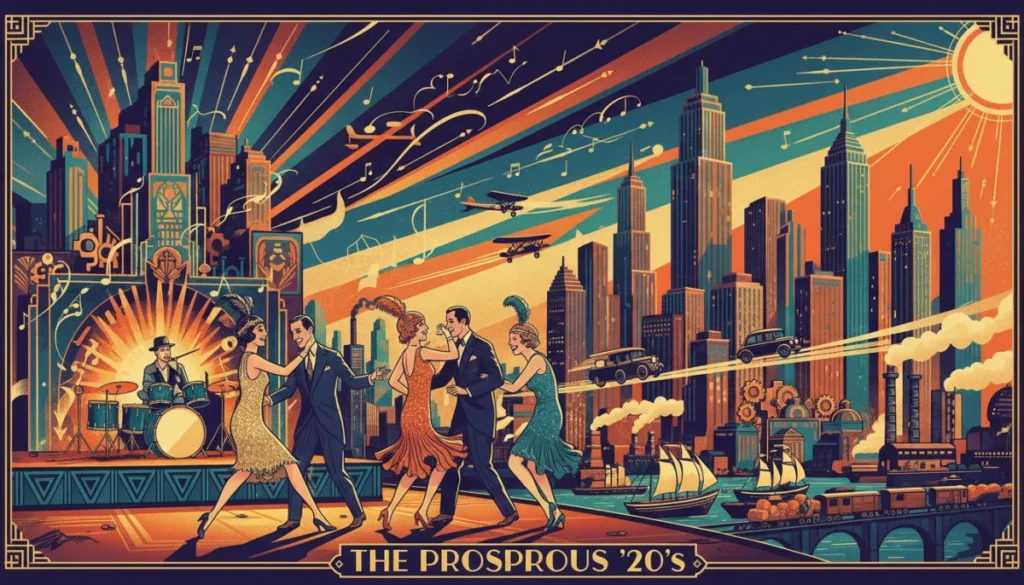
The Roaring Twenties witnessed remarkable economic expansion in the United States, largely propelled by specific governmental policies that fostered industrial growth, consumerism, and investment, setting the stage for prosperity before the eventual downturn.
The Roaring Twenties: 5 Economic Policies That Fueled Unprecedented Growth Before 1929 represents a fascinating chapter in American economic history. This era, often romanticized for its cultural shifts and technological advancements, was underpinned by a series of deliberate economic policies that fostered an environment of rapid expansion and prosperity. How did these strategies shape the decade, and what lessons can we draw from this period of intense growth?
Tax Reductions and Fiscal Conservatism
The post-World War I era saw a significant shift in U.S. fiscal policy, moving towards lower taxes and reduced government spending. This approach, championed by Treasury Secretary Andrew Mellon under Presidents Harding and Coolidge, aimed to stimulate economic activity by encouraging investment and consumption, setting the stage for prosperity before the eventual downturn.
This policy was a cornerstone of the era’s economic philosophy, reflecting a strong preference for limited government intervention in the economy. The argument was that high taxes discouraged wealth creation and capital formation, while lower taxes would incentivize both. The impact of these tax cuts was immediate and widespread, affecting various sectors of the economy and contributing to the overall sense of optimism.
The Mellon Tax Cuts
Andrew Mellon, a prominent industrialist and banker, spearheaded a series of tax cuts throughout the 1920s. His philosophy was rooted in supply-side economics, long before the term became popular.
Reduced Income Tax Rates: Top marginal income tax rates were drastically cut, from over 70% during World War I to around 25% by the end of the decade.
Lowered Corporate Taxes: Corporate tax rates were also reduced, aiming to encourage businesses to expand and invest more.
Emphasis on Budget Surpluses: Alongside tax cuts, there was a strong commitment to reducing the national debt accumulated during the war, leading to budget surpluses.
The impact of these policies was seen in increased private investment and a boom in consumer spending. Many historians argue that these tax cuts put more disposable income into the hands of the middle and upper classes, who then invested in the burgeoning stock market and purchased new consumer goods, driving demand and production. This created a virtuous cycle of growth, where increased profits led to more investment, further boosting economic activity and employment.
In essence, the fiscal policies of the 1920s were designed to unleash the power of the private sector. By reducing the tax burden and promoting fiscal responsibility, the government sought to create an environment where businesses could thrive and individuals could prosper, laying a foundational block for the decade’s economic boom.
Promotion of Mass Production and Industrial Efficiency
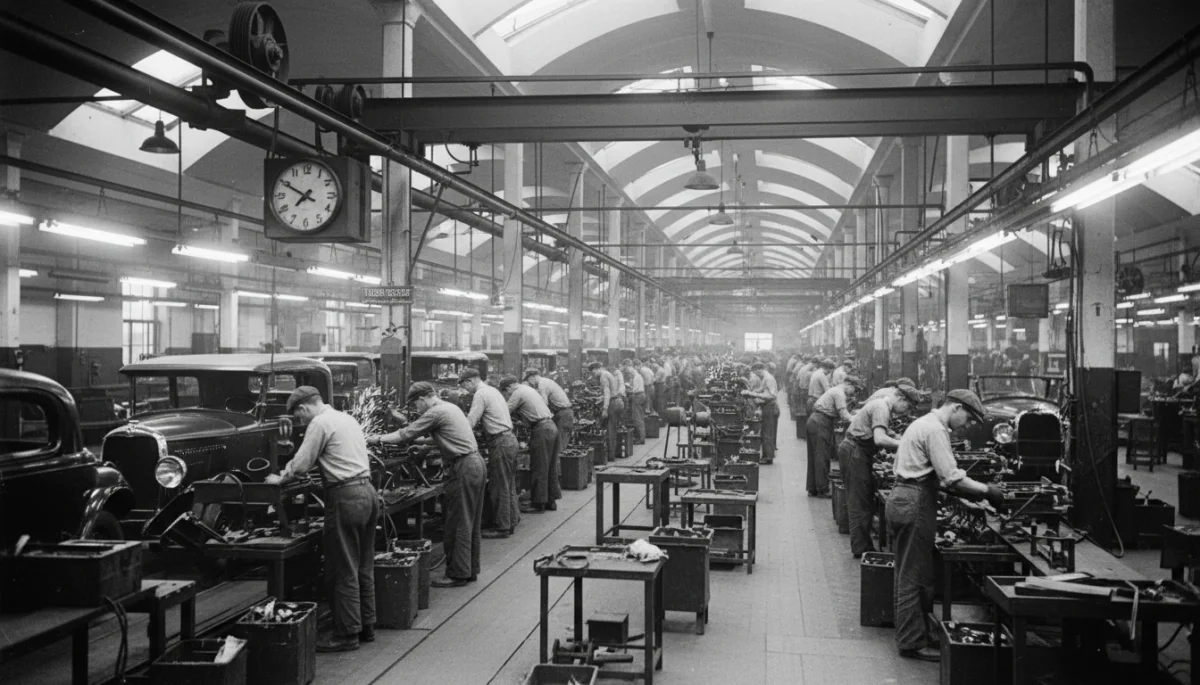
The 1920s are synonymous with the rise of mass production, particularly in the automotive industry, but its principles extended across various sectors. The widespread adoption of assembly lines and scientific management techniques dramatically increased output, reduced costs, and made goods more accessible to the average American consumer. This industrial revolution within the decade was not just a technological shift but also a strategic economic policy supported by a culture of innovation and efficiency.
Henry Ford’s pioneering work with the assembly line for the Model T is a prime example of this trend. His innovations allowed for standardized production, leading to lower prices and higher wages for workers, which in turn fueled a new era of consumerism. The government, while not directly mandating these production methods, fostered an environment through its policies that encouraged industrial growth and technological advancement, recognizing its importance for national prosperity.
Fordism and its Economic Impact
Fordism, the system of mass production combined with high wages, had a profound impact on the American economy and society.
Increased Productivity: Assembly lines drastically cut production time for complex goods.
Lower Prices: Reduced production costs allowed companies to lower prices, making products like automobiles affordable for the middle class.
Higher Wages: Ford’s famous $5-a-day wage set a precedent, enabling workers to become consumers of the very products they produced.
The industrial efficiency gained through mass production led to an explosion in the availability of consumer goods, from radios and refrigerators to washing machines. This accessibility transformed American households and created new markets. The emphasis on efficiency also spurred innovation in other industries, such as chemicals, aviation, and electricity, creating a dynamic and interconnected economy. This era saw the consolidation of large corporations, which further streamlined production processes and achieved economies of scale, contributing significantly to the overall economic expansion.
The commitment to mass production and industrial efficiency was a self-reinforcing cycle. As goods became cheaper and more accessible, demand increased, prompting further investment in production capabilities. This policy, though largely driven by the private sector, was implicitly supported by government policies that favored business growth and technological advancement, cementing its role in the Roaring Twenties’ economic success.
Expansion of Consumer Credit and Advertising
A crucial, yet often overlooked, economic policy of the 1920s was the widespread expansion of consumer credit. Before this decade, buying on credit was largely limited to businesses and the very wealthy. However, with the surge in mass-produced goods, companies and banks realized the potential for increased sales by allowing consumers to purchase items on installment plans. This shift dramatically changed consumer behavior and fueled unprecedented demand, making previously unattainable items accessible to a broader segment of the population.
Parallel to the growth of credit was the explosive rise of modern advertising. Advertisers moved beyond simple product descriptions to create desires and aspirations, linking products to a modern, aspirational lifestyle. This combination of easy credit and persuasive advertising created a powerful engine for consumer spending, pushing economic growth to new heights. While not government-mandated, the regulatory environment largely allowed this expansion to flourish, recognizing its contribution to economic vitality.
The Buy Now, Pay Later Mentality
The introduction and normalization of installment buying transformed the American marketplace.
Automobile Sales: A vast majority of cars in the 1920s were bought on credit, making them affordable for many families.
Household Appliances: Radios, vacuum cleaners, and washing machines became common household items, largely thanks to installment plans.
Department Store Credit: Retailers began offering their own credit plans, encouraging frequent and larger purchases.
This new credit system enabled consumers to acquire goods they otherwise couldn’t afford upfront, effectively pulling future demand into the present. It stimulated manufacturing, as factories had to ramp up production to meet the burgeoning consumer appetite. The growth of advertising agencies and media outlets, such as radio and magazines, further amplified this trend. Advertisements created a culture of desire and aspiration, convincing consumers that owning the latest gadgets and conveniences was essential for a modern life. This psychological shift, coupled with accessible credit, created a powerful feedback loop that drove the economy forward.
The expansion of consumer credit and the sophistication of advertising were pivotal in transforming the American economy into a consumer-driven powerhouse. This policy, while inherently carrying risks, was instrumental in sustaining the high levels of production and consumption that characterized the Roaring Twenties.
Limited Government Regulation and Laissez-Faire Approach
The prevailing economic philosophy of the 1920s was one of limited government intervention, often termed ‘laissez-faire.’ Presidents Harding and Coolidge, and their administrations, strongly believed that the economy functioned best when left largely to its own devices, with minimal regulatory interference. This approach contrasted sharply with the Progressive Era’s push for greater government oversight and paved the way for businesses to operate with fewer restrictions, fostering an environment perceived as highly favorable for capital accumulation and expansion.
The idea was that reduced regulation would unleash entrepreneurial spirit and allow market forces to allocate resources more efficiently. This hands-off approach extended to various sectors, from banking to industry, and was seen as a key component of the era’s prosperity. It allowed for rapid innovation and business growth, albeit with certain risks that would become apparent later.
Deregulation and Business Freedom
The government’s stance on regulation had several key manifestations:
Weakened Antitrust Enforcement: The government was less aggressive in breaking up large trusts and monopolies, allowing for greater industrial consolidation.
Minimal Financial Oversight: Regulations on banking and the stock market were relatively loose, contributing to speculative practices.
Pro-Business Stance: Policies generally favored big business, with less emphasis on labor rights or environmental protections.
This period saw a significant decline in federal regulatory activity compared to previous eras. The prevailing sentiment was that businesses, if unburdened by excessive rules, would naturally innovate and create wealth for society. While this approach undeniably contributed to rapid economic growth and business expansion, it also set the stage for speculative excesses, particularly in the stock market. The lack of stringent oversight meant that some financial practices went unchecked, leading to an environment where risk-taking was encouraged without adequate safeguards. This hands-off policy, while a driver of prosperity, ultimately contributed to the vulnerabilities that surfaced at the end of the decade.
The limited government regulation and laissez-faire approach were central to the economic boom of the Roaring Twenties. It fostered an environment of business freedom and rapid growth, reflecting a strong belief in the power of the free market to drive prosperity.
Technological Innovation and Infrastructure Development
Beyond specific fiscal or regulatory policies, the underlying current of technological innovation and a burgeoning commitment to infrastructure development played a vital role in fueling the economic growth of the 1920s. The decade witnessed transformative advancements in electricity, communication, and transportation, which fundamentally reshaped industries and daily life. These innovations weren’t just isolated breakthroughs; they were integrated into the economic fabric, often supported by government initiatives and private investment.
The widespread electrification of homes and factories, the rapid expansion of radio broadcasting, and the burgeoning automobile industry all represent the fruits of this technological boom. The government, recognizing the importance of connectivity for trade and national defense, also invested in road construction and other public works, further facilitating economic activity and the movement of goods and people.
Key Technological Advancements
Several technological breakthroughs were critical drivers of economic expansion:
Electrification: Enabled factories to operate more efficiently and brought new conveniences to homes.
Automobile Industry: Spurred growth in related industries like steel, rubber, glass, and petroleum, and created new jobs.
Radio and Broadcasting: Created a new mass medium for entertainment and advertising, fostering a national consumer culture.
The adoption of electricity transformed industrial production, allowing factories to be built anywhere, not just near water sources, and enabling more flexible and efficient machinery. The automobile, in particular, had a profound ripple effect across the economy. Its demand led to the development of better roads, gas stations, and motels, creating entire new sectors. Moreover, the growth of radio not only provided entertainment but also served as a powerful tool for advertising, further stimulating consumer demand for new products. Government involvement, though not always direct, included funding for research and development, and infrastructure projects like the expansion of the national highway system, which facilitated commercial transport and tourism. This investment in foundational technologies and infrastructure created a fertile ground for businesses to expand and for new markets to emerge, cementing technology’s role as a primary engine of the Roaring Twenties’ prosperity.
The synergy between technological innovation and strategic infrastructure development was a powerful catalyst for economic growth in the 1920s, laying the groundwork for a modern industrial and consumer society.
Key Economic Policy
Brief Impact
Tax Reductions
Stimulated investment and consumer spending by increasing disposable income.
Mass Production
Increased output, lowered costs, and made goods accessible to a wider market.
Consumer Credit Expansion
Fueled demand by enabling installment purchases for various goods.
Technological Innovation
Transformed industries, created new markets, and increased overall productivity.
Frequently Asked Questions About the Roaring Twenties Economy
What was the primary economic philosophy of the 1920s?▼
The dominant economic philosophy was laissez-faire, advocating for minimal government intervention in the economy. This approach aimed to allow free markets and private enterprise to drive growth and prosperity without extensive regulation or oversight.
How did tax policies contribute to the economic boom?▼
Tax policies, particularly those championed by Andrew Mellon, involved significant reductions in income and corporate tax rates. This was intended to stimulate investment and increase disposable income, encouraging both spending and capital formation, thereby boosting economic activity.
What role did mass production play in the decade’s growth?▼
Mass production, notably with the assembly line, drastically increased industrial output and lowered the cost of goods. This made consumer products more affordable and accessible, driving demand and creating a cycle of increased production and consumption across various industries.
How did consumer credit influence 1920s prosperity?▼
The expansion of consumer credit, through installment plans, enabled more Americans to purchase expensive goods like cars and appliances. This ‘buy now, pay later’ model significantly fueled consumer demand, supporting mass production and accelerating economic growth.
Were there any negative aspects to these economic policies?▼
While fostering growth, the limited regulation and easy credit contributed to speculative bubbles, particularly in the stock market. This lack of oversight and the rapid accumulation of debt eventually created vulnerabilities that played a role in the economic downturn at the end of the decade.
Conclusion
The economic prosperity of the Roaring Twenties was not merely a spontaneous phenomenon but the result of deliberate and interconnected economic policies. From significant tax reductions and a hands-off approach to regulation to the revolutionary advancements in mass production and the widespread adoption of consumer credit, these strategies collectively forged an era of unprecedented growth. While the decade’s economic trajectory ultimately faced a dramatic reversal, understanding these foundational policies offers crucial insights into the complexities of economic cycles and the profound impact of governmental and industrial decisions on national prosperity.