3 Key Amendments: Shaping American Culture 1787-2026
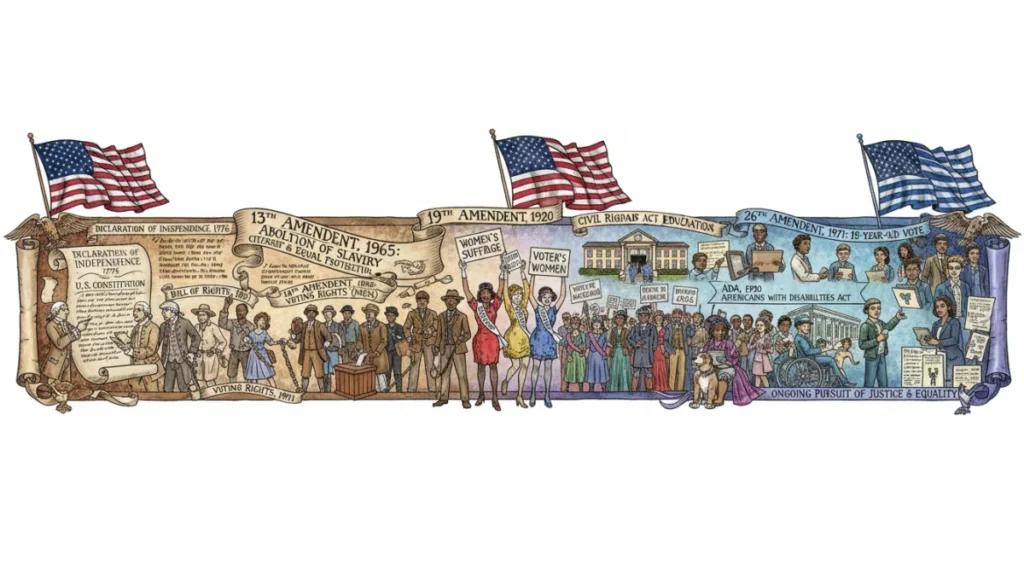
Constitutional amendments are critical for understanding American cultural evolution, acting as legal frameworks that reflect and redirect societal values from historical origins to future projections.
When we talk about the bedrock of American society, it’s impossible to overlook the profound impact of its foundational legal documents. This article delves into constitutional amendments culture, exploring how specific changes to the U.S. Constitution have not just altered laws but fundamentally reshaped the American way of life from its inception in 1787 to potential implications stretching to 2026.
The First Amendment: Freedom’s Foundation and Cultural Expression
The First Amendment stands as a cornerstone of American liberty, enshrining freedoms of speech, religion, press, assembly, and petition. Its adoption in 1791 immediately set a precedent for a society where diverse viewpoints could coexist and challenge the status quo, fundamentally shaping cultural expression.
From the earliest days of the republic, this amendment fostered a vibrant marketplace of ideas. It allowed for the free exchange of political thought, religious practices, and artistic endeavors, distinguishing American culture from more restrictive societies. This freedom has consistently fueled both unity and division, reflecting the dynamic nature of a pluralistic society.
Freedom of Speech and its Evolving Impact
The right to free speech has been central to every major social movement in American history. It empowers individuals and groups to advocate for change, challenge injustices, and express their identities without fear of government reprisal. However, the interpretation and limits of this freedom have continuously evolved, particularly with the advent of new communication technologies.
- Early Republic Debates: The Sedition Act of 1798 tested the limits of free speech, showing early tensions between national security and individual liberty.
- Civil Rights Movement: Protests and speeches were protected under the First Amendment, allowing activists to galvanize support and demand equality.
- Digital Age Challenges: Social media platforms have introduced new complexities, raising questions about censorship, misinformation, and the role of private entities in moderating public discourse.
Religious Liberty and Cultural Pluralism
The First Amendment’s establishment clause and free exercise clause have created a unique religious landscape in America. Unlike many nations with state-sponsored religions, the U.S. has fostered an environment where a multitude of faiths can thrive, contributing to a rich tapestry of cultural traditions and beliefs.
This religious freedom has led to both harmony and conflict. While it allows individuals to practice their faith freely, it also necessitates ongoing dialogues about the separation of church and state, and the accommodation of diverse religious practices within public life. The cultural impact is seen in everything from national holidays to local community organizations.
In essence, the First Amendment has been a dynamic force, constantly shaping and being shaped by American culture. It provides the framework for individual expression and collective action, making it indispensable to understanding the nation’s social and political evolution.
The Fourteenth Amendment: Redefining Citizenship and Equality
Ratified in 1868 in the aftermath of the Civil War, the Fourteenth Amendment fundamentally altered the landscape of American citizenship and civil rights. Its clauses—particularly the Citizenship Clause, Due Process Clause, and Equal Protection Clause—have been instrumental in expanding rights and reshaping the nation’s understanding of equality, profoundly influencing cultural norms and legal interpretations.
This amendment transformed the relationship between individuals and the state, extending federal protections against state infringement on fundamental rights. It laid the groundwork for future civil rights legislation and judicial decisions that would challenge systemic inequalities, thus playing a pivotal role in the ongoing struggle for a more inclusive American society.
The Citizenship Clause: Birthright and Identity
The Citizenship Clause, stating that all persons born or naturalized in the United States are citizens, was a direct response to the Dred Scott decision and a crucial step in defining who belongs to the American nation. This clause has had immense cultural implications, particularly for immigrant communities and their descendants.
- Post-Civil War: Ensured citizenship for formerly enslaved people, integrating them into the legal fabric of the nation.
- Immigration Debates: Continues to be a central point of discussion regarding birthright citizenship and its role in shaping America’s multicultural identity.
- Cultural Integration: Provides a legal basis for the integration of diverse populations, fostering a sense of belonging and shared national identity across generations.
Equal Protection and the Pursuit of Justice
The Equal Protection Clause, which mandates that no state shall deny to any person within its jurisdiction the equal protection of the laws, has been a powerful tool in the fight against discrimination. Its application has been central to major cultural shifts regarding race, gender, and other protected characteristics.
Landmark Supreme Court cases like Brown v. Board of Education, which desegregated public schools, and more recently, decisions affirming LGBTQ+ rights, have relied heavily on this clause. These legal victories have not only changed laws but have also gradually reshaped societal attitudes and expectations regarding fairness and equal treatment, pushing American culture towards greater inclusivity.
The Fourteenth Amendment remains a dynamic force in American law and culture. Its broad language has allowed it to adapt to changing societal needs, continually pushing the nation to confront its ideals of liberty and justice for all. It serves as a constant reminder that the pursuit of equality is an ongoing journey.
The Nineteenth Amendment: Women’s Suffrage and Evolving Gender Roles
Ratified in 1920, the Nineteenth Amendment guaranteed women the right to vote, marking a monumental shift in American democracy and culture. This amendment was the culmination of decades of tireless activism and fundamentally altered the political landscape, opening doors for women’s increased participation in public life and significantly influencing evolving gender roles within society.
The enfranchisement of women was not merely a political victory; it represented a profound cultural transformation. It challenged long-held patriarchal norms and began a slow but steady process of redefining women’s place beyond the domestic sphere, impacting everything from family dynamics to economic participation and political representation.
Political Empowerment and Societal Influence
With the right to vote, women gained a direct voice in the governance of their country. This empowerment slowly translated into broader social and economic changes. Women began to pursue higher education and professional careers in greater numbers, challenging traditional expectations about their roles.
The cultural impact was multifaceted:
- Increased Political Engagement: Women began to organize and advocate for issues important to them, leading to reforms in areas like public health, education, and child labor.
- Shifting Public Sphere: The presence of women in political rallies, polling stations, and eventually in elected office normalized their public participation.
- Role Models: The success of early female politicians and activists inspired subsequent generations to break barriers in various fields, contributing to a more diverse leadership landscape.
Gender Roles and Cultural Redefinition
While the Nineteenth Amendment did not instantly dismantle all gender inequalities, it provided a crucial legal foundation for further advancements. It sparked ongoing conversations about gender equality that continue to shape American culture today. The amendment implicitly recognized women as full citizens with equal rights, a concept that slowly permeated societal consciousness.
This shift has been a gradual process, but its origins are firmly rooted in the suffrage movement. From the flappers of the 1920s challenging social conventions to contemporary debates about equal pay and representation, the Nineteenth Amendment remains a touchstone for discussions on gender equity and its cultural manifestations.
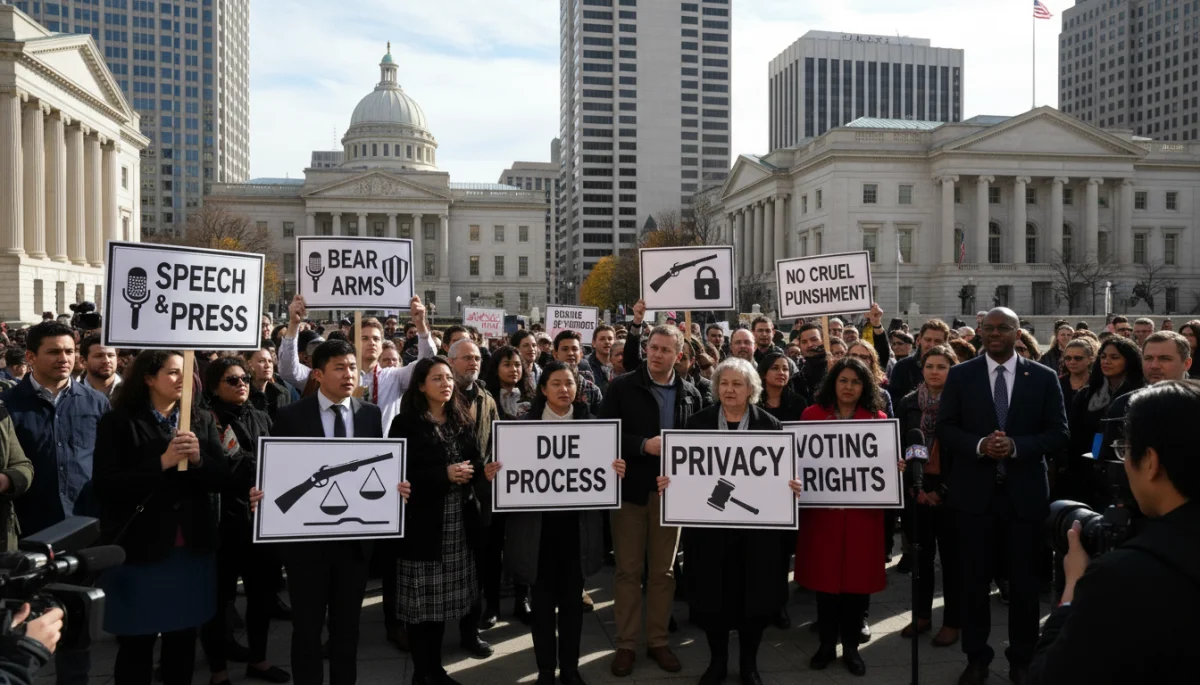
The Nineteenth Amendment’s legacy is profound, extending far beyond the ballot box. It propelled women into a more active and visible role in society, forever altering the cultural fabric of America and continuing to influence discussions about equality and representation well into the 21st century.
The Twenty-Sixth Amendment: Youth Enfranchisement and Generational Shifts
Ratified in 1971, the Twenty-Sixth Amendment lowered the voting age from 21 to 18. This change was a direct response to the Vietnam War era, driven by the argument that if 18-year-olds could be drafted to fight for their country, they should also have the right to vote for its leaders. Its cultural impact was significant, integrating younger voices into the political process and reflecting a broader shift in generational influence.
This amendment empowered a new demographic, challenging traditional notions of political maturity and civic responsibility. It recognized the agency of young adults, leading to increased youth activism and a greater focus on issues relevant to younger generations, thereby reshaping political discourse and cultural priorities.
Youth Engagement and Political Landscape
The immediate effect of the Twenty-Sixth Amendment was the enfranchisement of millions of young Americans. This expanded electorate brought new perspectives and priorities to the polls, influencing election outcomes and encouraging political parties to address issues relevant to youth, such as environmental protection, social justice, and education reform.
- Vietnam War Protests: The amendment was largely fueled by student activism, demonstrating the power of youth movements to effect constitutional change.
- Increased Voter Turnout: While initial turnout was high, it has fluctuated, but the potential for youth to influence elections remains a significant factor in political strategy.
- Cultural Impact on Campaigns: Politicians increasingly tailor messages and use platforms popular with younger voters, such as social media, to engage this demographic.
Generational Influence on American Culture
Beyond direct political participation, the Twenty-Sixth Amendment contributed to a broader cultural recognition of youth as a significant force. It validated the idea that young people have valuable insights and perspectives to contribute to national conversations, leading to shifts in media representation, consumer markets, and social trends.
This amendment highlighted the evolving relationship between generations, emphasizing that youth are not just recipients of culture but active creators and influencers. It underscored a growing recognition of intergenerational dialogue as crucial for addressing complex societal challenges, shaping a more dynamic and responsive American culture.
The Twenty-Sixth Amendment continues to shape American culture by ensuring that the voices of young adults are formally included in the democratic process. It serves as a reminder of the power of youth activism and the ongoing evolution of what it means to be a responsible and engaged citizen.
The Future of Constitutional Amendments and American Society (2026 and Beyond)
As we look towards 2026 and beyond, the discussion around constitutional amendments remains vibrant. The U.S. Constitution is a living document, and its capacity for amendment reflects the nation’s ongoing evolution. Current societal challenges, technological advancements, and shifting demographics continue to spark conversations about potential future amendments that could further reshape American culture.
Whether it’s debates about electoral reform, privacy in the digital age, or environmental rights, the process of amending the Constitution is a critical mechanism for adapting foundational laws to contemporary realities. These discussions are inherently cultural, reflecting collective values, aspirations, and anxieties.
Emerging Debates and Cultural Shifts
Several areas are frequently discussed in terms of potential constitutional changes. These discussions themselves are indicative of cultural shifts and societal priorities. For example, the increasing awareness of climate change has led to calls for constitutional amendments guaranteeing environmental rights, reflecting a growing cultural emphasis on sustainability and planetary stewardship.
- Digital Rights: The rapid advancement of technology brings questions about the right to privacy and freedom of expression in online spaces, potentially leading to amendments addressing digital citizenship.
- Electoral Process Reform: Ongoing debates about voting rights, campaign finance, and presidential election procedures could lead to amendments aimed at strengthening democratic participation and fairness.
- Social Justice Issues: Continued advocacy for equality and justice may prompt calls for amendments that further solidify protections for marginalized groups or address systemic inequalities.
The Enduring Power of Amendment
The very existence of the amendment process highlights the dynamic nature of American culture and its legal framework. It allows for the peaceful, democratic resolution of fundamental societal disagreements and provides a pathway for the nation to correct past injustices and adapt to future challenges. The cultural impact of this process is that it fosters a continuous dialogue about national identity and values.
As America progresses, the interplay between its constitutional framework and its evolving culture will undoubtedly continue. Each amendment, whether past or future, serves as a timestamp of cultural priorities and legal evolution, ensuring that the nation’s foundational document remains relevant and responsive to the needs of its people.
The prospect of future amendments underscores the idea that American culture is not static but constantly in flux. These potential changes reflect ongoing societal dialogues and aspirations, demonstrating the enduring power of the Constitution to adapt and guide the nation through its evolving journey.
| Key Amendment | Cultural Impact |
|---|---|
| First Amendment | Fostered diverse expression, religious pluralism, and continuous public discourse. |
| Fourteenth Amendment | Redefined citizenship, expanded civil rights, and advanced the pursuit of equality. |
| Nineteenth Amendment | Empowered women politically, significantly evolving gender roles and societal participation. |
| Twenty-Sixth Amendment | Integrated youth voices into politics, shifting generational influence and priorities. |
Frequently Asked Questions About Constitutional Amendments and Culture
Constitutional amendments often arise from widespread societal movements and changing cultural norms. They codify values that have gained significant public consensus, such as equality, freedom, or democratic participation. Thus, amendments serve as legal milestones marking shifts in the collective consciousness and priorities of American society over time.
The long-term impact of amendments on daily life is profound, though often subtle. They shape legal rights, define citizenship, influence public policy, and even affect social interactions. For example, the right to free speech (First Amendment) impacts everything from news consumption to personal expression, while voting rights (Nineteenth, Twenty-Sixth) directly influence political representation and governance.
While the legal force of an amendment remains, its cultural relevance can evolve. Interpretations change with societal context, and some amendments might address issues that become less prominent over time. However, many amendments, particularly those concerning fundamental rights, retain enduring cultural relevance as they continue to be reinterpreted and applied to contemporary challenges.
Amendments deeply influence American identity by defining who is considered a full citizen, what rights they possess, and the values the nation upholds. For instance, the Fourteenth Amendment’s definition of citizenship and equal protection clauses are central to the American ideal of a diverse yet unified nation. Each amendment adds a layer to the complex narrative of what it means to be American.
Citizens play a crucial role in constitutional change through advocacy, protest, and voting. Social movements, public discourse, and persistent demands for justice often lay the groundwork for proposed amendments. While the formal process involves Congress and state legislatures, public opinion and grassroots efforts are vital in generating the momentum necessary for amendments to be considered and ratified.
Conclusion
The U.S. Constitution, through its amendments, serves as a dynamic mirror reflecting and shaping American culture. From the fundamental freedoms enshrined in the First Amendment to the expanded definitions of citizenship and equality in the Fourteenth, the enfranchisement of women through the Nineteenth, and the integration of youth voices via the Twenty-Sixth, each constitutional shift has left an indelible mark on the nation’s social fabric. As America continues to evolve, the ongoing dialogue around potential future amendments underscores the enduring power of its foundational document to adapt, guide, and redefine the cultural landscape, ensuring that the principles of liberty and justice remain at the forefront of its collective identity.
