Federal Push for Renewable Energy: 30% Increase by 2030
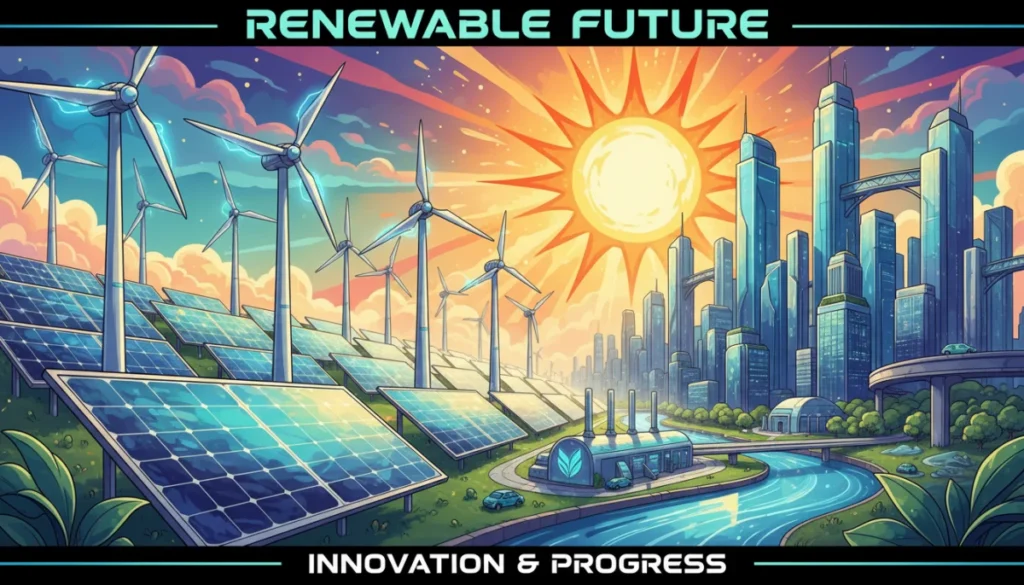
The U.S. federal government is actively pursuing a significant 30% increase in renewable energy targets by 2030, marking a pivotal shift in the nation’s energy landscape.
The latest developments in the federal renewable energy targets indicate a significant push towards a 30% increase by 2030, a move poised to reshape the entire energy sector. This ambitious goal reflects a growing national commitment to sustainability and energy independence.
Understanding the 30% Renewable Energy Target
The federal government’s recent announcement to increase renewable energy targets by 30% by 2030 represents a monumental step in the nation’s energy policy. This ambitious goal aims to accelerate the transition from fossil fuels to cleaner, more sustainable power sources across the United States. It’s a target that has been years in the making, driven by growing concerns over climate change, energy security, and economic opportunities within the green sector.
Achieving this 30% increase will require a multifaceted approach, encompassing policy changes, technological advancements, and significant investment. The target isn’t merely a numerical goal; it’s a strategic directive designed to foster innovation, create jobs, and ensure a resilient energy future for American citizens. The implications of this target extend far beyond environmental benefits, touching upon economic growth and geopolitical stability.
Policy frameworks driving the change
Several legislative and regulatory frameworks are being developed or strengthened to support this target. These policies aim to streamline permitting processes, offer financial incentives, and remove existing barriers to renewable energy deployment. Understanding these frameworks is crucial for anyone involved in or affected by the energy sector.
- Investment tax credits (ITCs): Extended and expanded, these credits make solar and wind projects more financially viable.
- Production tax credits (PTCs): Designed to incentivize the generation of electricity from renewable sources, particularly wind power.
- Streamlined permitting processes: Efforts to reduce bureaucratic hurdles for new renewable energy infrastructure projects.
- Research and development funding: Increased federal investment in cutting-edge renewable energy technologies.
The commitment to reaching a 30% increase in renewable energy by 2030 underscores a proactive approach to addressing both environmental challenges and economic opportunities. This target sets a clear trajectory for the nation’s energy evolution, emphasizing sustainability as a core principle of future development.
Key Technologies Driving the Renewable Energy Surge
The push for a 30% increase in renewable energy by 2030 is heavily reliant on the continuous advancement and widespread adoption of several key technologies. Solar photovoltaic (PV) and wind power remain at the forefront, but emerging technologies and improved energy storage solutions are also playing critical roles. These innovations are making renewable energy more efficient, reliable, and cost-effective than ever before, paving the way for broader integration into the national grid.
The federal government is investing significantly in research and development to further enhance these technologies, ensuring that the United States remains a leader in green energy innovation. This investment not only supports the 2030 target but also positions the nation for long-term energy independence and environmental stewardship.
Solar power’s expanding footprint
Solar energy continues its rapid expansion, driven by decreasing costs and increasing efficiency. Utility-scale solar farms are becoming more common, alongside widespread rooftop installations. Innovations in panel technology and manufacturing processes are making solar power accessible to a wider range of consumers and businesses.
New materials and designs are boosting solar panel efficiency, allowing more electricity generation from smaller footprints. Furthermore, advancements in solar-plus-storage solutions are addressing intermittency issues, making solar a more reliable power source.
Wind energy’s robust growth
Wind power, particularly offshore wind, is experiencing substantial growth. Larger, more efficient turbines are enabling greater energy capture, while improvements in grid infrastructure are facilitating the integration of wind-generated electricity. The vast potential of offshore wind resources along U.S. coastlines is a significant component of the 2030 target.
Technological breakthroughs in turbine design, such as taller towers and longer blades, are maximizing energy output. Additionally, federal and state initiatives are supporting the development of offshore wind farms, recognizing their immense capacity to contribute to the national renewable energy portfolio.
Beyond solar and wind, advancements in geothermal, hydroelectric, and bioenergy technologies are also contributing to the diversified renewable energy mix. Energy storage solutions, such as advanced batteries and pumped-hydro storage, are crucial for balancing the grid and ensuring a consistent supply of power from intermittent renewable sources. These combined technological efforts are essential for meeting the ambitious 2030 targets.
Economic Impact and Job Creation from Renewable Targets
The federal government’s commitment to a 30% increase in renewable energy by 2030 is not only an environmental initiative but also a significant economic driver. This ambitious target is projected to stimulate substantial investment, create a vast number of new jobs, and foster economic growth across various sectors. The transition to a greener economy is proving to be a powerful engine for development, offering opportunities in manufacturing, installation, operations, and research.
States and local communities are already seeing the benefits, with new projects bringing in tax revenue and revitalizing local economies. The long-term economic stability offered by domestically sourced renewable energy also reduces reliance on volatile global fossil fuel markets.
New job opportunities in green sectors
The expansion of renewable energy infrastructure demands a skilled workforce, leading to the creation of numerous job opportunities. These roles range from engineers and technicians to construction workers and project managers. Training programs and educational initiatives are being developed to equip the workforce with the necessary skills for these emerging industries.
- Solar installers: High demand for professionals to install and maintain solar panels.
- Wind turbine technicians: Specialized roles for the construction, maintenance, and repair of wind turbines.
- Battery manufacturing: Growth in factories producing advanced energy storage solutions.
- Grid modernization engineers: Experts needed to upgrade and manage the evolving electricity grid.
The economic benefits extend beyond direct job creation, fostering innovation and competition within the energy sector. Lower energy costs for consumers, increased energy independence, and the development of new exportable technologies are all positive outcomes of this federal push. The transition presents a unique opportunity for sustained economic prosperity.
Challenges and Solutions in Achieving the 2030 Goal
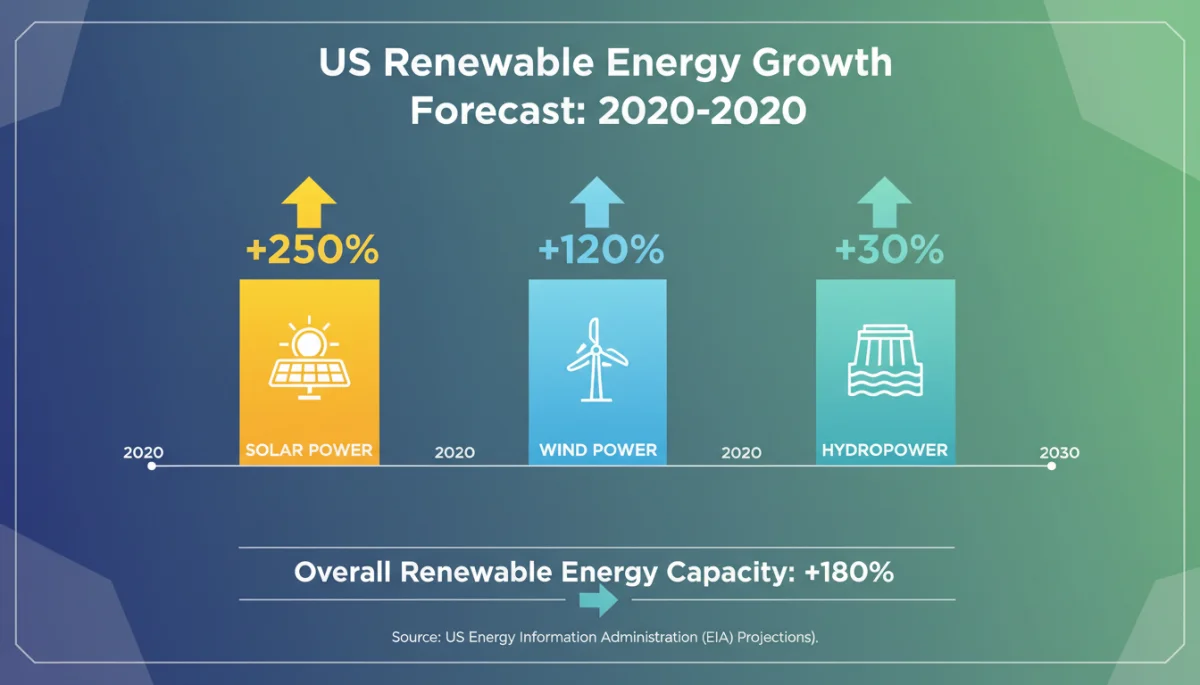
While the federal push for a 30% increase in renewable energy by 2030 is a commendable goal, it is not without its challenges. Integrating a higher percentage of intermittent renewable sources into the existing grid, securing adequate funding, and overcoming regulatory hurdles are significant obstacles. However, concerted efforts are underway to develop innovative solutions and strategies to address these issues effectively.
Collaboration between federal agencies, state governments, private industry, and research institutions is crucial for navigating these complexities. The commitment to this target is driving creative problem-solving and fostering a more resilient and adaptable energy infrastructure.
Grid modernization and integration
The current electricity grid was largely designed for centralized fossil fuel power plants, making the integration of distributed and intermittent renewable sources a complex task. Upgrading the grid to a ‘smart grid’ system, capable of managing variable inputs and outputs, is paramount.
Solutions involve investing in advanced sensors, digital controls, and smart meters to enhance grid reliability and efficiency. Furthermore, developing robust energy storage solutions, such as large-scale batteries and pumped-hydro storage, is essential for balancing supply and demand fluctuations inherent in renewable energy generation. Inter-regional transmission line upgrades are also vital for moving renewable power from resource-rich areas to demand centers.
Funding and regulatory frameworks
Securing the necessary capital for large-scale renewable energy projects and associated infrastructure is a continuous challenge. While federal incentives exist, private investment and innovative financing mechanisms are equally important. Additionally, navigating diverse state and local regulations can slow down project development.
To address this, the federal government is working to streamline permitting processes and provide clear regulatory guidance. Public-private partnerships are also being encouraged to pool resources and expertise, accelerating project deployment. Policy consistency and long-term commitment are key to attracting the significant investments required.
Other challenges include public acceptance for new infrastructure, ensuring a stable supply chain for critical materials, and addressing potential environmental impacts of large-scale renewable projects. By proactively identifying and addressing these challenges with comprehensive solutions, the path to the 2030 target becomes more achievable, reinforcing the nation’s commitment to a sustainable energy future.
Regional Impacts and State-Level Initiatives
The federal goal of a 30% increase in renewable energy by 2030 is not a monolithic directive; its implementation and impact vary significantly across different regions and states. While the federal government sets the overarching target and provides incentives, much of the practical execution and localized policy development falls to state and local authorities. This decentralized approach allows for tailored strategies that account for regional resource availability, existing infrastructure, and specific economic conditions.
Many states have already established their own ambitious renewable energy goals, often exceeding federal targets, demonstrating a strong commitment to green energy development. These state-level initiatives are critical to the overall success of the national objective.
Diverse renewable resource availability
Different regions of the United States are endowed with varying renewable energy resources. The sun-drenched Southwest is ideal for solar power, while the Great Plains offer vast potential for wind energy. Coastal states are exploring offshore wind, and mountainous regions leverage hydropower. This natural diversity necessitates regional specialization.
- California: Leading the nation in solar adoption and battery storage integration.
- Texas: A powerhouse in wind energy, with significant ongoing investments in new projects.
- Northeast states: Actively developing offshore wind farms to meet growing energy demands.
- Pacific Northwest: Historically reliant on hydropower, now exploring additional renewables.
State governments are implementing policies such as Renewable Portfolio Standards (RPS), tax incentives, and grant programs to accelerate renewable energy deployment within their borders. These programs often complement federal initiatives, creating a powerful synergy that drives progress towards the national 2030 target. Local communities also play a vital role, embracing community solar projects and advocating for sustainable development.
The regional variations in renewable energy development highlight the importance of flexible policy frameworks that can adapt to local contexts. By fostering innovation at all levels of government and within the private sector, the U.S. is building a robust and diversified renewable energy portfolio that will support the federal 2030 goal and beyond.
Global Context and U.S. Leadership in Renewables
The federal push for a 30% increase in renewable energy by 2030 places the United States firmly within a global movement towards decarbonization and sustainable energy. Many nations worldwide are setting similar or even more aggressive renewable energy targets, recognizing the urgent need to address climate change and transition away from fossil fuels. The U.S. commitment reinforces its role as a leader in climate action and technological innovation on the international stage.
This commitment also has significant implications for global energy markets, fostering international collaboration on research, development, and trade in green technologies. The U.S. experience in scaling up renewable energy can serve as a valuable model for other countries.
International collaboration and competition
The global race to develop and deploy renewable energy technologies is fostering both collaboration and healthy competition. The United States is engaging in international partnerships to share best practices, accelerate technological breakthroughs, and address common challenges, such as supply chain resilience and grid modernization.
Concurrently, competition among nations to lead in renewable energy innovation drives down costs and improves efficiency, benefiting the entire world. Countries are vying for market share in solar panels, wind turbines, electric vehicles, and battery storage, creating a dynamic global landscape.
The U.S. government’s renewed focus on renewable energy signals a strong commitment to meeting its international climate obligations, including those under the Paris Agreement. By demonstrating tangible progress towards its 2030 targets, the United States aims to inspire greater ambition from other major economies. This leadership is not just about environmental responsibility; it’s also about securing economic advantages in the burgeoning global green economy.
Ultimately, the federal renewable energy targets are a testament to a shared global vision for a sustainable future, positioning the U.S. as a key player in shaping the next generation of energy systems and fostering a cleaner, more prosperous world.
| Key Aspect | Brief Description |
|---|---|
| 2030 Target | Federal goal to increase renewable energy by 30% across the U.S. |
| Key Technologies | Solar, wind, and advanced energy storage are central to achieving the target. |
| Economic Impact | Significant job creation and investment expected in green sectors nationwide. |
| Challenges | Grid modernization and funding are primary hurdles, being addressed by policy. |
Frequently Asked Questions About Renewable Energy Targets
For consumers, this target means a gradual shift towards cleaner energy sources, potentially leading to more stable and eventually lower electricity costs as renewable technologies become even more efficient. It also implies improved air quality and a more resilient energy grid.
The target will likely lead to a decline in reliance on traditional fossil fuels, prompting shifts in investment and employment within those sectors. However, it also presents opportunities for energy companies to diversify into renewable energy and related services.
Individual states play a crucial role through their own renewable portfolio standards, tax incentives, and local permitting processes. Their specific policies and resource availability significantly contribute to the overall national progress towards the federal target.
Yes, the United States possesses abundant renewable energy resources, including vast solar and wind potential. The challenge lies in efficiently harnessing, transmitting, and storing this energy, which current federal and private investments are actively addressing.
The U.S. 2030 target aligns with, and in some aspects contributes to, global efforts to combat climate change. Many countries are setting similar or more aggressive goals, positioning the U.S. as a significant player in the international drive towards a sustainable energy future.
Conclusion
The federal government’s ambitious initiative to increase renewable energy targets by 30% by 2030 represents a transformative moment for the United States energy sector. This comprehensive push, driven by a combination of policy, technological innovation, and economic incentives, is set to reshape how the nation generates and consumes power. While challenges in grid modernization and funding remain, the concerted efforts across federal, state, and private sectors demonstrate a strong commitment to a sustainable and energy-independent future. The economic benefits, including job creation and technological leadership, underscore the multifaceted advantages of this transition, positioning the U.S. as a key player in the global green energy landscape.
