U.S. Trade Policy: Tariffs & Agreements Impacting Imports/Exports (Feb 2026)
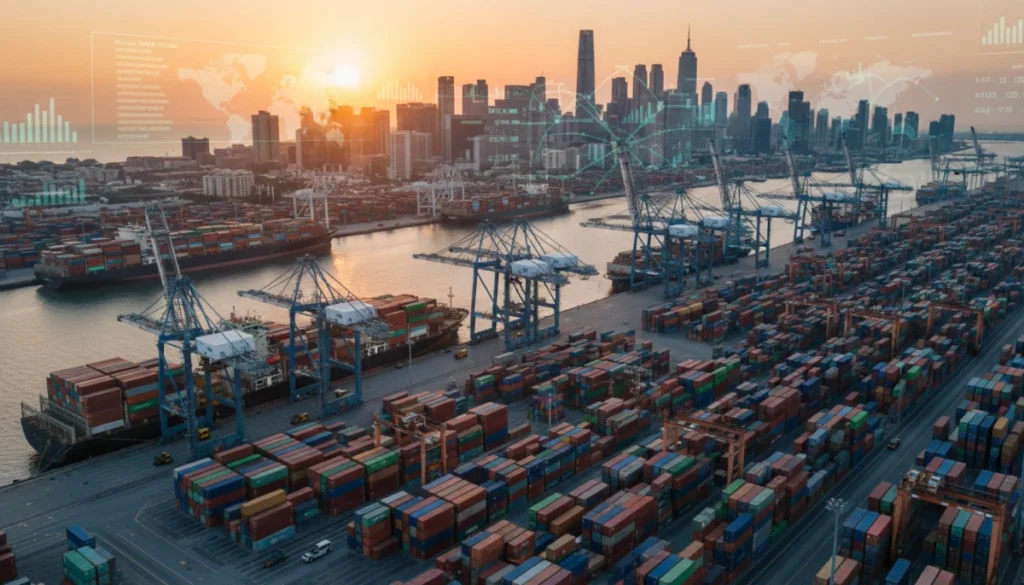
The U.S. Trade Policy as of February 2026 features new tariffs and agreements significantly reshaping American imports and exports across various sectors.
As of February 2026, the landscape of U.S. Trade Policy is experiencing a dynamic evolution, with significant adjustments to tariffs and the ratification of new agreements. These changes are poised to profoundly impact both American imports and exports, affecting industries from manufacturing to agriculture and demanding close attention from businesses and policymakers alike. Understanding these shifts is crucial for navigating the complexities of the global market.
The Shifting Landscape of U.S. Tariffs
The imposition and adjustment of tariffs have long been a cornerstone of U.S. trade policy, serving as tools to protect domestic industries, influence trade balances, and address perceived unfair trade practices. As of February 2026, several key tariff adjustments have been implemented or are pending, creating a ripple effect across various sectors of the economy. These changes are not arbitrary; they reflect ongoing geopolitical considerations, domestic economic priorities, and responses to international trade disputes.
One notable development involves targeted tariffs on specific industrial goods from certain Asian economies. These tariffs aim to bolster domestic production capacity in critical sectors, such as semiconductors and renewable energy components, where the U.S. seeks to reduce reliance on foreign supply chains. The rationale behind these moves often centers on national security and economic resilience, prompting debates about their effectiveness and potential for retaliatory measures from trading partners.
Key Tariff Adjustments and Their Rationale
- Semiconductor Components: Increased tariffs on imported semiconductor components from non-allied nations, designed to stimulate domestic manufacturing and research.
- Electric Vehicle Batteries: New duties on EV battery imports, encouraging U.S. and allied-nation production to secure future energy independence.
- Agricultural Subsidies: Countervailing duties on agricultural products from countries found to be unfairly subsidizing their exports, protecting American farmers.
Conversely, some tariffs have been eased or removed in strategic areas, particularly on goods from close allies. This selective reduction aims to strengthen economic partnerships and facilitate smoother trade flows with countries that align with U.S. strategic interests. Such calibrated adjustments reflect a nuanced approach to trade, balancing protectionist tendencies with the imperative of fostering international cooperation.
The overall impact of these tariff shifts is multifaceted. While some domestic industries may experience a competitive advantage, consumers could face higher prices for certain goods. Exporters might also encounter new barriers if retaliatory tariffs are enacted by affected trading partners. Businesses are therefore urged to re-evaluate their supply chains, sourcing strategies, and market access plans in light of these evolving trade dynamics.
New Trade Agreements: Expanding and Deepening Partnerships
Beyond tariffs, the U.S. has been actively engaged in negotiating and finalizing new trade agreements, aiming to expand market access for American goods and services while establishing higher standards for labor, environmental protection, and intellectual property. These agreements are crucial for defining the long-term trajectory of U.S. trade relations and fostering economic growth.
One significant development is the finalization of the Trans-Pacific Economic Partnership (TPEP), a modernized and expanded version of previous regional trade pacts. TPEP includes several key economies in the Asia-Pacific region and focuses on digital trade, services, and regulatory coherence, alongside traditional goods trade. This agreement is expected to open new avenues for U.S. exporters, particularly in technology and digital services, while also attracting foreign investment.
Highlights of the Trans-Pacific Economic Partnership (TPEP)
- Digital Trade Provisions: Strong rules for cross-border data flows and prohibitions on data localization requirements, benefiting U.S. tech companies.
- Services Liberalization: Enhanced market access for U.S. service providers in finance, telecommunications, and professional services.
- Environmental Standards: Robust commitments on environmental protection, including measures to combat illegal logging and fishing.
Additionally, bilateral trade talks with several European nations have progressed, leading to framework agreements aimed at reducing non-tariff barriers and harmonizing regulatory standards. These efforts seek to streamline trade between major economic blocs, fostering greater predictability and reducing compliance costs for businesses. The focus here is often on specific sectors, such as automotive and pharmaceuticals, where regulatory divergence has historically posed challenges.
The strategic importance of these new agreements cannot be overstated. They are designed to create a more favorable environment for U.S. businesses to compete globally, diversify supply chains away from high-risk areas, and reinforce geopolitical alliances. For companies, understanding the intricacies of these agreements is paramount to leveraging new opportunities and mitigating potential risks associated with altered trade rules.
Impact on U.S. Imports: Shifting Supply Chains and Costs
The combined effect of new tariffs and trade agreements is creating a significant impact on U.S. imports, compelling businesses to re-evaluate their global supply chain strategies. Companies are increasingly looking to diversify their sourcing, moving away from regions subject to higher tariffs and exploring new markets opened by favorable trade agreements. This shift is not just about cost; it’s also about resilience and reliability.
For consumers, these changes could manifest in varying ways. While some imports may become more expensive due to tariffs, potentially leading to higher retail prices, the expansion of trade agreements could also introduce new, competitively priced goods from different regions. The balance between these forces will ultimately determine the overall impact on consumer spending and inflation.

Challenges and Opportunities for Importers
- Increased Sourcing Costs: Tariffs on certain goods are raising import costs, pushing companies to absorb these costs or pass them to consumers.
- Supply Chain Diversification: Businesses are actively seeking alternative suppliers in countries with lower tariffs or favorable trade agreements to mitigate risks.
- Regulatory Compliance: New agreements often come with updated regulatory requirements, demanding careful attention from importers to ensure compliance.
The automotive industry, for example, is grappling with tariffs on steel and aluminum, which have increased production costs for vehicles manufactured in the U.S. Simultaneously, new trade pacts are facilitating the import of specific components from partner nations, creating a complex web of costs and benefits. Manufacturers are thus strategically adjusting their assembly lines and procurement processes to optimize for these new conditions.
Furthermore, the increased focus on ethical sourcing and environmental standards within new trade agreements is prompting importers to conduct more thorough due diligence on their foreign suppliers. This not only ensures compliance but also aligns with growing consumer demand for sustainably and responsibly produced goods. The landscape of U.S. imports is therefore becoming more complex, requiring agility and strategic foresight from businesses.
Impact on U.S. Exports: New Markets and Competitive Pressures
On the export side, the new trade policy environment presents both significant opportunities and renewed competitive pressures for American businesses. The expansion of market access through agreements like TPEP is a boon for exporters, particularly those in high-growth sectors such as technology, agriculture, and services. These agreements often reduce or eliminate tariffs on U.S. goods, making them more competitive in foreign markets.
American farmers, for instance, stand to benefit from reduced agricultural tariffs in several Asian markets, potentially leading to increased demand for U.S. crops and livestock. Similarly, technology companies are poised to capitalize on strong digital trade provisions that facilitate cross-border data flows and protect intellectual property, crucial elements for their global expansion.
Key Export Opportunities and Challenges
- Market Access Expansion: Lower tariffs and reduced non-tariff barriers in partner countries create new opportunities for U.S. goods and services.
- Increased Competitiveness: American products become more price-competitive in international markets where trade agreements are in effect.
- Geopolitical Headwinds: Trade disputes with non-allied nations can lead to retaliatory tariffs, hindering export growth in those markets.
However, U.S. exporters must also contend with the ongoing challenges posed by trade tensions with certain countries. Retaliatory tariffs from these nations can make American products more expensive and less attractive, forcing exporters to seek alternative markets or absorb additional costs. This underscores the importance of diversified export strategies and robust market intelligence.
The services sector, a significant contributor to the U.S. economy, is particularly well-positioned to benefit from the new trade agreements. Provisions related to professional services, financial services, and e-commerce are designed to streamline operations and reduce regulatory hurdles for American firms operating abroad. This focus on services reflects a growing recognition of their importance in modern global trade.
Sector-Specific Analysis: Agriculture, Manufacturing, and Tech
The impact of current U.S. trade policy is not uniform across all sectors; it varies significantly depending on the industry’s exposure to international markets, its reliance on global supply chains, and its competitive landscape. A closer look at agriculture, manufacturing, and technology reveals distinct challenges and opportunities.
In agriculture, the new trade agreements offer a mixed bag. While expanded access to certain markets is a clear benefit, particularly for commodities like soybeans and beef, farmers also face increased competition from imports in some categories. The policy aims to balance these factors, ensuring the long-term viability of American agriculture while securing diverse food sources for consumers.
Manufacturing’s Dual Challenge
The manufacturing sector is navigating a dual challenge: higher input costs due to tariffs on raw materials like steel and aluminum, alongside incentives to re-shore production. The government’s push to strengthen domestic supply chains is providing grants and tax breaks for manufacturers to invest in U.S.-based facilities, particularly in strategic industries such as defense and medical supplies. This policy aims to reduce vulnerabilities and enhance national security.
For the technology sector, the focus is on intellectual property protection and digital trade. New agreements include stronger provisions against cyber theft and forced technology transfers, safeguarding American innovation. This is crucial for maintaining the U.S. lead in areas like AI, biotechnology, and advanced computing, ensuring that American companies can compete fairly on a global stage without fear of their innovations being stolen.
Ultimately, each sector must develop tailored strategies to adapt to the evolving trade landscape. This involves not only understanding the specific tariffs and agreements relevant to their operations but also investing in innovation, improving efficiency, and exploring new market opportunities. The ability to pivot quickly and strategically will be a key determinant of success.
Geopolitical Implications and Future Outlook
The evolving U.S. Trade Policy is inextricably linked to broader geopolitical considerations. Trade is increasingly viewed not just as an economic activity but as a tool of foreign policy, used to strengthen alliances, counter rivals, and project influence. The current policy reflects a strategic shift towards strengthening economic ties with like-minded democracies while selectively decoupling from nations deemed to pose security or economic risks.
This strategic realignment has profound implications for global trade architecture. It could lead to the formation of distinct trading blocs, with the U.S. and its allies on one side, and other major economies on another. Such a fragmentation of global trade could introduce new complexities for multinational corporations and potentially reshape global supply chains for decades to come.
Potential Future Scenarios
- Increased Bilateralism: A continued trend towards bilateral agreements over multilateral ones, allowing for more tailored trade relationships.
- Reshoring Initiatives: Further government incentives and private sector investment in bringing critical manufacturing back to the U.S.
- Digital Trade Dominance: Continued emphasis on establishing global norms for digital trade, reflecting the growing importance of the digital economy.
Looking ahead, the future of U.S. trade policy will likely remain dynamic, responding to evolving global challenges and domestic priorities. Key factors to watch include the outcome of ongoing international negotiations, the stability of geopolitical relations, and domestic political shifts. Businesses must remain vigilant, continuously monitoring these developments to anticipate changes and adapt their strategies accordingly.
The emphasis on resilience, diversification, and strategic alliances suggests a long-term vision for U.S. trade that prioritizes national interests and economic security. While this approach may introduce some short-term volatility, the aim is to build a more robust and sustainable framework for American trade in the years to come.
| Key Policy Area | Brief Impact Summary |
|---|---|
| New Tariffs | Targeted duties on specific industrial goods to bolster domestic production; potential for higher consumer prices. |
| Trade Agreements | Expansion of market access for U.S. exports, particularly in technology and services, through pacts like TPEP. |
| U.S. Imports | Shifting supply chains, increased sourcing costs for some, and diversification efforts by businesses. |
| U.S. Exports | New market opportunities, enhanced competitiveness, but also geopolitical headwinds in certain regions. |
Frequently Asked Questions About U.S. Trade Policy in 2026
The primary goals include bolstering domestic industries, reducing reliance on foreign supply chains in critical sectors like semiconductors, expanding market access for U.S. exports through new agreements, and strengthening economic ties with strategic allies to enhance national security and economic resilience.
New tariffs can lead to higher prices for imported goods, potentially affecting consumer costs. For businesses, they may increase sourcing expenses, prompting supply chain diversification. Conversely, tariffs can also protect domestic industries and encourage local production, creating a complex economic environment.
TPEP is a modernized trade agreement with Asia-Pacific economies, focusing on digital trade, services, and regulatory coherence. Its significance lies in opening new markets for U.S. tech and service providers, establishing robust environmental standards, and strengthening regional economic alliances.
The agriculture, manufacturing, and technology sectors are significantly affected. Agriculture sees new market access but also import competition. Manufacturing faces higher input costs but also incentives for reshoring. Technology benefits from stronger intellectual property protection and digital trade rules.
The shifts signify a strategic realignment, using trade as a foreign policy tool to strengthen alliances and selectively decouple from economic rivals. This could lead to the formation of distinct trading blocs and reshape global supply chains, emphasizing resilience and national economic security.
Conclusion
The U.S. Trade Policy as of February 2026 marks a pivotal moment in global commerce, characterized by strategic tariff adjustments and the forging of new trade agreements. These changes are reshaping the dynamics of American imports and exports, influencing everything from consumer prices to the competitiveness of key industries. Businesses, policymakers, and consumers must remain informed and adaptable to navigate this evolving landscape, ensuring resilience and capitalizing on new opportunities in a complex global economy.
